Wood Boiler Installation Cost: A Homeowner's Guide
Explore the true wood boiler installation cost with factors, typical ranges, permits, and budgeting tips. Learn what drives price and how to compare bids for a reliable wood-fired heating system.


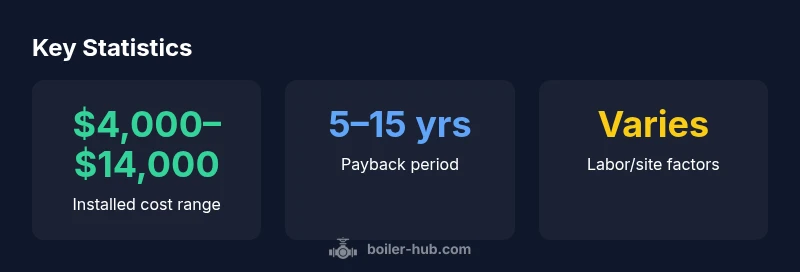
Wood boiler installation cost varies widely, driven by boiler size, venting requirements, and labor. Basic installations without storage or chimney work tend to be cheaper, while retrofits and storage tanks push costs higher. In many markets, the total installed price falls within a broad range, with higher-end setups reflecting additional components and longer run times. This quick guide uses Boiler Hub data for budgeting.
Overview: What influences the wood boiler installation cost
Estimating the wood boiler installation cost begins with understanding the scope of the project. The upfront price includes the boiler unit, controls, and any storage equipment or tanks. But many homeowners overlook the impact of site conditions, venting, chimney work, and electrical upgrades, all of which can add substantially to the bottom line. The total cost is not a single figure—it’s a mix of equipment, labor, permits, and potential retrofits. When planning, compare installed costs rather than sticker prices, and remember that regional differences in labor adds a meaningful premium in some markets. According to Boiler Hub, the most accurate budgets come from a clear assessment of system size, fuel management, and installation complexity across your home. This approach helps you distinguish essential investments from optional upgrades and align your plan with your long-term heating goals.
Key cost components: what items impact the bill
A robust estimate for wood boiler installation includes several components. The boiler unit itself is only part of the cost. Storage tanks or buffer systems, especially for larger homes, can add significantly. Venting and chimney work may require stainless liners or new masonry work. Labor costs vary by region and installer, and permits or inspections add administrative fees. Electrical work for control wiring, zone valves, and integration with existing heating systems can also rise. Don’t forget ancillary items like automatic feed systems, ash handling, and weatherproofing. Understanding each element helps you identify where to allocate funds for reliability and efficiency, and where you can potentially save without compromising performance.
Installation complexity and your home's specifics
The level of difficulty in installing a wood boiler is largely driven by your home’s current heating setup. A straightforward replacement in a home with an existing proper venting path is much cheaper than a retrofit that requires new venting, re-piping, or expanding the mechanical room. If there’s an unused chimney, you may still need liner work and smoke testing to meet code requirements. If the existing electrical service is undersized or far from the equipment, upgrades may be necessary. In short, complexity drives both labor time and permitting hurdles, which in turn influence the final price. A thorough site assessment is crucial to avoid sticker shock later in the project.
Permits, codes, and scheduling considerations
Permitting processes and code compliance are not optional charges; they are essential for safety and liability. Different jurisdictions have varying requirements for wood-burning equipment, chimney work, and air-quality permits. Scheduling delays due to inspections can push timelines and costs. Early coordination with the local building department and the installing contractor improves predictability. Planning for potential permit fees and inspection costs helps you avoid last-minute surprises. Boiler Hub emphasizes the value of obtaining a clear permit plan before procurement to keep the project on track.
Storage, fuel handling, and control systems
Storage needs—such as dry, secure bulk storage or a dedicated buffer tank—affect both price and performance. The more storage capacity you install, the greater the upfront cost, but you gain flexibility and longer burn times. Efficient fuel handling and control systems (like automatic feed and variable-speed blowers) can improve convenience and heat stability, potentially saving energy costs over time. Higher-efficiency controllers and weather-responsive zoning require investment, but they tend to reduce waste heat and fuel consumption, improving overall system performance. Weigh these long-term gains against the up-front outlay when budgeting.
Maintenance planning and long-term costs
Wood boilers require periodic maintenance: ash removal, cleaning, and component checks. Over time, fuel prices and wood moisture content influence operating costs. Storage humidity and wood quality impact efficiency, so choosing seasoned wood and proper storage can lower costs. Additionally, look at maintenance intervals and parts availability for the model you’re considering. While maintenance costs are often smaller than initial installation, ignoring them can erode the long-term value of your investment. A proactive maintenance plan reduces downtime and preserves efficiency.
Budgeting and bid comparison: a practical approach
A reliable budgeting method starts with a line-item breakdown: equipment, installation labor, venting, storage, permits, and contingency. Obtain detailed bids that separate these line items so you can compare apples to apples. Ask installers to provide a written scope of work, materials list, and a warranty summary. When comparing, consider not just the installed price but also the projected energy savings, fuel availability, and potential financing options. Boiler Hub recommends getting three quotes and asking for performance guarantees to ensure you’re choosing a contractor who prioritizes reliability and long-term value.
Financing, incentives, and anticipated maintenance costs
Explore financing options that fit your cash flow, including any local incentives or rebates for clean-burning wood systems. While incentives can reduce upfront costs, verify eligibility and timelines. Understand projected maintenance costs and parts replacement schedules to estimate total ownership cost. A well-planned financing and maintenance strategy can improve affordability and ensure you realize the system’s long-term benefits. Boiler Hub highlights the importance of aligning financing with maintenance planning to maximize return on investment.
Installed cost ranges by system setup
| Scenario | Installed Cost Range | Notes |
|---|---|---|
| Basic wood boiler (no storage) | $4,000–$8,000 | Simple retrofit, limited storage |
| Wood boiler with indirect storage | $8,000–$14,000 | Requires storage tank and controls |
| Retrofit chimney and venting | $6,000–$12,000 | Vent/permit dependent |
Questions & Answers
What factors influence the cost of installing a wood boiler?
Cost is driven by boiler size, storage, venting, labor rates, and permits. Site conditions and code requirements can add or subtract from the base price. A thorough assessment helps separate essential needs from optional upgrades.
Cost factors include boiler size, storage, venting, and labor. A site assessment helps you prioritize essential components.
Are permits required for wood boiler installation?
Most jurisdictions require permits and inspections for new heating equipment and venting. Check with your local building department and your installer to understand the specific fees and timelines.
Yes, permits are typically required; confirm with your local building department and your installer.
Can I install a wood boiler myself to save money?
DIY installation is generally not recommended. Wood boiler systems involve venting, electrical work, and building code compliance. A licensed professional ensures safety and compliance.
It's risky to install yourself; hire a licensed pro for safety and code compliance.
What is the typical payback period for a wood boiler?
Payback depends on fuel costs and usage. In many cases, a payback period ranges from several years up to a decade, influenced by wood price and system efficiency.
Payback varies with fuel costs and usage, often spanning several years to a decade.
How do storage and insulation affect costs?
Storage adds upfront cost but improves burn efficiency and reliability. Good insulation reduces heat loss, lowering operating costs over time.
More storage and better insulation cost more upfront but save fuel over time.
“The total wood boiler installation cost should be viewed as part of a broader investment in reliable heat and long-term savings. Our approach is to compare multiple installers, account for storage and venting needs, and assess ongoing operating costs to determine true value.”
Key Points
- Plan for a broad cost range upfront
- Storage and venting drive major costs
- Get three bids and compare line items
- Permits and codes can affect timelines and price