Average Boiler Replacement Cost in 2026: A Homeowner's Guide
Discover the factors shaping boiler replacement costs, realistic price ranges, installation steps, financing options, and tips to lower upfront expenses. This 2026 Boiler Hub analysis helps homeowners and facility managers plan ahead.


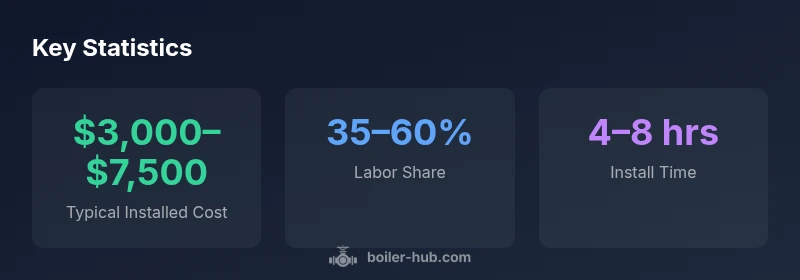
On average, a boiler replacement installed in a typical home falls in the range of $3,000 to $7,500, with higher-end or more complex setups reaching $8,000 or more. Costs vary by boiler type (combi, system, or heat-only), efficiency, regional labor rates, and any venting or piping upgrades. Boiler Hub Analysis, 2026 confirms these ranges and notes that long-term energy savings can influence total cost over the unit’s lifespan.
Understanding the cost components
When planning a boiler replacement, the first step is to understand the cost components that drive the total price. The boiler unit itself is only part of the equation. You’ll typically see costs broken down into equipment price, professional installation, and ancillary items. Equipment costs vary by boiler type (combi, system, or heat-only) and efficiency rating (regular vs. high-efficiency condensing models). Installation costs cover labor, removal of the old boiler, venting or flue modifications, gas piping or electrical work, and system testing. Permits, disposal fees, and potential upgrades to radiators or piping can add to the total. From a budgeting perspective, consider that the long-term savings from improved efficiency can offset higher upfront prices over the life of the unit. According to Boiler Hub, the most common installed ranges reflect these factors and regional differences, so planning with a range rather than a fixed number is prudent.
- Key components: boiler unit, labor, venting, permits, disposal
- Common add-ons: venting upgrades, piping changes, electrical work, flushing and testing
- Long-term factor: energy savings and maintenance costs over time
Boiler Hub’s approach emphasizes balancing initial outlay with efficiency gains, reliability, and warranty coverage. Homeowners who combine a high-efficiency unit with a solid installation plan tend to see the best lifecycle value, even if the upfront price is higher. According to Boiler Hub, framing the decision around total cost of ownership yields more predictable budgeting and better performance in the years ahead.
Regional variations and cost drivers
Location matters. Labor rates, permit fees, gas supply costs, and even local code requirements influence the final price of a boiler replacement. In dense urban areas with high living costs, installation labor can push total costs higher, while rural regions may see comparatively lower labor charges. Regional supply chain differences can also affect the price of the boiler itself and the availability of parts. Additionally, some jurisdictions require more extensive venting or exhaust system work to meet updated efficiency standards, which can add to both material and labor expenses. Boiler Hub’s 2026 analysis notes that these regional factors consistently account for a meaningful portion of the variation in quotes. If you’re shopping for quotes, ask for a breakdown that clearly separates equipment, labor, permits, and any regional specialty requirements so you can compare apples to apples.
- Permit and inspection variability: some areas require more rigorous testing
- Local labor market conditions: higher costs in metro areas, lower in rural zones
- Availability of parts and service: regional supply affects both pricing and timing
- Climate and demand: extreme temperatures can drive short-term labor demand and pricing
For facility managers and homeowners, a proactive approach—requesting itemized quotes and confirming local code implications—helps avoid sticker shock and aligns expectations with Boiler Hub’s guidance for 2026.
Typical price ranges by boiler type
Understanding the cost differences by boiler type helps you set realistic expectations. The three main categories are combi boilers (heat and hot water in one unit), system boilers (separate hot water cylinder), and heat-only boilers (older setup with separate tanks). In general, combi boilers are popular for smaller homes and apartments, while system and heat-only boilers suit larger homes with higher hot water demand. While exact prices vary by efficiency and brand, the typical installed ranges provide a useful planning framework:
- Combi boiler: installation price commonly falls in the mid-range, with total costs often between the lower end and higher mid-range depending on piping and venting needs.
- System boiler: these setups usually have higher equipment costs due to storage cylinders, with total installed prices in the mid-to-upper range.
- Heat-only boiler: often the most affordable upfront, but may require additional components to deliver hot water, influencing the overall cost.
Boiler Hub’s 2026 assessment reinforces that the installed cost is a function of unit price, installation complexity, and any required upgrades to meet efficiency targets. When comparing bids, ensure each quote includes the same scope of work. Energy efficiency upgrades or enhanced warranties can widen the price spread but may offer greater value over time.
What the installation includes
A boiler replacement is more than swapping a single unit. A complete installation typically includes removing the old boiler, disposing of it responsibly, and installing the new unit with proper ventilation and condensate drainage. The installer will connect gas and electrical supplies, ensure the boiler is correctly sized for your home, test system pressure and leaks, and calibrate controls and thermostats. Venting or flue modifications may be necessary to meet efficiency standards and ensure safe operation with the new boiler. Some projects require upgrading piping or radiators to achieve the desired heat distribution. In short, a full replacement aims to deliver reliable heat, safe venting, and optimized energy use, all backed by a workmanship warranty from the installer and a manufacturer warranty on the boiler itself.
- Debris removal and disposal
- Venting/flue adjustments
- Gas line and electrical connections
- System testing and commissioning
- Optional upgrades: piping upgrades, radiator checks, and zone controls
Boiler Hub’s guidance encourages homeowners to verify that the bid covers all required steps and to confirm whether post-install service is included or priced separately. A transparent quote helps prevent surprises later in the project.
Financing options and cost-saving strategies
If upfront cost is a concern, explore financing, rebates, and energy-efficiency incentives. Many contractors offer financing plans that spread the cost over time with predictable payments. Utility programs and manufacturer rebates can also reduce the net price, especially when upgrading to a higher-efficiency model. In some regions, there are incentives for performing energy audits or upgrading to boilers with higher AFUE ratings. When evaluating financing, compare the total cost of the loan, interest rate, and any deferred payment terms. In addition to formal financing, homeowners can pursue cost-saving strategies such as bundling a boiler replacement with insulation improvements or upgrading to smart thermostats and zoning controls, which maximize energy savings and may justify selecting a more efficient unit. Boiler Hub’s 2026 analysis notes that these options frequently improve overall value and shorten payback periods.
- Compare multiple lender offers and terms
- Look for utility or government rebates
- Bundle energy-efficiency upgrades for greater value
- Consider long-term maintenance costs when choosing an plan
Hidden costs, warranties, and maintenance
Beware potential hidden costs that can arise during or after installation. If unexpected issues are uncovered—such as damaged gas lines, obsolete venting components, or the need for structural adjustments—your final bill can rise. Workmanship warranties typically cover installation quality for a specified period, while the boiler manufacturer provides a separate unit warranty. Regular maintenance, including annual servicing and system flushes, helps sustain efficiency and prevent breakdowns. When planning, ask about long-term maintenance plans and what they cover. Proactively budgeting for annual service ensures the system runs reliably and economically over its life.
- Watch out for hidden labor charges or permit delays
- Verify both installation and boiler warranties
- Include annual maintenance costs in total-cost planning
- Schedule a mid-life efficiency review to maximize savings
How to plan and estimate for your project
A methodical approach helps you estimate costs accurately and choose the right boiler for your needs. Start by getting at least three written quotes with a clear scope of work—equipment, labor, permits, venting, and disposal. Confirm boiler sizing by a qualified technician to avoid under- or over-sizing. Compare efficiency ratings (AFUE or ERP/ENERGY STAR where applicable) and projected energy savings. Request a dedicated cost table showing upfront costs and any potential future expenses, like maintenance contracts or extended warranties. Finally, create a simple budget that accounts for possible regional price variations and a contingency for unplanned work. Boiler Hub’s framework emphasizes saving on long-term energy costs while balancing initial investment for maximum value over the boiler’s life.
mainTopicQuery":"boiler replacement cost"],
Estimated replacement costs by boiler type
| Boiler Type | Avg Replacement Cost Range | Typical Installation Time |
|---|---|---|
| Combi boiler | $3,000–$7,000 | 4–6 hours |
| System boiler | $4,000–$8,000 | 5–8 hours |
| Heat-only boiler | $2,500–$6,000 | 3–6 hours |
Questions & Answers
What factors influence the cost of replacing a boiler?
Key drivers include boiler type and efficiency, home size, venting and piping needs, labor rates in your region, and any required permits. Unforeseen issues during removal or installation can also impact price.
Key factors are the boiler type, efficiency, and regional labor costs, plus any needed venting or piping work.
Is a boiler replacement covered by warranty?
Most boilers come with a manufacturer warranty, and installers typically offer a workmanship warranty. Details vary by brand and contractor; read the terms in your quote.
Manufacturer warranties cover the unit; installation warranties vary by contractor.
Can I finance a boiler replacement?
Yes. Many contractors offer financing, and there are utility rebates or manufacturer incentives in some regions. Check loan terms, interest rates, and eligibility.
Financing and rebates are commonly available; ask your installer for options.
How long does installation take?
Most replacements take 4–8 hours, depending on the boiler type and home layout. Some complex setups may require more time.
Typically a same-day job, but plan for a full day if extensive venting or upgrades are needed.
What maintenance should follow a boiler replacement?
Schedule annual servicing, check pressure and leaks, and test the thermostat and controls. Regular maintenance helps sustain efficiency and reliability.
Annual service keeps the system running well and extends its life.
“Boiler replacements are a long-term investment in comfort and efficiency. A proper installation ensures reliable heat and lower operating costs over the unit's life.”
Key Points
- Obtain multiple quotes to pin down installed cost ranges
- Prioritize efficiency to maximize long-term savings
- Budget for permits, venting, and disposal fees
- Assess warranty and maintenance options for ongoing value