Replace Boiler Cost: Estimates, Factors & Savings Tips
Understand replace boiler cost: practical ranges, key factors, and saving strategies. Learn how fuel type, efficiency, labor, permits, and rebates shape installed prices and how to compare quotes effectively.


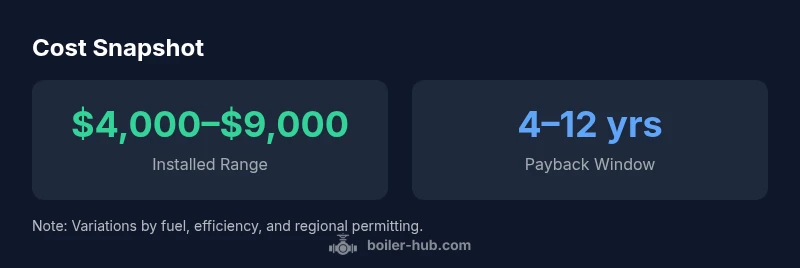
Typical installed costs for replacing a residential boiler range from about $4,000 to $9,000, depending on fuel type, boiler efficiency, and labor. High-efficiency condensing models and complex venting can push total toward $10,000–$12,000. This estimate assumes standard professional installation and does not include major structural changes. Regional differences may widen the gap.
Understanding the drivers of replace boiler cost
Cost of a boiler replacement is not a single price tag; it depends on several interacting factors. According to Boiler Hub, the main price drivers include the fuel type (gas, electric, oil), the boiler type (standard vs. condensing), efficiency, installation labor, venting requirements, and any necessary upgrades to the home's combustion air or gas line. The location of the boiler room and accessibility for the installer can affect the time and complexity of the job, which in turn affects price. In practice, you’ll see wide ranges because each home has a unique combination of boiler, piping, and venting. The Boiler Hub team emphasizes planning for both the system cost and the ancillary components, such as new thermostats, zoning, and expansion tanks. A typical homeowner should expect the upfront cost to reflect both equipment and professional labor, with regional variations adding another layer of price pressure.
Cost components in detail
Equipment cost is the largest portion of the replacement, but labor, removing and disposing the old boiler, and any necessary vent or gas-line upgrades add significantly to the total. Permits and inspections vary by municipality and can surprise some homeowners. Additional items like new thermostats, zoning controls, expansion tanks, and radiation-system modifications can further increase the bill. When you compare quotes, request a line-by-line breakdown and verify whether disposal fees are included. Boiler Hub’s guidance for 2026 emphasizes that a transparent estimate helps homeowners avoid sticker shock and plan for contingencies.
Comparing boiler types and fuels
Gas-fired condensing boilers deliver higher efficiency and lower operating costs than older, non-condensing models, but they often require upgraded venting and a larger initial investment. Electric boilers may cost less upfront and are easier to install where gas is unavailable, but electrical capacity and energy costs can swing your long-term bills. Oil boilers are common in some regions but face higher fuel costs and maintenance. The choice affects not only the upfront price but also ongoing energy expenses, service availability, and future upgrade paths. Use quotes that clearly distinguish equipment cost from installation and any required extras so you can compare apples to apples.
Regional differences, permits, and disposal
Costs vary widely by region due to labor rates, permit fees, and contractor availability. Urban areas tend to show higher labor costs and more stringent permits, while rural zones might have cheaper labor but longer travel times. If your municipality requires pressure-testing or gas-line work, you may see extra charges for inspections and safety confirmations. Old boilers often require special handling or disposal, which adds a disposal fee. Understanding local regulations helps you forecast the true replacement cost beyond the sticker price.
Hidden costs and contingency budgeting
Even a well-planned replacement can surprise homeowners with hidden costs. If your current boiler shares venting with other appliances, or if the chimney needs lining, you’ll face additional work. Unexpected complications in piping, damaged supports, or inaccessible shut-offs can add hours to labor. A contingency buffer of 5–15% is common to weather price swings in materials or labor. Planning for these contingencies ensures your project finishes on time and within the budget.
Financing, rebates, and selecting a contractor
Financing options from installers or local lenders can spread the cost over time and improve cash flow. Look for utility or manufacturer rebates tied to energy-efficient boilers, and check if your region offers tax incentives. When selecting a contractor, verify licenses, ask for detailed bids, check references, and confirm that the team has experience with your boiler type and home layout. A high upfront cost can be offset by lower operating costs and reliable service over the system’s life.
How to estimate your own replacement cost
Start by identifying the heat source and desired efficiency, then obtain at least three written quotes with itemized line items. Compare equipment types (condensing vs non-condensing), fuel implications, and venting requirements. Factor in permit fees and disposal costs, and don’t overlook labor for system flushes or retrofits. Use the quotes to calculate a rough total and add a contingency buffer. This approach provides a defensible budget before committing to a contractor.
Maximizing value through efficiency and maintenance
A replacement offers an opportunity to upgrade to a modern, high-efficiency boiler paired with smart thermostats and zoning that tailor heat delivery to rooms. Regular maintenance, annual servicing, and timely repairs can preserve efficiency and extend the life of the unit, reducing long-term costs. The Boiler Hub team notes that investing in correct sizing, installation quality, and annual inspections yields reliable comfort and meaningful energy savings over the life of the system.
Comparison of boiler replacement cost scenarios
| Scenario | Typical Installed Cost Range | Key Assumptions |
|---|---|---|
| Gas-fired non-condensing boiler | $4,000–$7,500 | Standard efficiency equipment; direct venting; average labor |
| Gas-fired condensing boiler | $6,000–$9,500 | High efficiency; upgraded venting; moderate labor |
| Electric boiler | $3,000–$8,000 | No gas line; electrical capacity adequate; basic venting |
| Oil-fired boiler | $4,500–$9,000 | Oil price fluctuations; additional venting and piping |
| Boiler replacement with complex retrofits | $7,000–$12,000 | Aging homes; long runs; retrofit work; disposal |
Questions & Answers
What is the typical cost to replace a boiler?
A typical replacement runs roughly $4,000 to $9,000 for installation, depending on fuel, efficiency, and labor. Complexity, venting, and disposal can push costs higher. See our quick guide for a full breakdown.
A typical boiler replacement is usually between four and nine thousand dollars, depending on fuel type, efficiency, and installation details.
What factors influence boiler replacement cost?
Key factors include fuel type, boiler efficiency (condensing vs non-condensing), boiler size, venting and gas-line requirements, labor rates, and disposal or permit fees. Regional variations can also affect price.
Costs depend on fuel, efficiency, size, venting, labor rates, and permits. Regional differences matter too.
Are rebates or financing options available?
Yes. Look for utility or manufacturer rebates tied to energy efficiency and check local financing options from installers or lenders. Rebates and incentives can substantially reduce upfront cost.
There are rebates and financing options that can lower upfront costs.
How long does installation take?
Most boiler replacements take 1–2 days, though complex retrofits in older homes can extend to 3 days. Scheduling and utility inspections can add additional time.
Installations usually take 1 to 2 days, sometimes a bit longer if extra work is needed.
Should I replace with a combi boiler?
A combi boiler saves space and can be efficient for smaller homes, but it may not meet high hot-water demands in larger homes. Assess your peak needs with a pro.
A combi boiler can be great for small homes but may fall short on hot water in larger homes.
How do I compare contractors for boiler replacement?
Get at least three written bids with itemized costs, check licenses and insurance, read reviews, and verify warranty terms. Ensure the contractor has experience with your boiler type.
Get several quotes, check licenses and warranties, and look at past installations.
“A well-chosen, high-efficiency boiler can reduce annual energy costs and improve comfort, especially when paired with proper sizing and maintenance.”
Key Points
- Know boiler replacement cost ranges before requesting quotes
- Demand a line-item estimate covering equipment, labor, venting, and disposal
- Compare high-efficiency vs standard models and factor long-term energy use
- Budget for permits, disposal, and potential retrofits
- Explore rebates and financing to reduce upfront costs