Gas Boiler Replacement Cost: What to Expect in 2026
Learn realistic gas boiler replacement cost ranges, what drives the price, and how to optimize value with Boiler Hub guidance—estimate, avoid hidden fees, and compare installation options.


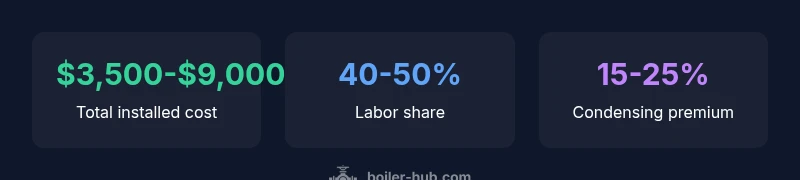
Gas boiler replacement costs typically range from $3,500 to $9,000, depending on boiler type, labor, and extra work like venting or system upgrades. Most homeowners spend $5,000 to $7,500, with higher-end condensing models reaching the upper end. Prices vary by location, permit requirements, and whether existing infrastructure is compatible, in many markets.
What drives gas boiler replacement cost
Gas boiler replacement cost varies widely by boiler type, efficiency, installation complexity, and local labor markets. According to Boiler Hub, the biggest drivers are the boiler’s efficiency rating, the need for venting or flue upgrades, and the amount of labor required to remove an old unit and install a new one. The condition of existing piping, the ease of access to the boiler room, and permit requirements also shape the price tag. In practice, simple swaps in a single-family home with existing venting are far cheaper than full system overhauls that require rewiring, new radiators, or upgrades to the gas line. The term gas boiler replacement cost captures both equipment expense and the installer’s bill for time and expertise, and it’s important to separate hardware costs from labor to avoid sticker shock. Regional demand, contractor experience, and seasonal scheduling can push or pull final numbers, especially when emergency work or additional diagnostics are involved. When customers compare quotes, asking for a breakdown by equipment and labor helps reveal hidden markups and ensure you’re comparing apples to apples.
How boiler type affects the price
Boilers come in several configurations: combi (combined heat and hot water), conventional (system with indirect water heater or storage), and system boilers. Condensing gas boilers, while more efficient and environmentally friendly, typically cost 15-25% more upfront than non-condensing models. Size, fuel type compatibility, and warranty length all influence price; a larger home or one requiring a larger heat output will push equipment costs higher, while a smaller dwelling may get by with a compact unit. Labor for installing a larger unit, mounting on a new pad, or upgrading venting and condensate drainage can add to the total. Always consider long-term energy savings and potential rebates when evaluating upfront cost.
Additional cost factors and hidden fees
Beyond the boiler unit itself, many costs appear in the fine print. Regional labor rates can swing the install bill by several hundred dollars. Hidden fees may include venting upgrades, flue replacement, gas line checks or upgrades, electrical work, and expansion tanks. Permit fees and inspections vary by municipality and can add hundreds of dollars to the project. If old piping or radiators must be removed, this adds labor time and disposal costs. Don’t forget disposal of the old unit, refrigerant or coolant recovery if applicable, and potential fixture upgrades to ensure safe and compliant operation.
Getting the most value: efficiency and rebates
A replacement that prioritizes efficiency often yields meaningful long-term savings, offsetting higher up-front costs. Look for high-efficiency ratings (seasonal efficiency improvements) and compatible weather/controls to maximize energy savings. Check for local and federal rebates, financing options, and utility incentives that can reduce your net cost. A well-planned installation with proper venting, correct boiler sizing, and a comprehensive warranty tends to reduce future maintenance costs. The Boiler Hub team also recommends requesting a detailed breakdown of parts, labor, and permit fees to enable apples-to-apples comparisons and uncover optional upgrades that could lower overall costs over time.
Timing and planning: repair vs replace and timing considerations
Deciding whether to repair or replace hinges on boiler age, reliability, and total projected maintenance costs. If your current unit is older than 12-15 years or requires frequent repairs, replacement often makes more sense than ongoing fixes. Planning ahead for peak seasons can lower labor costs, as contractors may offer lower rates in off-peak months. A pre-season assessment from a qualified technician can provide a clear cost-benefit picture, including the expected energy savings from a new high-efficiency model.
Cost breakdown for gas boiler replacement
| Aspect | Estimated cost range | Notes |
|---|---|---|
| Full system replacement | $3,500-$9,000 | Typical range across residential installs |
| Labor and installation | $1,000-$2,500 | Removal, setup, testing included |
| Permits and inspections | $100-$300 | Depends on local requirements |
Questions & Answers
What components are included in the replacement cost?
Most quotes break down equipment, labor, permits, and disposal. Some quotes also bundle warranties or accessories. Always ask for a line-item breakdown to verify what’s included and avoid hidden charges.
Most costs include equipment, labor, permits, and disposal; request a line-item breakdown to verify inclusions and avoid hidden charges.
Does the price include removal of the old boiler?
Yes, most installations cover removal of the old unit, but some quotes list it as an extra. Confirm with your contractor whether haul-away is included and if there are disposal fees.
Removal is usually included, but confirm with the contractor to avoid surprises.
Are permits required for gas boiler replacement?
Most jurisdictions require some form of permit or inspection for gas boiler replacement. Your installer will typically handle applications, but costs may vary by locality.
Permits are often required; your installer usually handles them, but costs vary by location.
How long does installation typically take?
A standard installation usually takes 1-2 days, depending on the complexity of venting, existing gas line, and whether electrical work is needed. More extensive overhauls can extend this timeframe.
Most installs take 1-2 days, longer if venting or electrical work is needed.
Can I finance a gas boiler replacement?
Many contractors offer financing or suggest rebates to spread out the upfront cost. Check with your installer about plans and any required credit checks.
Financing and rebates are commonly available; ask your installer for options.
Will upgrading improve my energy bills?
Upgrading to a high-efficiency gas boiler typically lowers annual energy costs, especially with proper sizing and good controls. Expect a gradual payback through reduced consumption.
Yes, a new efficient boiler usually lowers energy bills over time, especially with proper controls.
“A well-planned gas boiler replacement balances upfront cost with long-term energy savings; poor venting or mismatched sizing can double operating costs.”
Key Points
- Compare equipment and labor separately to avoid sticker shock
- Expect higher upfront costs for condensing/high-efficiency models
- Labor, venting, and permits are major price drivers
- Check for rebates and financing to improve value
- Plan with a professional assessment to avoid oversizing