New Boiler Installation Near Me: A Complete How-To Guide
Learn how to plan, select, and install a new boiler near you with expert guidance from Boiler Hub. Step-by-step, safety-first, with tips on sizing, permits, and maintenance.


Plan, size, and hire a licensed local installer for a new boiler installation near me. This guide outlines essential steps, safety checks, and financing considerations to start your project with confidence. Expect a home survey, boiler sizing, permit checks, and a thorough commissioning by a qualified professional. Boiler Hub provides planning tips and trusted resources to keep your project on track.
Planning Your New Boiler Installation Near Me
Planning a new boiler installation near you begins with understanding your home’s heating needs and your goals for comfort, efficiency, and cost. According to Boiler Hub, a well-planned project reduces disruption and ensures you select the right boiler and warranty. Start by surveying your current system: what works, what doesn’t, and whether your home has hot-water storage, radiators, or underfloor heating. Note the fuel type available (gas, oil, or electricity) and any local permit requirements. You'll also want to consider your budget, potential energy savings from high-efficiency models, and whether you plan to upgrade controls (smart thermostats, zoning). In this stage, gather three practical data points: the boiler location, access for installation, and the proximity to vents or chimneys. This early preparation saves time during the installation window and helps the installer provide an accurate quote. Boiler Hub's team emphasizes thorough planning as the foundation for a successful project.
Assessing Your Home Heating Needs
Next, quantify how much warmth your home requires and how it’s distributed. Take stock of the number of radiators, rooms that are hard to heat, and whether you have supplemental heat sources. Consider occupancy patterns, hot water demand, and whether you want zones controlled by thermostats. A correctly sized boiler improves comfort and efficiency and minimizes cycling, which can reduce wear. Use a simple room-by-room approach to estimate heat needs and discuss results with your chosen installer. Boiler Hub analysis suggests that aligning your system with actual demand yields the best long-term savings and reliability.
Types of Boilers and Sizing
There are several boiler families to choose from: combi boilers that supply hot water on demand, system boilers that work with a separate hot water cylinder, and conventional/regular boilers paired with a storage tank. Efficiency ratings (and how you’ll use heat) influence your choice. Sizing should reflect peak winter demand, not just average needs. An undersized unit runs longer and wastes energy, while an oversized boiler can cost more upfront and heat spaces unevenly. Your installer will perform a heat-loss calculation and check radiator output to arrive at the right model and output range. Ask about warranty terms and compatibility with modern controls, including smart thermostats and weather-compensation features.
Finding a Reputable Installer Near You
Choosing a local, licensed installer is critical to a successful installation. Look for gas-safe or relevant regional certifications, liability insurance, and proof of prior boiler work. Read reviews from neighbors or organizations, request a written quote, and ensure the proposal includes the removal of the old boiler, proper venting, and commissioning. A reputable pro will perform a site survey, confirm fuel supply readiness, and outline any needed upgrades to the flue, chimney, or condensate drainage. Boiler Hub recommendations emphasize transparent communication, pre-project inspection, and full post-installation testing.
The Installation Process: What to Expect
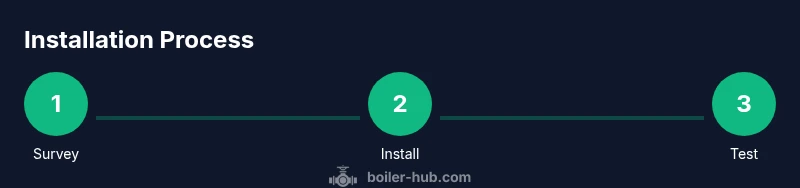
A typical installation follows a clear sequence: a pre-install survey confirms space and mounting, a temporary shutdown of utilities is arranged, removal of the existing boiler occurs, and the new unit is mounted and connected to gas, water, and electrical systems. The condense drain and flue are checked for proper venting, and the system is filled, purged, and bled to remove air. The installer performs safety checks, tests ignition, gas pressure, and thermostat integration, and demonstrates basic operation to the homeowner. Commissioning and documentation complete the handover, along with any needed safety warnings and maintenance scheduling.
Safety, Codes, and Compliance You Should Know
Boiler work involves gas and electrical systems, so safety is non-negotiable. Ensure the installer follows local codes and has current licenses. Installation should include a carbon monoxide detector near the boiler, proper ventilation, and an established maintenance plan. Keep children and pets away during work, and never bypass safety devices. A qualified professional will provide a commissioning certificate and ensure that the system complies with current regulations. Boiler Hub’s guidance highlights the importance of proper venting, sealing, and safety clearances to prevent leaks and hazards.
Costs, Financing, and Warranties
Costs for a new boiler installation vary based on boiler type, home size, existing infrastructure, and whether any upgrades are required (venting, flue, or radiator work). Rather than fixed prices, expect a range influenced by labor and materials. Ask for a detailed quote that itemizes the boiler, installation, components, and any additional work. Look for warranty coverage on the boiler itself and the workmanship of the installation. Some regions offer financing options or energy-efficiency incentives; your installer can explain what’s available and how to apply.
Maintenance and Long-Term Care
A new boiler performs best with regular maintenance. Schedule an annual service to clean components, test safety devices, and verify flame quality and efficiency. Keep an eye on odd noises, leaks, or reduced hot-water performance, and contact your installer if these occur. A proactive maintenance plan helps extend the life of your boiler, maintains efficiency, and reduces the risk of unexpected breakdowns. As part of ongoing care, ensure any control software or smart thermostat firmware is kept up to date.
Brand Perspective: Boiler Hub’s Guidance on Quality and Assurance
From a brand perspective, Boiler Hub emphasizes that a well-executed installation hinges on accurate sizing, high-quality components, and a certified installer. Boiler Hub Analysis, 2026 shows that best-practice sizing and professional commissioning improve long-term efficiency and reliability. The Boiler Hub team recommends requesting a comprehensive survey, written quotes, and a formal commissioning checklist. Partner with an installer who communicates clearly, provides transparent timelines, and offers solid aftercare. Following these practices will help you achieve dependable heat, lower operating costs, and peace of mind for years to come.
Tools & Materials
- Measuring tape (at least 5 meters)(For room-by-room heat calculations and layout)
- Safety glasses(During all disassembly and mounting tasks)
- Gloves (work/hard-wearing)(Protection when handling equipment)
- Socket wrench set(For mounting brackets and fittings)
- Adjustable wrench(Gas and water connections)
- Pipe cutter or saw(Only if minor pipe alterations are needed)
- Pipe wrench set(Optional for stubborn fittings)
- Flashlight/headlamp(For dim spaces and basements)
- Gas leak detector(Pre- and post-install checks)
- Voltage tester(Electrical safety checks)
- Tree of permits/inspection paperwork(Keep handy; some locales require inspection)
- Carbon monoxide detector(Install near boiler and sleeping areas)
Steps
Estimated time: Estimated total time: several days
- 1
Schedule a site survey
Arrange a survey with a licensed installer to assess space, existing connections, and fuel availability. The survey confirms what boiler type fits, where it will be located, and any needed upgrades.
Tip: Ask for a written plan and quote after the survey; avoid verbal-only agreements. - 2
Obtain required permits
Check local codes; some regions require a permit or inspection before installing a boiler. The installer can file these on your behalf and coordinate with inspectors.
Tip: Document permit numbers and keep copies of any approvals handy for future maintenance. - 3
Shut down utilities safely
Before work begins, ensure gas and electrical supplies to the existing boiler are shut off by the installer or a licensed professional. This minimizes risk during removal.
Tip: Do not attempt ignition or testing of old boiler during removal. - 4
Prepare installation space
Clear the boiler room or cabinet, ensuring adequate clearance for servicing, venting, and condensate drainage. Confirm venting routes to the outside and access for maintenance.
Tip: Move combustibles away from the work area and protect flooring during installation. - 5
Remove old boiler and make connections
A qualified technician disconnects existing gas, water, and electrical lines, then safely removes the old unit. They’ll prepare new mounting brackets and ensure proper vent alignment.
Tip: Ask about the condition of the flue and whether upgrades are needed for the new boiler. - 6
Install and connect the new boiler
Mount the new boiler, connect fuel, water, venting, condensate drain, and electrical supply. The installer then validates clearances and ensures seals are tight.
Tip: Ensure the control wiring is compatible with your smart thermostat and zoning plan. - 7
Commission and test
The technician fills, purges, and leaks-test the system, checks ignition and gas pressure, and verifies safety devices function correctly. They’ll demonstrate basic operation and set basic controls.
Tip: Request a live demonstration of boiler controls, reset routines, and safety features. - 8
Handover and schedule maintenance
Receive commissioning paperwork, warranty documents, and maintenance recommendations. Schedule the first annual service to keep efficiency and safety high.
Tip: Keep maintenance reminders and contact information in a visible place near the boiler.
Questions & Answers
Do I need a permit for installing a boiler near me?
In many areas, a permit or inspection is required for boiler work. Your installer can confirm local rules and file the necessary paperwork. This helps ensure the system is safe and up to code.
Yes, permits are often required. Your installer will handle the paperwork and ensure compliance.
How long does boiler installation take?
Installations typically take a few days, depending on space and any required upgrades to venting, gas lines, or controls. A pre-install survey gives a clearer timetable.
Most installs span several days, with a precise schedule provided after the site survey.
Can I install a boiler myself?
Boiler work involves gas and electrical systems and is not recommended for DIY unless you are a licensed professional. Improper installation can be dangerous and violate codes.
No, DIY boiler installation is not advised due to safety and code requirements.
What should I ask when getting quotes?
Ask for a written scope of work, a detailed parts list, commissioning procedures, warranty terms, and post-install service options. Ensure the quote includes any required upgrades and permit fees.
Request a written quote with scope, parts, commissioning, and warranties.
What maintenance is needed after installation?
Schedule an annual service to inspect burners, heat exchangers, and safety devices. Regular maintenance keeps efficiency high and reduces the risk of unexpected breakdowns.
Annual service is recommended to keep the boiler efficient and safe.
What’s the difference between combi and system boilers?
Combi boilers heat water on demand and are ideal for small to medium homes. System boilers store hot water in a cylinder and suit larger homes with multiple bathrooms. Your installer can match needs to space and usage.
Combi heats on demand; system stores hot water. A pro can pick the best fit.
Watch Video
Key Points
- Plan with a licensed professional to match boiler size to your home.
- Verify permits and safety compliance before work begins.
- Expect a thorough commissioning and clear post-install guidance.
- Schedule annual maintenance to preserve efficiency and safety.