Installing a Boiler: A Homeowner's Step-by-Step Guide
A comprehensive how-to on installing a boiler, covering sizing, permits, venting, gas safety, commissioning, and maintenance for homeowners and facility managers.


According to Boiler Hub, installing a boiler involves sizing, permits, venting, and safe commissioning. This quick guide highlights code compliance and professional help where needed, helping homeowners and facility managers plan a compliant, efficient boiler installation. You’ll later find a detailed, step-by-step approach with safety checks and a complete tools list.
Understanding the installation scope and purpose
Before you lift a wrench, define whether you are replacing an old boiler or installing a new system. A new install may require different clearances, venting, and a flue than a straightforward replacement, and it can affect fuel options, standby losses, and hot-water capacity. Confirm the scope with your local building authority to determine permits, inspections, and commissioning requirements. According to Boiler Hub, early planning reduces mid-project changes and aligns the work with energy codes. Document the house’s heating load, existing piping, current boiler location, and available space for the boiler and any expansion components such as a buffer tank or radiant-heat loop. Decide whether a combi boiler, a system boiler, or a heat-only unit best fits your hot water needs and peak heating demand, then compare the pros and cons of each option—for example, faster hot water from combi models versus higher flow rates from system boilers. Consider future upgrades such as radiant floor heating, underfloor systems, or a solar-auxiliary setup; ensure the chosen model can accommodate these additions. Review the boiler manufacturer’s installation manual for clearances and required air for combustion, noting any restrictions on wall cavities or combustible materials. This planning will reduce surprises during the installation and set a realistic schedule for trades and inspections.
Pre-installation planning and permits
Planning for a boiler installation starts with code research, permits, and a realistic schedule. Check with your municipal building department about gas-work permits, venting approvals, and any required commissioning tests. If you live in a regulated area, you may need an inspection by the gas utility or an authorized authority after the boiler is installed. Gather the utility accounts and schematic drawings of your home’s heating distribution, including zones, radiator layout, and hot water storage. A well-prepared plan reduces changes during installation and helps the installer anticipate pipe routing, vent runs, and service clearances. At this stage, choose the installation site with adequate clearance from walls, cabinets, and combustibles, and ensure access for future maintenance tasks. Finally, verify that your insurance policy and warranty terms recognize the upgrade and will remain valid after installation.
Safety, codes, and certifications you must follow
Safety and compliance are non-negotiable in boiler installation. Gas-fired boilers require proper ventilation, combustion air, and a sealed combustion chamber, with venting designed to remove combustion byproducts safely. Install CO detectors near living spaces and ensure the flue system meets height and termination requirements. Follow local and national codes, such as safe installation practices and clearances, to avoid nuisance or dangerous leaks. If your home has a tight envelope, consider mechanical ventilation to provide adequate air for combustion. Always use a licensed gas technician for gas connections, pressure testing, leak detection, and final commissioning. Retain documentation of permits, inspection sign-offs, and boiler warranty information, and share it with your insurer as needed.
Tools, equipment, and required trades
Prepare a complete set of tools and materials before the work begins. You’ll need both basic hand tools and specialized items to assemble, connect, and commission the boiler safely. Essential items include the boiler unit itself sized for your home, an appropriate vent/flue kit, gas supply fittings, shut-off valves, expansion vessel, pressure relief valve, pressure gauge, piping and fittings, sealant, thread tape, and a power supply with a stable breaker. Have a licensed gas engineer plan and perform all gas-line connections and final testing. Keep a CO detector and a battery-powered smoke alarm nearby during the work. For safety, wear PPE such as gloves and eye protection. Finally, maintain a clean, dry workspace to reduce the risk of moisture damage to electrical components.
High-level installation workflow and checks
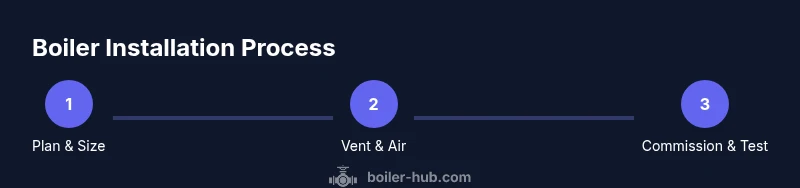
At a high level, a boiler installation follows a controlled sequence: verify site readiness, check heat-load sizing, confirm venting and air supply, install the boiler and piping, connect gas and electrical services, perform pressure and leakage tests, and carry out commissioning. Throughout the process, maintain documentation of test results, pipe runs, and any deviations from the manufacturer’s instructions. Expect several checks, including ensuring there are no gas leaks, verifying safe ignition, and confirming that the system fills and pressurizes correctly. The installation should be supervised by a qualified technician who can interpret readings and adjust settings for efficiency. Schedule a final inspection with the local authority to confirm code compliance.
Maintenance considerations after install
After installation, establish a maintenance routine to protect your investment and maintain efficiency. Schedule annual service with a licensed technician to inspect heat exchangers, burners, and controls. Replace worn parts as recommended by the manufacturer and keep the expansion vessel, pressure relief valve, and safety devices in good working order. Keep a log of service visits, model numbers, and warranty details. Check for signs of corrosion, leaks, unusual noises, or a drop in pressure, and address issues promptly with a qualified technician. Review the warranty terms to understand required servicing intervals and what constitutes a covered failure.
What to expect next and how Boiler Hub supports you
After the installation is complete, you should have a functioning, safe boiler with clear operating instructions and a maintenance schedule. Use your user manual to adjust thermostat settings and optimize energy use. If you observe any irregularities, contact your installer or a licensed technician for a quick diagnostic. Boiler Hub offers guidance, checklists, and risk-aware recommendations to help homeowners and building managers navigate boiler upgrades with confidence. For ongoing learning, continue to monitor efficiency metrics and compare with standard energy-use benchmarks.
Tools & Materials
- New boiler unit (correct size and type)(Select based on heat load calculation; options include combi, system, or heat-only)
- Vent/Flue system compatible with boiler(Includes chimney liner if required by code)
- Gas supply shut-off valve(Accessible shut-off near appliance; installed by licensed pro)
- Flexible gas line and fittings(Per code; rated for gas appliance connections)
- Expansion vessel (if system boiler)(Sizing per boiler and system type)
- Pressure relief valve and gauge(As per boiler model spec and code)
- Piping and fittings (copper/steel)(For cold-water feed and heating circuit connections)
- Sealant, thread tape, and flux(Ensure leak-free joints)
- Manometer or pressure testing kit(Verify system pressure during commissioning)
- Electrical supply and wiring accessories(Correctly rated breakers and cable routes)
- Personal protective equipment (PPE)(Gloves, eye protection, and hearing protection)
- CO detector and smoke alarm(Place near boiler and sleeping areas)
- Manufacturer installation manual(Keep on site for reference)
- Tools: wrenches, screwdrivers, torque wrench(Assorted sizes; torque checks where specified)
Steps
Estimated time: 6-8 hours
- 1
Verify site readiness and permits
Confirm space clearance, venting routes, and obtain required permits. This avoids delays and ensures compliance.
Tip: Double-check local code requirements before removing any old equipment. - 2
Size the boiler for the home
Use heat-load calculations, climate data, and hot-water needs to determine the appropriate boiler size and type.
Tip: Avoid oversized units; undersized units struggle on cold days. - 3
Plan venting and combustion air
Design vent runs and ensure adequate combustion air per manufacturer specs. Keep vent height and clearances in mind.
Tip: Long horizontal runs can reduce drafting; minimize bends where possible. - 4
Install boiler location and piping
Mount the boiler with proper support, connect the heating and domestic circuits, and route piping with clean, accessible runs.
Tip: Leave space around the unit for service and future maintenance. - 5
Connect gas and electrical services
Gas line connections and electrical supply should be completed by licensed professionals, followed by leak testing.
Tip: Do not perform gas work without the required license. - 6
Commission, test, and document
Fill and pressurize the system, test for leaks, verify ignition, and record readings and warranty data.
Tip: Keep a commissioning report for future reference and warranty claims.
Questions & Answers
Do I need a permit to install a boiler?
Most jurisdictions require a permit for gas-fired boiler installation. Check with your local building department and have the system inspected after completion.
In most places, you’ll need a permit and an inspection after installation.
Can I install a boiler myself or should I hire a professional?
Gas and combustion systems pose serious safety risks. Most boiler installations should be performed by a licensed professional, especially gas connections.
For safety, hire a licensed pro for gas work.
How do I determine boiler size for my home?
Sizing should be based on heat Load calculations, climate, insulation, and hot water needs. Use a Manual J calculation or consult a pro.
Sizing is specific; get a load calculation.
What safety precautions should I take during installation?
Maintain proper gas shut-off access, ensure ventilation, install CO detectors, and verify venting for proper exhaust. Follow safety guidelines at all times.
Always follow safety guidelines and get a pro.
How long does boiler installation typically take?
For a standard replacement with gas work, plan on a full day from shut-down to commissioning.
Most installs take a day or two depending on site.
What maintenance should I plan after installation?
Schedule annual servicing, replace worn parts as recommended, and keep records of warranty and service history.
Regular maintenance keeps the boiler safe and efficient.
Watch Video
Key Points
- Size the boiler accurately to match heat load.
- Obtain permits before starting work.
- Hire a licensed pro for gas work and commissioning.
- Ensure proper venting and combustion air.
- Maintain a maintenance schedule after install.