Boiler Fitting: A Homeowner's Step-by-Step Installation Guide
Comprehensive, step-by-step guidance for boiler fitting, including planning, sizing, installation, safety checks, and commissioning for homeowners and facility managers.


Boiler fitting is the safe installation and connection of a boiler to fuel supply, venting, and controls. This guide covers planning, sizing, installation, safety checks, and commissioning. For most installations, professional handling is recommended to ensure correct sizing, venting, gas safety, and a proper commissioning process.
What boiler fitting encompasses and why it matters
Boiler fitting is not just bolting a new unit in place; it’s a coordinated process that ensures safe fuel supply, proper venting, and reliable hot water. For homeowners, the quality of the initial fit determines efficiency, safety, and long-term performance. According to Boiler Hub, the most common faults in new installations are due to incomplete gas checks, incorrect venting, or mismatched sizing. A proper fitting reduces energy waste and minimizes future service calls. In this guide, we lay out the goals of a fitting project, typical constraints, and the roles of you and your installer. We’ll cover sizing, space planning, and the regulatory steps you’ll encounter from estimates to commissioning. The keyword boiler fitting should be kept in mind as you work through planning and execution. Throughout, aim for a fit that balances efficiency, reliability, and safety—three pillars Boiler Hub emphasizes for every installation.
Quick planning for boiler fitting: a practical mindset
Before any physical work begins, set a clear scope for the project. This includes choosing the boiler type (combi, system, or regular), confirming space for service clearances, and mapping existing pipework and ventilation. A proper heat-loss calculation is essential to avoid under- or over-sizing, which can waste energy or fail to meet demand. Document existing gas supply lines, electrical circuits, and water connections, along with any restrictions posed by flooring, cabinets, or nearby combustibles. Create a simple project timeline, identify critical milestones (estimate, permit, installation, commissioning), and align on a budget. These upfront steps reduce delays and prevent costly rework later. Boiler Hub recommends engaging a licensed professional early to validate your assumptions and to interpret any manufacturer-specific requirements that affect fit.
Boiler types and sizing considerations for fitting
The decision between combi, system, and regular boilers hinges on hot water demand, number of bathrooms, and space for storage tanks. A combi boiler provides hot water on demand, ideal for smaller homes, while system boilers require a hot water cylinder but can supply higher flow rates. Regular boilers are best for larger properties with multiple zones. Sizing is determined by heat-loss calculations, radiator layout, and household patterns. A mis-rated boiler wastes energy and increases wear. Boiler Hub analysis shows that selecting the right boiler type and accurate sizing reduces operating costs and improves comfort. When planning the fit, consider future expansion, insulation quality, and potential upgrades to controls that can improve overall efficiency.
Safety, regulations, and permits: stay compliant
Boiler fitting involves gas work, electrical wiring, and venting—areas that demand strict attention to safety. Always hire a Gas Safe registered engineer for gas boiler installations and commissioning. Local building codes may require permits and inspections before and after installation. Plan for safe access to the work area, appropriate ventilation, and the removal of the old unit if replacing an existing boiler. Document all safety checks, including leak tests and flue integrity, to comply with licensing requirements and to protect occupants. While this guide provides practical steps, do not attempt gas or electrical work beyond your competence level. Safety first saves lives and reduces liability for property managers and homeowners alike.
Installation challenges and coordination: what can go wrong
Common installation hurdles include incompatible pipe sizes, suboptimal flue routing, insufficient clearance for servicing, and mismatches between the boiler’s output and the radiator network. Coordinating with plumbers, electricians, and building inspectors is critical. If you’re replacing an old boiler, ensure the new unit’s footprint fits the existing space and that the venting path remains unobstructed. Accurately marking positions for mounting, connections, and control wiring prevents last-minute adjustments. A well-planned layout minimizes downtime and ensures a smoother commissioning process.
Commissioning, testing, and handover: final steps that matter
Commissioning validates the entire system: gas pressure, electrical connections, water flow, heat output, and safety devices. Expect a thorough leak test, vent integrity check, and calibration of controls. The commissioning process should yield a Gas Safe certificate where required and a handover package including manuals and warranty information. Record test results, set up user-friendly thermostatic controls, and explain routine maintenance tasks to the occupants. A careful handover improves long-term satisfaction and reduces post-installation service calls. The Boiler Hub Team emphasizes that commissioning is not optional; it is essential for safety and reliability.
Tools & Materials
- Gas-safe engineer registration(Essential to perform gas boiler fitting and certification.)
- Manufacturer installation manual(Follow specific instructions for model and options.)
- Pipe wrenches (set)(For gas, water, and heating pipe connections.)
- Adjustable spanners(Versatile for fitting different nuts and fittings.)
- Screwdrivers (flat & Phillips)(Needed for screws on mounting brackets and panels.)
- Pipe cutter or flaring tool(Ensure clean, leak-free cuts and proper flare.)
- Pressure gauge / manometer(Used to verify system pressure during commissioning.)
- Flue kit and adapters(Matches the new boiler’s flue outlet to the existing vent.)
- Leak detector fluid or soapy solution(Check joints for gas leaks after connections.)
- Electrical tester / multimeter(Verify supply voltage and wiring safety.)
- Personal protective equipment(Goggles, gloves, and protective footwear for safety.)
Steps
Estimated time: Total time: 4-8 hours
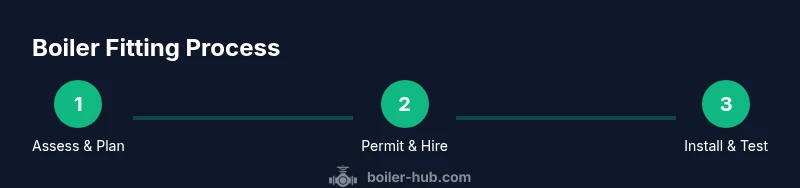
- 1
Assess site and determine boiler type
Evaluate space, existing pipework, and venting. Decide between combi, system, or regular boiler based on hot water demand and future expansion plans. This step sets the foundation for sizing and layout.
Tip: Do not buy a boiler before completing a heat-loss calculation and confirming space for service clearance. - 2
Obtain permits and hire a Gas Safe engineer
Check local regulations and arrange the installation with a licensed professional. Ensure the engineer will perform commissioning and provide safety documentation.
Tip: Ask for a written quotation that includes a commissioning checklist and warranty terms. - 3
Prepare the site and isolate utilities
Shut off gas supply and power to the boiler area. Clear the workspace and protect surrounding surfaces. Remove surrounding obstacles to allow safe lifting and access.
Tip: Verify shutoff valves are accessible before any disconnection begins. - 4
Remove old boiler and prepare flue path
Carefully disconnect gas, water, and electricity from the old unit. Remove the old boiler and verify the flue path remains clear or is updated to suit the new model.
Tip: Dispose of the old unit per local regulations and document any asbestos concerns if present. - 5
Install new boiler and connect services
Mount the boiler, connect gas lines, water feeds, and electrical supplies. Route the flue and ensure all fittings are tight and leak-free. Follow manufacturer torque specs.
Tip: Use manufacturer-approved connectors and avoid shortcut fittings that could cause leaks. - 6
Commission and test the system
Perform leak tests, verify gas pressure, bleed air, fill and repressurize the system, and test radiator heating performance. Issue a commissioning certificate and explain operation to the user.
Tip: Record test results and keep documentation for warranty and future service.
Questions & Answers
Do I need a permit to install a boiler?
Permit requirements vary by location. A Gas Safe engineer can determine if permits or inspections are required and handle the necessary approvals.
Permit requirements vary by location; a licensed professional can determine what is needed and handle inspections.
Can I install a boiler myself?
Gas boiler installation generally requires a registered professional due to safety and compliance concerns. Non-professional work can void warranties and create safety risks.
Gas boiler installation should be done by a licensed professional to stay safe and compliant.
What is the difference between combi and system boilers?
A combi boiler provides hot water on demand without a storage cylinder, while a system boiler works with a hot water cylinder. Size and layout determine the best option for your home.
Combi gives instant hot water; system uses a cylinder for storage, great for multiple bathrooms.
How long does boiler fitting take?
Time varies with house size and complexity, but many installations take several hours. Your installer will provide a timeline based on the specific model and conditions.
Most boiler fittings take several hours; a detailed timeline comes from your installer.
What maintenance should follow installation?
Schedule an annual service, test safety devices, bleed radiators, and check thermostat programming. Keep a maintenance log for warranty and efficiency.
Annual service and periodic checks keep your boiler efficient and reliable.
What safety checks are required after fitting?
Gas tightness, flue integrity, venting, and pressure test are essential safety checks. Ensure a formal commissioning certificate is issued.
Gas tightness tests and proper venting are essential for safety and compliance.
Watch Video
Key Points
- Plan thoroughly before starting the fit.
- Engage a Gas Safe engineer for safety and compliance.
- Ensure accurate boiler sizing to maximize efficiency.
- Test and document commissioning for warranty and safety.