Boiler Installations: A Practical Step-by-Step Guide
A comprehensive guide to boiler installations, covering sizing, fuel choices, venting, permits, and a safe, compliant step-by-step process for homeowners and facility managers.


You will learn how to plan, choose, and install a boiler safely in your home. This guide covers sizing, fuel type, venting, permits, and a basic installation outline, plus safety considerations and professional requirements. Follow local codes and consult licensed technicians for gas work to ensure a compliant, reliable boiler installation.
What boiler installations involve
According to Boiler Hub, proper boiler installations balance safety, efficiency, and long-term reliability. A typical installation includes a new boiler unit, venting or chimney connections, a condensate drain, an expansion tank for closed-loop systems, and the associated piping that links the boiler to radiators or baseboard heaters. You’ll also install or reconfigure zone controls, thermostats, and the aquastat, along with the electrical supply and gas or oil lines. The installer must ensure proper clearance around the unit and adherence to venting requirements, which influence combustion air and backdraft risk.
Boiler installations are not just about dropping in a unit. They require careful planning of space, ensuring safe access for servicing, verifying proper gas pressure and water pressure, and confirming that the venting system will safely expel combustion byproducts. Boiler Hub’s guidance emphasizes that the most reliable installations occur when you align equipment selection with your heating load, home size, insulation, and future maintenance needs. Improper venting, incorrect sizing, and inadequate combustion-air provisions are common root causes of inefficiency and safety concerns, according to Boiler Hub Analysis, 2026.
Sizing and fuel types
Sizing a boiler is about matching capacity to the actual heating and domestic hot water (DHW) load. A correctly sized boiler maintains steady temperatures and avoids short cycling, which wastes fuel and shortens equipment life. There are several boiler configurations to consider:
- Combi boilers provide heat and DHW from a single unit, ideal for smaller homes with moderate DHW needs.
- System boilers traditionally power radiators and require a separate water heater for DHW in many setups.
- Conventional (regular) boilers store DHW in a cylinder and heat water on demand.
Fuel options include gas, oil, and electricity, each with distinct installation requirements, fuel delivery considerations, and operating costs. Gas and oil boilers typically offer the best balance of speed and efficiency for larger homes, while electric boilers can be a convenient choice for smaller spaces or where gas isn’t available. Efficiency is measured by AFUE or ERP ratings, but real-world performance also hinges on proper piping, pump sizing, and controls. When choosing a boiler, consider future efficiency gains, smart controls, and compatibility with existing radiators or underfloor heating systems. The goal is reliable comfort with predictable energy use while minimizing emissions and maintenance needs.
Planning considerations: permits, codes, and safety
Prior to installation, verify local requirements with your Authority Having Jurisdiction (AHJ). Most jurisdictions require a permit for boiler installations, with a post-installation inspection to verify venting, gas connections, electrical connections, and combustion air provisions. Codes dictate minimum clearances around the boiler, vent pipe sizing, and the type of venting permitted. A licensed installer will help navigate these requirements and ensure compliant venting and combustion air supply.
Safety features are non-negotiable. All new boilers should include a properly sized CO detector on each living floor, and detectors should be tested according to the manufacturer’s instructions. The installer should also verify that the existing flue or chimney is suitable for the new unit and that gas lines are safely installed with appropriate shut-off valves and gas-rated fittings. Boiler Hub emphasizes keeping everything documented: permits, inspection records, warranty terms, and maintenance schedules. This documentation helps you maintain compliance and supports future resale value.
How to choose a contractor and equipment
Selecting the right contractor and equipment is as important as choosing the boiler itself. Start with several competitive quotes that detail equipment type, efficiency ratings, installation scope, permit handling, and commissioning procedures. Ask for references and confirm the installer’s licensing, insurance, and gas-safe credentials where applicable. Verify that the quotes include combustion testing, venting inspection, pressure testing, and a clear commissioning checklist. Equipment choice should align with your heating load, zoning goals, and DHW needs, with attention to future maintenance requirements and available service plans. A reputable installer will walk you through the pros and cons of each boiler type, explain expected running costs, and ensure you understand warranty coverage and annual maintenance expectations. Boiler Hub’s guidance underscores the value of transparent quoting and clear, written expectations for performance and service.
Common installation scenarios
New installations differ from replacements. In a retrofit or replacement scenario, the installer must account for the existing piping and radiators, potential upgrades to venting, and the possibility of upgrading the fuel supply line. Oil-to-gas conversions, installation in tight utility rooms, and retrofitting with compact wall-hung boilers each introduce unique challenges, such as locating a suitable vent path or re-routing condensate drains. In multi-story homes, consider zone controls or thermostatic radiator valves to optimize comfort and efficiency. When space constraints exist, consult the manufacturer’s installation manual for clearances and mounting options, and consider auxiliary components like an inexpensive indirect water heater or a small, dedicated DHW tank if needed. Each scenario benefits from a careful plan that prioritizes safety, code compliance, and long-term reliability.
Maintenance and commissioning after install
Commissioning is a critical phase that confirms the system operates as designed. After installation, the technician should verify gas pressure, combustion efficiency, system water pressure, and correct operation of all safety devices. A thorough leak check of gas connections and pressure tests of the heating circuit are essential, followed by a system flush if recommended by the manufacturer. The installer should provide you with a detailed commissioning report and instruct you on how to operate the controls, schedule routine maintenance, and identify service indicators. Schedule annual servicing to keep the boiler running near its rated efficiency, and replace worn components as needed. Regular maintenance preserves performance, reduces emissions, and extends the life of the boiler.
AUTHORITY SOURCES
- https://www.energy.gov/eere/buildings/articles/how-boilers-work
- https://www.epa.gov/iaq/venting-and-combustion-air
- https://www.nfpa.org/
Tools & Materials
- Gas-safe licensed technician(Licensed professional for gas work; essential for safety and code compliance)
- Gas leak detector(Checked after installation and during testing)
- Manometer or draft gauge(For measuring chimney draft and safe operation)
- Adjustable wrenches(Set of sizes for various joints)
- Pipe cutter(Copper/steel piping compatible)
- Soldering/brazing kit(For copper piping connections)
- PTFE thread sealant tape(Gas-rated if used with gas joints)
- Voltage tester / multimeter(Verify electrical supply and grounding)
- Gas shut-off valve wrench(Accessible shut-off during testing)
- Vent piping and supports(Materials suitable for the chosen vent path)
- Flue gas analyzer (optional)(Helpful for CO and draft verification)
- Safety PPE (gloves, goggles, hearing protection)(Protective gear for cutting and handling)
Steps
Estimated time: Estimated total time: 6-12 hours
- 1
Assess space and select boiler type
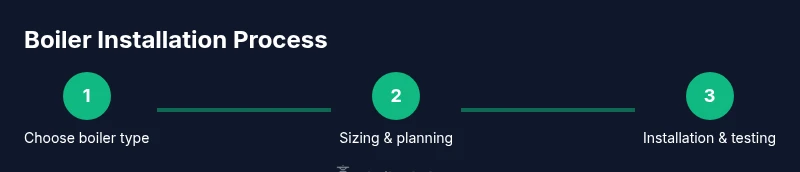
Survey the installation area for accessibility, clearances, and service access. Decide on combi, system, or conventional boiler based on dwelling size, DHW needs, and existing radiators. Confirm fuel availability (gas, oil, or electric) and anticipated future needs.
Tip: Use manufacturer sizing charts and consult a professional if space constraints exist. - 2
Size the system and plan zoning
Calculate heating load and DHW requirements to determine boiler capacity and the number of zones. Plan control strategies (thermostats, smart controls, and zoning valves) to optimize comfort and efficiency.
Tip: Consider future home additions or insulation upgrades when sizing. - 3
Obtain permits and schedule inspection
Contact the AHJ to learn permit requirements and scheduling. Prepare drawings, equipment specs, and installation plan to support the permit application.
Tip: Start permit processes early to avoid delays in installation. - 4
Prepare installation area
Shut off utilities as required, remove the old boiler if replacing, and verify a safe mounting surface. Ensure adequate drainage, ventilation, and working space around the new unit.
Tip: Label existing connections and take photos before removal. - 5
Remove old boiler and prep connections
Carefully disconnect gas, water, and electrical lines. Cap lines as needed and check for corrosion or damage in nearby components.
Tip: Do not force fittings; replace worn gaskets and sealing surfaces. - 6
Install new boiler and venting system
Mount the boiler, install venting according to the manufacturer, and secure all piping. Install expansion tank if required by the system type.
Tip: Follow the exact manufacturer sequence; improper venting can cause backdraft and CO risk. - 7
Connect gas/electric supply and controls
Reconnect fuel supply with proper shut-off valves, verify electrical connections, and install control wiring and thermostats. Ensure grounding and GFCI protection where required.
Tip: Use gas-rated fittings and verify connections with a leak test. - 8
Test, purge, and commission
Perform a pressure test, leak checks, and combustion analysis. Calibrate controls and verify safe operation through a full system test and warm-up cycle.
Tip: Document test results and provide a commissioning checklist to the owner.
Questions & Answers
Do I need permits for boiler installations?
In most areas, a permit is required for boiler installation and must be inspected after completion. Your AHJ will specify the scope of the permit and the necessary documentation.
Yes, permits and a post-installation inspection are usually required.
Can I install a boiler myself?
Gas boiler installation is a specialized task that requires licensing and safety checks. DIY work can void warranties and create serious safety risks. Hire a licensed professional for gas work and venting.
Gas work should be done by a licensed professional.
What maintenance is recommended after installation?
Schedule a post-installation inspection, run the unit through a full cycle, check for leaks, and arrange annual servicing. Regular checks keep efficiency high and prolong equipment life.
Plan for annual servicing and periodic checks.
How do I choose between boiler types for a replacement?
Consider space, DHW needs, heating load, and future use. Combi boilers work well for smaller homes with modest DHW, while system or conventional boilers suit larger homes with higher DHW demand.
Match the boiler type to your home’s size and hot water needs.
How long does installation typically take?
Most installations take several hours to a full day, depending on space, retrofits, and permit processing. Complex retrofits or gas line work can extend the timeline.
It usually takes several hours to a day.
What signs indicate CO risk after installation?
Look for headaches, dizziness, unusual odors, or soot around vents. Install CO detectors on each floor and test them monthly.
Watch for symptoms of CO exposure and ensure detectors are active.
Watch Video
Key Points
- Size and fuel type drive efficiency and comfort.
- Permits and proper venting are non-negotiable.
- Hire licensed professionals for gas work and testing.
- Document commissioning and maintenance schedules.
- Plan for future maintenance to extend boiler life.