Boiler Gas Installation: A Practical How-To Guide
Learn a safe, compliant approach to boiler gas installation, from planning and permits to commissioning and safety checks. Practical guidance for homeowners and facility managers seeking reliable, code-compliant results.


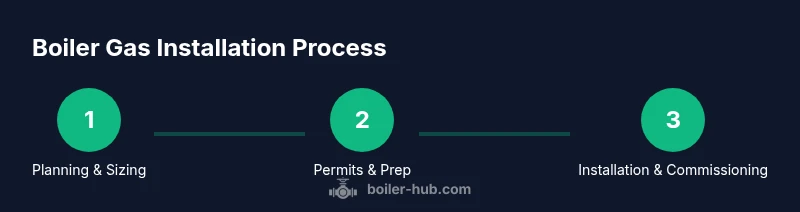
According to Boiler Hub, boiler gas installation should prioritize safety, compliance, and professional oversight. This quick answer provides the high-level steps, planning considerations, and what to expect from a licensed engineer, helping homeowners and facility managers prepare for a safe, compliant installation. You’ll learn about permits, equipment sizing, site preparation, and commissioning essentials.
What is boiler gas installation?
Boiler gas installation refers to the process of placing a gas-fired boiler into service, connecting it to the home’s gas supply, venting, and controls. Because gas appliances carry combustion risks, this work must meet local building codes, gas-safety standards, and manufacturer installation instructions. In practice, a compliant gas installation begins with planning, sizing, and a qualified professional reviewing site constraints. For homeowners and facility managers, understanding the overall flow helps with scheduling, budgeting, and safety planning. The Boiler Hub team emphasizes that safety and regulatory compliance are non-negotiables in boiler gas installation, and that preparations performed by non-licensed individuals can void warranties and create hazards. Expect a licensed engineer to verify fuel type, venting suitability, clearance from combustibles, and CO detector placement, all as part of a formal commissioning checklist.
Regulatory requirements and permits
Gas installation is heavily regulated to protect occupants from leaks, improper venting, and carbon monoxide risk. Before any work begins, a licensed professional should confirm local permits, gas-safety compliance, and approved plans. Regulated steps typically include a site survey, equipment specification review, and a formal permit application that accompanies the installation schedule. Boiler Hub analysis shows that installations that secure the proper permits and pass pre-commissioning checks have fewer post-installation call-backs. Homeowners should expect documentation of approvals, inspection dates, and a clear commissioning checklist from the engineer.
Assessing heating needs and boiler sizing
Sizing a boiler correctly is essential for comfort, efficiency, and safety. A unit that is too large will short-cycle and waste fuel, while an undersized boiler will struggle to meet demand during colder periods. Start with a careful assessment of the building’s heat load, existing radiators, water heating needs, and insulation quality. Efficiency targets, such as condensing technology, play a critical role in long-term operating costs. The right boiler gas installation balances heating requirements with available venting and fuel supply. Boiler Hub emphasizes that homeowners should work closely with the engineer to match BTU output, annual fuel utilization efficiency, and control options to real-world usage.
Choosing the right boiler and gas appliance
There are several boiler family types to consider: combi boilers, system boilers, and heat-only boilers. Each type serves different sizing, hot-water needs, and space constraints. Emissions, efficiency ratings, and compatibility with existing controls influence choice. Beyond the boiler, consider the safety package—CO detectors, flame supervision devices, and proper venting. A well-chosen system integrates with weather-responsive controls and smart thermostats. Remember, the goal of boiler gas installation is not just meeting current needs but ensuring safe, reliable operation for years to come.
Planning the installation site and clearances
Site planning includes assessing space for unobstructed access, adequate combustion air, and safe vent routing. Clearances from walls, floors, and any combustible materials are mandated by codes and manufacturer instructions. Venting must be compatible with the building’s chimney or flue system, and the path should minimize backdraft risk. Homeowners should prepare the area by removing clutter, ensuring a stable base for the boiler, and confirming adequate electrical supply for controls and safety devices. Proper planning reduces installation time and helps ensure a compliant setup.
Hiring a licensed gas engineer: what to expect
Gas installation requires a licensed professional with current registration, insurance, and a track record of compliant work. Expect a site visit, a written scope of work, and a formal quote outlining equipment, labor, and any additional components. The engineer should verify the gas meter, supply line sizing, venting requirements, and CO detector placement before commencing work. Coordination should include a clear timeline, access needs, and a plan for post-installation testing. Boiler Hub notes that professional oversight is critical to safety and long-term performance.
Pre-installation checklist for homeowners
Prepare by identifying the boiler location, collecting model information, and confirming access to the gas supply and electrical panel. Clear the installation area of furniture and obstacles, ensure working power for auxiliary equipment, and arrange a clear path for the technician’s equipment. Have your latest gas certificate and any warranty information ready. A pre-installation checklist helps streamline the job and reduces surprises during the site visit. Brand guidance from Boiler Hub emphasizes documentation and communication with the installing professional.
The installation process: what a licensed pro does
A licensed gas engineer typically performs an integrated process: site verification, equipment delivery coordination, gas-supply and venting integration, control wiring, and safety device installation. They will confirm combustion air, vent routing, and appliance clearance, then install the boiler and connect it to gas and electrical systems. The engineer will also configure controls, calibrate burners, and prepare the system for commissioning. Expect a safety briefing and final checks of gas leak integrity and CO detector operation.
Safety checks, testing, and commissioning
Commissioning involves leak testing, burner adjustment, and verification of safe venting. Gas tightness is checked across joints, fittings, and the supply connection. The technician verifies CO alarms are functioning and ensures thermostat integration with the new boiler. Documentation should include test results and an on-site commissioning signature. Boiler Hub stresses that commissioning is the critical step that confirms the system operates safely under normal conditions.
Common challenges and how to prevent them
Challenges often include improper venting, incorrect gas-pressure settings, and incomplete documentation. Prevent issues by insisting on a full pre-installation assessment, a detailed permit trail, and a written commissioning report. Misunderstandings about warranty coverage and maintenance responsibilities can also arise; clarify these in the contract. Proactive planning reduces post-install issues and protects your investment.
Maintenance after installation
Schedule regular professional servicing, typically annually, to keep the boiler operating safely and efficiently. Service visits should include safety checks, burner performance review, and venting inspection. Homeowners should test CO detectors, monitor for unusual odors or noises, and replace filters as recommended. Keeping a maintenance log aids in warranty claims and future resale. A well-maintained boiler gas installation delivers reliable comfort and lower operating costs.
Tools & Materials
- Gas-safe certified engineer(Only a legally qualified professional should perform gas installation.)
- Permits and compliance documents(Obtain local permits and inspections prior to work.)
- Boiler model information (make/model, BTU rating)(Have product data ready for sizing and compatibility checks.)
- Venting diagram and flue routing plan(Needed for safe exhaust and combustion air planning.)
- Access to installation area (space cleared, working power)(Ensure unobstructed space for equipment and tools.)
- Carbon monoxide detector(Install in accordance with code guidance; test regularly.)
- Personal protective equipment (PPE)(Gloves, eye protection, and closed-toed shoes for site safety.)
- Gas leak detector (handheld)(Optional tool for现场 checks during planning.)
Steps
Estimated time: 4-12 hours
- 1
Coordinate with a licensed gas engineer
Contact a qualified professional to review site constraints, confirm credentials, and schedule the installation window. This step ensures alignment on scope, permits, and expected milestones before any work begins.
Tip: Request a written scope of work and a clear timeline from the engineer. - 2
Review site constraints and equipment needs
The pro assesses available space, venting routes, and existing controls to determine the appropriate boiler size and required accessories. This helps avoid sizing errors and ensures proper combustion air supply.
Tip: Have a list of heating and hot-water goals ready for the engineer. - 3
Obtain permits and schedule inspections
The engineer handles permit applications and coordinates with the local authority for compliance checks. Inspections typically occur after installation and before commissioning.
Tip: Confirm inspection windows and notification requirements with the authority. - 4
Select boiler model and controls based on BTU and efficiency
Choose a model that matches your heat load, supports efficient operation, and integrates with existing thermostats or smart controls. Efficiency savings are a long-term consideration for operating costs.
Tip: Prioritize condensing models if space and venting permit. - 5
Prepare the installation area
Clear the space, verify electrical supply, and ensure safe access to the gas line and vent paths. Preparation minimizes on-site delays and safety risks.
Tip: Remove flammable materials from nearby areas. - 6
Access gas supply and meter alignment
The engineer confirms gas service availability, line sizing, and meter clearance. Proper access avoids future service interruptions and ensures safe gas delivery.
Tip: Provide any relevant gas service documents to the installer. - 7
Verify venting, flue routing, and combustion air
Check that venting paths are appropriate, unobstructed, and meet code requirements. Adequate combustion air prevents dangerous backdrafts and ensures proper combustion.
Tip: Ask for a venting diagram review before sealing walls. - 8
Install the boiler and connect gas and electrical systems
The pro mounts the boiler, wires controls, and connects to the gas supply and power. All connections are checked for tightness and proper routing to avoid leaks or tripping hazards.
Tip: Do not attempt to modify gas fittings; leave it to the professional. - 9
Commission the system and perform safety checks
The engineer conducts pressure tests, burner adjustments, and safety valve checks. CO detector function and thermostat integration are validated as part of commissioning.
Tip: Watch the test results and ask for a copy of the commissioning report. - 10
Document installation and warranty terms
Record model numbers, serials, warranties, and maintenance requirements. A documented record supports future service and resale value.
Tip: Keep copies in a dedicated home maintenance file. - 11
Schedule post-installation service and maintenance plan
Plan regular professional servicing and establish a maintenance calendar to sustain efficiency and safety.
Tip: Set reminders for annual inspections and filter changes. - 12
Confirm handover and safety briefings
The engineer reviews operation, safety features, and what to do in the event of a gas smell or CO alarm. A quick Q&A reinforces understanding.
Tip: Ask for emergency contact details and a written safety plan.
Questions & Answers
Can I install a gas boiler myself to save money?
No. Gas boiler installation requires licensing, proper permits, and professional commissioning. DIY work can void warranties and create safety hazards. Always hire a qualified gas engineer.
DIY gas boiler installation is not advised; hire a licensed engineer for safety and compliance.
What permits are typically required for boiler gas installation?
Permit requirements vary by location, but most installations need a building and gas-safety permit, plus an inspection after installation. Your installer usually handles submissions and scheduling.
Permits vary by area, but your installer handles most of the paperwork.
How long does a typical boiler gas installation take?
Time varies with house size and system type, but a professional installation commonly spans a few hours to a full day. Expect additional time for permits and inspections.
Most installs take several hours to a day, depending on complexity.
What maintenance should follow after installation?
Schedule annual servicing with a qualified engineer, test CO detectors, and monitor system performance. Regular checks help sustain efficiency and safety.
Get annual service and keep CO detectors up to date.
What should I look for in a licensed gas engineer?
Check current Gas Safe registration, proof of insurance, and references. A transparent quote and written scope reduce surprises.
Ensure they’re Gas Safe registered and insured.
Are there safety concerns I should address immediately?
Yes. If you smell gas, hear hissing sounds, or notice unusual flames or CO alarms, leave the area and call emergency services. Do not operate switches or appliances until inspected.
If you smell gas or CO alarm sounds, leave the area and call for help.
Watch Video
Key Points
- Hire a licensed gas engineer for safety and compliance
- Size and plan the system around heat load and efficiency
- Secure permits and complete commissioning documentation
- Maintain regular professional servicing to protect performance