Who Installs Boilers: A Practical Home Guide
Discover who installs boilers, how to verify licenses and permits, and how to choose a qualified installer. This guide explains plumber vs. HVAC roles, safety, and regional requirements to ensure a safe, code-compliant boiler installation.


In most regions, boilers are installed by licensed plumbers or HVAC contractors who specialize in combustion appliances and code compliance. Verify licenses, insurance, and permits before scheduling, and choose an installer with local experience and a proven track record with your boiler type. Boiler Hub emphasizes that a qualified installer reduces risk and protects safety and efficiency over the system’s life.
Who installs boilers
When planning a boiler project, the first question homeowners ask is often: who installs boilers. In most regions, this job falls to licensed professionals who specialize in combustion appliances and gas safety. Typically, licensed plumbers or HVAC contractors with boiler experience handle the work. The Boiler Hub team stresses due diligence: verify licenses, confirm insurance coverage, and ensure that the proper permits are secured before work starts. The right installer should demonstrate hands-on experience with your boiler type, knowledge of local codes, and a track record of safe venting and combustion testing. As you evaluate candidates, request examples of past boiler installations, inspection history, and documentation of warranty terms. According to Boiler Hub, selecting a qualified installer up front reduces risk and protects your family and property over the system’s life.
Understanding installation roles
Boiler installation involves several specialized roles, and understanding who does what helps prevent miscommunication and delays. A plumber with gas-fitting credentials often leads gas supply connections and safety shutoffs. An HVAC contractor typically handles system integration, venting pathways, and compatibility with existing radiators or radiant floor heating. In some cases, a single technician may perform both tasks, but it remains crucial that they are qualified for the boiler type you select (gas, oil, or electric) and familiar with local inspection requirements. Clarity about scope, sequence, and sign-offs is essential. Boiler Hub’s guidance emphasizes aligning roles with code requirements and the boiler manufacture’s installation instructions.
Licensed plumbers vs HVAC contractors
Two common professionals install boilers: licensed plumbers and HVAC contractors. Plumbers bring expertise with gas lines, combustion safety, and piping layouts, often understanding warranty implications for gas-fired boilers. HVAC contractors offer broader system knowledge, including integration with thermostats, zoning, and boiler-to-radiant heating compatibility. The choice often depends on boiler type and the complexity of the heating system. In many jurisdictions, gas-related work is preferred to be performed by a plumber due to code requirements, while HVAC pros can excel at system balancing and venting coordination. Always confirm current licenses, adequate insurance, and local permit authority before hiring.
Gas vs oil boiler considerations
The boiler type you choose affects installer qualifications and the installation process. Gas boilers generally require a licensed gas-fitter or plumber familiar with gas codes, venting requirements, and combustion safety testing. Oil boilers involve different fuel delivery equipment and venting considerations, with some jurisdictions requiring technicians trained specifically for oil systems. In both cases, expect combustion analysis, proper venting, and clearances from combustibles to be verified. If your home uses a shared chimney or vent, ensure the installer coordinates with a venting specialist. Compatibility with your existing boiler room setup and safe fuel supply installation should be non-negotiable criteria when selecting an installer.
Regulatory and safety considerations
Safety is non-negotiable when installing boilers. Gas-fired systems require gas leak checks, burner alignment, and reliable CO monitoring. Many regions mandate building permits and inspections, and installers should manage permit applications and inspection scheduling. Federal and local codes govern venting, combustion air, and clearances around appliances. If a CO detector is missing or nonfunctional, installers should advise replacement. Additionally, verify insurance coverage and workplace safety protocols. Proper documentation, including equipment specifications, warranty details, and inspection certificates, helps with compliance and future service needs.
Finding and vetting installers
Begin with a search for licensed professionals in your area and seek referrals from neighbors, landlords, or facility managers who recently completed boiler work. Check licenses with the state or provincial authority and confirm active status. Request proof of liability insurance and workers’ compensation, plus a completion certificate for boiler installation training. Read recent reviews and review portfolios of similar projects. Ask standardized questions about permit handling, timeline, and post-installation support. Obtain written quotes that itemize labor, parts, permits, and service plans, ensuring alignment with boiler manufacturer installation instructions.
The installation process: step-by-step
A typical boiler installation follows several stages with safety checks and documentation. Start with site preparation, space clearance, and ensuring adequate ventilation. The installer shuts the gas or oil supply, isolates utilities, and assesses existing connections for compatibility. They mount the boiler, connect fuel lines and venting, and perform pressure tests. Combustion adjustments optimize efficiency, and the system is linked to the thermostat and controls. Finally, the system is filled, air-bleed is performed, and leaks are checked. You’ll receive warranty details, a service plan, and post-install follow-up instructions.
Comparison of installer options for boiler installations
| Installer Type | Pros | Cons | Typical Cost Range |
|---|---|---|---|
| Licensed plumber | Familiar with local codes and gas connections | Availability varies; may require scheduling lead times | $1,500-$3,000 |
| HVAC contractor | Broad system knowledge; good for integration | May be less specialized in gas-specific codes | $2,000-$4,500 |
| Manufacturer-certified installer | Manufacturer guidance; warranty benefits | Fewer local options | $2,000-$4,000 |
Questions & Answers
Who is legally allowed to install a boiler?
In most areas, boilers must be installed by licensed professionals such as plumbers or HVAC contractors with appropriate credentials. Always check local codes before hiring.
Licensed plumbers or HVAC pros handle boiler installs; verify credentials and local permits.
Do I need permits for boiler installation?
Permits are typically required and inspections may be mandated. The installer should obtain permits and schedule inspections as part of the project.
Permits are usually required; your installer will handle them.
What should I verify before hiring an installer?
Verify licenses, insurance, and references. Confirm past installations similar to yours and ensure they offer post-installation support and clear warranty terms.
Check licenses, insurance, and references, plus past boiler work.
What is the difference between a plumber and an HVAC contractor for boiler installs?
Plumbers focus on gas lines and combustion safety, while HVAC pros handle system integration and controls. Choose based on boiler type and local codes.
Plumbers handle gas lines; HVAC pros handle system integration.
How long does a boiler installation typically take?
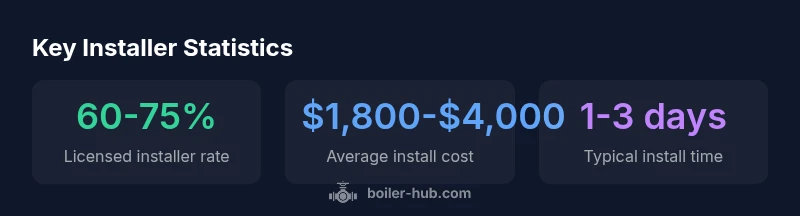
Most installs take about one to three days, depending on boiler type, existing infrastructure, and permit processes.
Most installs take a day or two.
“Choosing a licensed, insured installer with local experience is the single most important factor in boiler safety and long-term reliability.”
Key Points
- Verify licensing and insurance before scheduling any work
- Choose installer type based on boiler type and local codes
- Ensure permits and inspections are completed
- Obtain a formal commissioning report and maintenance plan