How to Hire a Boiler: A Practical Guide for Homeowners and Managers
Learn how to hire a boiler with confidence. This comprehensive guide covers licensing, quotes, contracts, permits, and safety checks to ensure reliable installation or service.


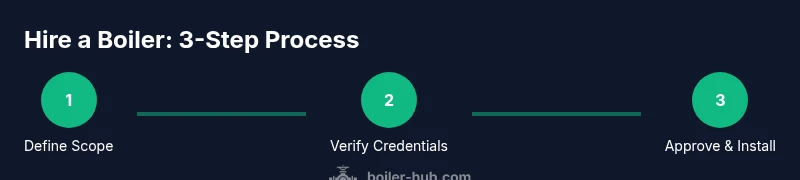
To hire a boiler, start by defining whether you need installation, replacement, or repair. Verify local licensing and insurance, then invite 3–4 qualified technicians to visit for on-site assessments and written quotes. Compare scope, warranties, and timelines before choosing a licensed professional to complete the work safely and up to code.
What it means to hire a boiler
In practical terms, hiring a boiler means partnering with a licensed professional to assess a heating system and safely complete a job, whether that is installation, replacement, or repair. This is not a DIY task for most homeowners due to fuel, electrical, and ventilation risks. When you say you want to hire a boiler, you are committing to a process that includes licensing checks, on-site inspection, and clear documentation. The first step is to define your scope: installation of a new unit, replacement of an old unit, or a repair or service that extends the life of your current boiler. According to Boiler Hub, starting with scope and credentials helps you avoid expensive missteps and delays. A well-scoped project reduces the likelihood of scope creep, unexpected material choices, and mismatched equipment. Gather all relevant information about your current system, including age, fuel type, and any known issues, before you contact potential contractors.
Why licensed professionals matter
Licensed boiler technicians carry training and credentials that reflect compliance with safety standards, building codes, and fuel-related regulations. Working with a licensed pro reduces the risk of gas leaks, carbon monoxide exposure, improper venting, and electrical faults. In many jurisdictions, unlicensed work can void insurance coverage or violate local codes, leading to fines or required rework. Insurance is another critical factor: a qualified contractor should carry general liability and workers’ compensation to protect you if accidents occur on-site. Beyond safety, licensed pros bring documented process expertise, such as proper gas line testing, venting configurations, and combustion analysis. By hiring a licensed professional, you align with industry best practices and improve the likelihood of a long-lasting, code-compliant solution. Boiling the decision down, credentials are the first assurance of quality. The Boiler Hub team emphasizes vetting licenses and insurance before any site visit, particularly for complex or high-efficiency systems.
Types of boiler work you might hire for
Boilers require different specialists depending on the task. You might hire for a full installation or replacement, which includes selecting an appropriate unit, sizing for the building, and ensuring proper venting and fuel supply. You may also hire for routine service or a repair to restore efficiency or extend life. Additional work could involve radiator or zone valve upgrades, boiler-tune adjustments for optimum combustion, or upgrades to improve safety and emissions. Some projects require a permit and inspection, while others may be eligible for a simplified service visit. When you hire a boiler professional, ensure the contractor can cover the entire scope—from assessment and demolition (if needed) to installation, testing, and post-installation checks. The right team coordinates with you to minimize downtime and keeps documentation for future maintenance.
Vetting qualifications: licenses, insurance, and certifications
Ask to see current license details, insurance certificates, and any industry certifications relevant to your boiler type (gas, oil, or electric). Verify that licenses are active and issued for boiler work in your jurisdiction. Check for insurance limits and ensure the policy includes on-site work and potential damages. Certifications from manufacturers or trade organizations can indicate specialized expertise, particularly for high-efficiency models or complex installations. Ask for references or case studies from similar projects and contact past clients to confirm responsiveness and quality. Keep a written record of all credentials and ensure that the contractor’s name matches licensing information. A thorough vetting process helps prevent surprises and confirms the contractor’s ability to meet your performance and safety expectations.
How to collect and compare quotes
Request written, itemized quotes from at least three contractors. Each quote should clearly specify scope, model and specifications, labor, materials, permits, and disposal (if applicable). Look for consistency in the equipment recommended, warranty coverage, and estimated timelines. The lowest price may not be the best value if it excludes essential tasks or warranties. Prefer quotes that include a detailed site assessment, a documented test plan, and post-installation startup checks. Create a comparison rubric that weighs factors you care about (cost, duration, warranty length, and service terms). Keep all quotes in a single folder for easy reference and ensure that timelines align with your heating season needs. Remember to confirm who will provide disposal of old equipment and how removal will be handled.
Essential questions to ask during an on-site visit
During an on-site visit, use a structured list of questions to gauge competence and fit. Key topics include instrumentation and fuel type, combustion efficiency, venting strategy, service intervals, warranty terms, and what is included in the price. Ask about the installer’s experience with your boiler model and building type, whether permits are required, and how safety concerns (such as carbon monoxide detection) will be addressed. Request a written assessment that outlines potential issues and recommended solutions. It’s also important to confirm scheduling, payment terms, and what happens if the project scope changes. A transparent contractor will welcome these questions and provide clear, straightforward answers with no pressure to rush decisions.
Reading and negotiating the contract
A contract should clearly define scope, product specifications, project milestones, and total cost. Look for a detailed materials list, equipment model numbers, and warranty language covering both parts and labor. Payment terms should be reasonable and tied to milestones; avoid large upfront payments. Include a contingency clause for unexpected challenges and a clear process for change orders. Require a written start date, termination rights, and a provision for post-installation support and startup. If any clause feels vague, ask for clarification or a revised version before signing. A careful review helps prevent disputes and ensures both parties share a common understanding of expectations.
Permits, inspections, and warranties
Many boiler projects require local permits and inspections to verify compliance with building and fuel codes. Your contractor should guide you through this process, submitting applications and scheduling required inspections. Warranties should cover both parts and labor and specify what is excluded (e.g., improper maintenance). Clarify whether the warranty is offered by the manufacturer or the installer and whether it transfers if you sell the property. Keep warranty documentation in a central location and register the boiler with the manufacturer if required. Understanding permit and warranty requirements protects your investment and simplifies future maintenance.
Safety considerations and potential risks
Gas boilers and oil-fired systems involve combustion and pressurized components, so safety cannot be compromised. Risks include gas leaks, carbon monoxide buildup, improper venting, and electrical faults. Installations should include automatic shutoff devices, CO detectors, and proper clearance around the unit. Ensure clear access to the boiler for routine maintenance and emergency shutoffs. If you notice any unusual odors, sounds, or performance issues, pause usage and contact a licensed professional immediately. Maintaining a safe system begins with a cautious approach to every step of the hiring process and a commitment to code-compliant work.
Red flags and common scams
Watch for red flags such as pressure to sign immediately, unusually low quotes, requests for cash only, or contractors who avoid providing written estimates. Be wary of substitutions to lower-cost components without notification. Unlicensed workers or those unwilling to show credentials should be avoided. If a contractor promises unofficial savings or bypasses permits, terminate the discussion. Trustworthy professionals provide clear documentation, transparent pricing, and a robust safety record. Always verify credentials directly with the issuing authority and request references before committing.
The Boiler Hub approach to hiring a boiler
Boiler Hub emphasizes a methodical, safety-first approach to hiring a boiler. Start with a well-defined scope and verified credentials, then obtain multiple, itemized quotes. Compare warranties and service terms, and ensure all permits and inspections are accounted for. Our team recommends documenting every milestone and maintaining open communication with the installer. This structured process reduces risk and improves the odds of a reliable, efficient heating solution that meets your needs.
Final steps and quick-start checklist
Before finalizing, confirm schedule, payment terms, and warranty coverage. Gather all documents—quotes, permits, inspections, warranties, and maintenance schedules—into a dedicated project folder. Schedule a post-installation startup and a first-year service plan to maintain efficiency. Keep records of any troubleshooting steps and performance data for future reference. With careful planning and due diligence, hiring a boiler becomes a straightforward process that delivers comfort and peace of mind.
Tools & Materials
- Licensed contractor shortlist (3–5 candidates)(Ensure each candidate holds a current boiler license for your location.)
- Current boiler specs (make, model, fuel type)(Capture serial number and location to inform compatibility.)
- Documentation of permits and codes required(Check local permit requirements early in the process.)
- Written, itemized quotes from at least three contractors(Ask for scope, materials, labor, disposal, and warranty terms.)
- Contract template or written agreement(Include scope, price, payment terms, warranties, and timeline.)
- Warranty and maintenance plan options(Optional but helpful for long-term reliability.)
- Digital device for notes and photos(Take before/after photos for records.)
Steps
Estimated time: 2-3 weeks
- 1
Define project scope
Clarify whether you need installation, replacement, or repair. Write a short, specific scope to avoid scope creep and ensure aligned expectations.
Tip: A precise scope reduces change orders and ensures quotes reflect actual work. - 2
Verify licenses and insurance
Check each contractor’s license status and confirm current insurance; request certificates and contact licensing authorities if needed.
Tip: Only proceed with contractors who provide verifiable credentials. - 3
Collect written quotes
Request itemized quotes from at least three contractors; compare scope, materials, labor, and warranties side-by-side.
Tip: Create a standard rubric to ensure an apples-to-apples comparison. - 4
Ask on-site questions
During site visits, ask about venting, gas lines, combustion analysis, and safety plans; ensure the assessor documents findings.
Tip: Put questions in writing during the visit for traceability. - 5
Review the contract
Read the contract thoroughly for scope, milestones, payment terms, and warranty details; request clarifications before signing.
Tip: Avoid large upfront payments and require a written change-order process. - 6
Handle permits and inspections
Confirm who will obtain permits and schedule inspections; ensure the contractor will coordinate with inspectors.
Tip: Permit compliance protects you from penalties and ensures safety standards. - 7
Prepare for installation day
Ensure access, clear pathways, and safe ventilation; verify equipment delivery and staging areas.
Tip: Have a contingency plan for potential delays or weather-related disruptions. - 8
Post-install startup and testing
Have the contractor perform startup checks, calibrations, and safety tests; verify CO detectors are functioning.
Tip: Document test results and keep a copy of startup reports. - 9
Secure warranties and maintenance
Obtain warranty documentation and enroll in a maintenance plan if offered; record serials and service intervals.
Tip: Set reminders for annual service to maintain efficiency and safety. - 10
Review performance and signs of issues
Monitor boiler performance after install or repair; note any unusual operation and contact the contractor promptly if concerns arise.
Tip: Keep a performance log for the first heating season.
Questions & Answers
What qualifications should a boiler installer have?
Look for active boiler licenses for your location, industry certifications, and manufacturer training. Verify insurance and ask for references to confirm track record on similar projects.
A good installer should have an active boiler license, relevant manufacturer training, and verifiable insurance with solid references.
Do I need a permit to install a boiler?
Most boiler installations require a permit or inspection to satisfy local codes. Your contractor should identify required permits and handle the application process.
Boiler installations usually need permits; your contractor should manage the permitting and inspections.
How should I compare quotes effectively?
Compare scope, equipment, labor, disposal, warranties, and timelines. Favor itemized quotes and ensure the same model and efficiency level are proposed across bidders.
Compare itemized quotes and ensure you’re comparing the same equipment and scope.
What safety features should be included?
Ensure CO detectors are integrated, proper venting is installed, and a gas shutoff is accessible. The contractor should provide a safety plan and testing results post-install.
CO detectors, proper venting, and a clear safety plan are essential.
Can I negotiate the price or terms?
Yes. Negotiate scope clarity, warranty length, and milestones. Avoid pressure to sign quickly and insist on written change orders for any scope additions.
Yes—negotiate scope, warranties, and milestones with written change orders.
What documentation should I keep after installation?
Hold onto the final contract, equipment specs, permit approvals, inspection reports, startup test results, and warranty information for future maintenance.
Keep contracts, permits, test results, and warranty information handy.
Watch Video
Key Points
- Define scope before contacting contractors.
- Verify licenses and insurance for all candidates.
- Obtain and compare itemized quotes.
- Keep all permits, warranties, and maintenance records in one place.