How to replace a boiler: A practical step-by-step guide
Learn how to replace a boiler safely and efficiently, from sizing and permits to removal, installation, and commissioning. A practical, expert guide by Boiler Hub for homeowners and facility managers.


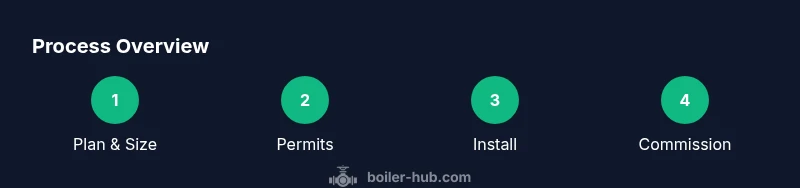
This guide helps homeowners and facility managers replace a boiler safely and effectively. You’ll learn sizing considerations, permitting basics, and essential safety steps before, during, and after installation. The steps cover removal, new unit placement, venting, piping, and commissioning, plus post-install checks. Have a clear plan, an approved budget range, and the right tools to ensure a compliant, efficient replacement.
Why replace a boiler now
A boiler replacement is not just about upgrading to a newer model; it’s about improving reliability, comfort, safety, and energy efficiency for years to come. According to Boiler Hub, aging boilers often lose efficiency and become more prone to failures, leaks, and uneven heating. A properly planned replacement can reduce cold snaps, eliminate stubborn hot-water shortages, and deliver more consistent indoor temperatures. It also reduces the likelihood of emergency repairs that disrupt housing or building operations. When deciding whether to repair or replace, homeowners and facility managers should weigh the boiler’s age, maintenance history, fuel type, and the home’s overall heating load. If you notice frequent repairs, rising energy bills, rumbling noises, or frequent cycling, it may be time to replace. A well-chosen, correctly installed boiler will operate more efficiently, which means lower energy use and better control of comfort levels. Boiler Hub’s guidance emphasizes planning, professional sizing, and careful installation to maximize long-term value. The goal is a safe, reliable heat source that meets current codes and your future needs. This section sets the stage for practical steps, including sizing, permitting, and choosing the right equipment for your home or facility.
Before you begin, ensure you have a clear project scope, a reasonable budget, and access to the right professionals. If you’re a homeowner, consider how the replacement could affect hot-water supply, radiator balance, and overall energy costs. For facilities, plan for potential downtime and coordinate with building management, tenants, or occupants. The Boiler Hub team also reminds readers that professional involvement is critical for gas piping, venting, and safety-critical elements. The aim is not just to swap units, but to upgrade the entire heating system for improved safety, efficiency, and long-term performance.
Sizing and selecting the right boiler
Choosing the correct boiler size and type is foundational to a successful replacement. An oversized unit wastes fuel and short-cycles, while an undersized system struggles to meet demand during cold snaps. The industry standard for determining heat load is a Manual J calculation, which a licensed heating professional can perform. This process considers your home’s or building’s insulation, windows, occupancy, hot-water needs, and climate. In modern homes, condensing boilers with high AFUE ratings are common and maximize energy savings, while combi (combination) boilers are convenient for homes with modest hot-water demand. For larger homes or multi-zone heating, a low-temperature, high-efficiency system with well-designed zoning is often ideal. When evaluating options, compare: efficiency (AFUE or ERP rating in some regions), space requirements (boiler size and clearance), venting needs (type and length of vent), and integration with existing controls (thermostats, zone valves, and outdoor reset). The Boiler Hub team recommends prioritizing reliability and efficiency, but also ensuring compatibility with your current piping and distribution system. If you have an existing expansion tank or a pressurized system, verify its compatibility with the new boiler's design. As part of planning, consider future needs such as additional bathrooms or a planned retrofit that could raise hot-water demand. This sizing guidance helps you avoid costly mistakes and ensures you get the best long-term performance from your investment.
Permits, codes, and planning
Replacing a boiler is a project that intersects with safety, fire protection, and building codes. Local authorities may require a permit, inspection, or both for gas piping, venting, and combustion air provisions. Begin by checking with your city or county building department to determine permit requirements, inspection timelines, and any documentation you must provide (equipment specs, installation diagrams, and contractor credentials). Building codes commonly cover vent integrity, ignition sources, combustion air, leakage testing, and proper clearances from combustible materials. Plan the process with a licensed contractor who can coordinate gas line work, vent installation, electrical connections, and permit sign-off. A well-planned replacement minimizes downtime and avoids surprises during inspection. The Boiler Hub team emphasizes timing your project to align with utility shutoffs, supplier lead times for the selected boiler, and any required inspections. Documentation is key: keep product manuals, warranty information, and inspection reports in one easily accessible folder for future service or resale. In addition, consider scheduling a final commissioning appointment after the installation to verify safety devices, such as carbon monoxide detectors and pressure relief valves, are functional. This planning phase ensures compliance, safety, and a smooth, traceable installation process.
Removing the old boiler and preparing the space
Removal and site preparation are critical to a clean, safe replacement. Begin by turning off all power to the old unit, shutting off gas supply, and isolating the heating system to prevent leaks or accidental ignition. Drain the system following the manufacturer’s guidelines to protect nearby surfaces and prevent scalding or chemical exposure. Disconnect electrical connections and thermostat wiring, labeling each for ease of reassembly. Then safely detach venting and piping, noting how components were configured for reference during installation. It’s common to photograph the setup before disassembly to aid the new installation. Prepare the space by cleaning the area, ensuring adequate clearance around the new unit, and protecting flooring with drop cloths or inlay mats. If the old boiler is heavy or awkward, schedule mechanical assistance and use proper lifting techniques to prevent back injuries or equipment damage. Environmental considerations matter: arrange for proper disposal of the old boiler according to local regulations and recycling guidelines. Once the old boiler is removed, inspect the vent and condensate lines for corrosion, blockages, or damage that could affect the new installation. This block emphasizes safety and organization, which are essential to a successful replacement and a clean transition to the new system.
Key takeaway: A meticulous removal and space preparation reduce installation time and prevent damage to your home.
Installing the new boiler: venting, piping, and controls
The installation phase is the core of the project and requires careful adherence to manufacturer instructions and local codes. Begin by mounting the new boiler on a stable, level surface, aligning it with the venting path and cold-water supply. Install the proper venting system (vertical or sidewall), ensuring all joints are sealed and the run is within code-prescribed length limits. Connect the gas supply using approved materials and fittings, following gas codes and leak-check protocols. Then install heating and domestic hot-water piping, making sure to use the correct fittings, clamps, and insulation. Include an expansion tank or pressure-relief components as dictated by the system design, and preserve clear access to service ports and control boxes. Install or reconnect electrical power and thermostat wiring, linking to the same zoning strategy as the old system if applicable. Tie the boiler into the existing hydronic distribution, balancing valves, and pumps. Calibrate controls and setpoints to the recommended temperatures and outdoor reset if your system supports it. Finally, double-check all connections for leaks, secure mounting points, and proper clearance from combustible materials. This step is technically demanding; enlisting a qualified professional is strongly advised to ensure safe venting, accurate gas pressure, and a reliable electrical connection. The right setup will deliver a safe, durable heating system with optimized performance.
Pro tip: Keep a copy of the installation manual and label all new wires and pipes for future service.
Electrical, gas connections, and commissioning
With the boiler physically installed, the next critical phase is commissioning. Begin by verifying electrical supply, grounding, and correct wiring of control circuits, zone controls, and the thermostat. Confirm gas pressure at the appliance according to the manufacturer’s specification and check for any gas leaks with an approved detector. Replace or install any required flame sensors, ignition electrodes, and safety devices, then perform a controlled ignition sequence to confirm reliable ignition. Bleed air from the system and fill it with clean water, ensuring the system pressure remains within the recommended range. Install all safety devices, including a condensate drain, pressure relief valve, and carbon monoxide detectors near living spaces. Test the boiler’s automatic functions, such as temperature controls, outdoor reset, and boiler protection features, to ensure they respond correctly to set points and load changes. If the system includes radiant or underfloor heating zones, balance the circuits to achieve even heat distribution. Document the commissioning results and retain manufacturer certificates for warranty validation. The commissioning phase confirms safe operation, proper efficiency, and long-term reliability of your new boiler. Boiler Hub emphasizes thorough testing and documentation to protect occupants and property.
Note: Do not skip air elimination or leak testing; these steps guard against air in the system and hidden leaks that can shorten equipment life.
Post-install testing, balancing, and safety checks
After commissioning, perform a comprehensive set of post-install tests to verify long-term performance. Recheck the system pressure, ensure the expansion vessel is properly charged, and monitor for any new leaks around joints, valves, and connections. Balance the system by adjusting flow rates and temperature differentials across zones so that each area reaches comfort targets without overworking any single pump. Inspect the vent terminal for correct clearance, soot, and proper exhaust, and verify that CO detectors are functioning. Schedule regular maintenance visits in the first months after installation to catch any settling issues or minor adjustments that arise as the system stabilizes. If you notice persistent irregular noises, cold spots, or uneven hot-water supply, consult a professional to avoid more significant problems later. This is also a good time to review warranty coverage and ensure you have a clear record of all parts and service. Boiler Hub’s guidance supports proactive follow-up to protect your investment and ensure ongoing safety and efficiency.
Common pitfalls and Boiler Hub best practices
Replacing a boiler is a substantial project with many potential missteps. Common pitfalls include underestimating the space required for installation, choosing a boiler that doesn’t match your heat load, improper venting, and neglecting combustion air or vent clearances. Always verify that gas piping and electrical work meet local codes and that all safety devices are installed and tested. In addition, do not neglect documentation — keep manuals, permits, inspection records, warranty information, and service notes organized for future maintenance. Boiler Hub recommends working with a licensed contractor for gas piping, venting, and final commissioning, even if you plan to handle some non-safety tasks. This approach reduces risk, protects safety, and helps you exploit the full benefits of the new equipment. A well-executed replacement also improves indoor comfort, reduces energy waste, and supports long-term reliability. Remember that, while equipment warranties and installation standards vary, following official guidelines and code requirements remains essential for a safe and compliant installation.
Tools & Materials
- Safety gear (gloves, goggles, hearing protection)(ANSI-rated PPE; protect eyes and hands during removal and installation)
- Wrench set (adjustable and fixed sizes)(Open-ended or box-end wrenches for tight fittings)
- Pipe wrenches(Different sizes for rigid pipes and fittings)
- Torque wrench(To meet manufacturer torque specs on fittings)
- Gas leak detector and soap solution(For initial and ongoing leak checks)
- Vent kit, connectors, and sealant(Materials appropriate to the chosen vent path)
- Copper piping, fittings, and insulation(Standard sizes per the system design)
- Sealants and PTFE tape(Gas-rated where applicable)
- Pressure gauge and manometer(For system charging and leak testing)
- Electrical meter and wiring accessories(For wiring and grounding checks; consult a licensed electrician)
- Expansion tank and related fittings(As specified by your boiler model and system design)
- Thermostat and zone controls(For proper system zoning and control)
- Lifting equipment and protective mats(Needed for heavy units; arrange helper assistance)
Steps
Estimated time: Estimated total time: 12-24 hours (plus permits and inspections as required)
- 1
Survey site and select replacement
Assess the space, confirm clearances, and review the chosen boiler model for compatibility with existing piping and radiant zones. Verify heat load, system type, and future needs. This step sets the foundation for a successful install.
Tip: Document existing piping and take photos before removal to guide the new layout. - 2
Obtain permits and schedule installation
Check with your local authority about required permits and inspections for venting, gas piping, and electrical work. Schedule the installation window to minimize disruption and ensure utility shutoffs are planned.
Tip: Have the contractor provide permit documentation and a timeline in writing. - 3
Shut off utilities and prepare safety measures
Turn off power to the boiler and shut off the gas supply. Isolate the heating system and declare a work zone with clear access paths. Ensure smoke and CO detectors are functional during the process.
Tip: Use a gas detector to verify zero leakage before starting work. - 4
Remove the old boiler and disconnect piping
Carefully disconnect water, gas, and electrical connections. Drain the system per manufacturer instructions and detach venting. Move the unit away from walls, keeping the area clean and accessible for the new installation.
Tip: Label each connection to simplify reassembly. - 5
Prepare space and install mounting
Prepare a level base or wall mount for the new boiler. Verify clearance around the unit for service and ventilation. Install mounting hardware and secure the new boiler in place.
Tip: Check the floor and wall anchor ratings to support the boiler’s weight. - 6
Connect venting, gas, and water lines
Attach venting according to the boiler’s instructions, ensuring correct slope and clearance. Connect the gas line with approved fittings and test for leaks. Install water supply and return lines with proper insulation.
Tip: Use approved sealants and verify all joints before pressure testing. - 7
Electrical connections and controls
Wiring should follow the manufacturer’s schematic and local codes. Connect thermostat and zone controls, power the unit, and verify control signals and safety interlocks are operating.
Tip: Coordinate with an electrician if on-site wiring exceeds simple hookups. - 8
Charge, test, and balance the system
Fill the system, bleed air, and check for leaks. Verify the pressure is within the recommended range. Balance zones to ensure even heat distribution and proper hot-water delivery.
Tip: Document test results and adjust settings for optimal efficiency. - 9
Commissioning and documentation
Conduct a final commissioning run, confirm system performance, and activate warranties. Provide occupants with operating instructions and explain maintenance plans.
Tip: Keep a digital folder with manuals, permits, and service records. - 10
Post-install inspection and cleanup
Ensure the installation meets local code and safety requirements. Clean the work area, dispose of waste properly, and schedule follow-up checks if needed.
Tip: Schedule a follow-up inspection to confirm long-term performance.
Questions & Answers
Do I need a permit to replace a boiler?
In many areas, a permit is required for gas piping, venting, and electrical work related to boiler replacement. Check with your local building department and your contractor for the exact requirements and inspection schedule.
Yes, often you need a permit for boiler replacement, especially for gas and venting work. Check with your local authority and the installer.
Can I replace a boiler myself without a licensed professional?
Boiler replacement involves gas piping, venting, and electrical work that pose safety risks. Most jurisdictions require licensed professionals for at least the gas and venting portions. Consider DIY only for non-safety tasks and consult a pro for critical steps.
It's generally not recommended to replace a boiler yourself due to safety and code issues. Hire a licensed professional for the critical parts.
What boiler type should I choose for a small home?
For small homes, a compact condensing boiler or a combi boiler can offer efficient space-saving options with good hot-water delivery. Size should be based on load calculations and hot-water needs, not just space availability.
For a small home, a compact condensing or combi boiler is often ideal, but sizing matters for efficiency.
What maintenance is required after replacement?
Schedule professional annual servicing, check safety devices, bleed air as needed, inspect vents and condensate lines, and monitor pressure. Regular maintenance preserves efficiency and safety and can extend boiler life.
Schedule annual service and keep an eye on pressure and venting for optimal performance.
How long does a typical boiler replacement take?
Duration varies by house size, system complexity, and permitting. A typical replacement can span a day or two, with additional days for inspections or scheduling constraints.
It often takes a day or two, depending on permits and the system layout.
Will a new boiler save energy?
Modern high-efficiency boilers can reduce energy consumption compared to older models, especially when paired with proper zoning and controls. Savings depend on installation quality and how well the system is balanced.
Yes, newer high-efficiency boilers plus proper controls can reduce energy use.
Watch Video
Key Points
- Plan with sizing, permits, and space in mind
- Choose the right boiler type for your load and future needs
- Ensure safe venting, gas, and electrical connections
- Commission thoroughly and document all steps
- Maintain the system to protect efficiency and safety