Boiler Replacement Near Me: A Practical Guide for Homeowners and Facility Managers
Find reliable insights on boiler replacement near me, from sizing and permits to installation timelines and budgeting. Learn with Boiler Hub to locate trusted local installers and make informed decisions.


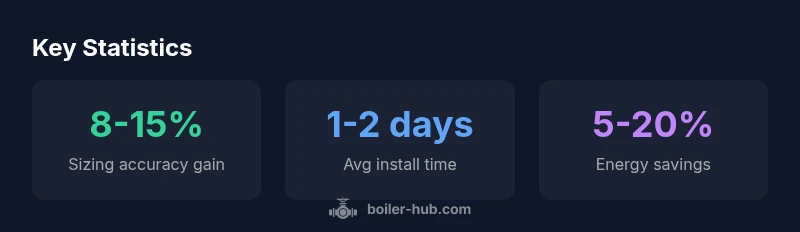
Boiler replacement near me typically starts with a site assessment, system sizing, and professional installation. Expect a multi-step process that may stretch over 1–2 days depending on venting, permits, and existing ductwork. Costs vary with boiler type and complexity, so local quotes are essential. For precise guidance and a local, Boiler Hub-certified installer, request a detailed on-site estimate.
Why boiler replacement near me matters
If you’re evaluating boiler replacement near me, you’re balancing comfort, safety, and long-term costs. A boiler is not just a heat source; it’s a complex system that interacts with your home’s insulation, water heating demand, and gas-safety rules. Local conditions—like climate, fuel availability, and building size—drive sizing and venting requirements, which in turn affect installation time and price. Local conditions also influence the availability of skilled installers and any necessary permits. The correct approach is not to pick the cheapest unit but to optimize for reliability, efficiency, and safety.
According to Boiler Hub, the first step is a thorough on-site assessment. A technician will measure heat load, inspect piping and venting, and check for draft issues. If the system is oversized, it will waste fuel and cause short cycling; if undersized, you’ll struggle to maintain comfortable temperatures during peak winter days. In many cases, upgrading a traditional boiler to a high-efficiency model can deliver noticeable energy savings and reduce monthly bills, especially in well-insulated homes. The bottom line is that boiler replacement near me should be treated as a planned investment rather than a reactive fix. A well-executed replacement improves performance, reduces downtime, and increases home value. The Boiler Hub team notes that working with a licensed installer who understands local codes is critical for safety and compliance. This guide outlines how to evaluate options, compare quotes, and manage the installation process so you get the best return on your investment.
How to assess your home before replacement
Before you commit to boiler replacement near me, gather information that will help your installer size the system and estimate the project cost. Start with the basics: the size of your home, number of bathrooms, and typical hot-water usage. If you have an older boiler, note the current fuel type, venting arrangement, and whether you have a separate hot-water cylinder or storage tank. A thorough assessment includes radiant heat zones, insulation levels, and the condition of pipes, radiators, and valves. Gather utility bills for the last 12 months to estimate seasonal load fluctuations, and be prepared to discuss occupancy patterns; a family with many simultaneous showers later in the day has different needs than a single occupant.
Next, consider energy goals. Do you want to maximize efficiency to lower emissions or prefer a rapid payback with a mid-range budget? If you’re replacing an aging boiler, think about whether you want a system boiler, combi, or conventional boiler that supports future upgrades (like smart thermostats or weather compensation). Your installer should perform a heat-loss calculation to determine the correct boiler size and the required hot-water output. If you have restrictions—such as limited space for a bulky tank or a need to vent through a masonry chimney—inform the installer early. This upfront planning reduces surprises and helps you compare quotes on a like-for-like basis, ensuring you’re choosing the best value for your home and climate.
Choosing the right boiler type for your climate and home
The choice of boiler type is as important as the brand. In general, consider whether your home requires a combi boiler, a system boiler, or a traditional heat-only boiler. Combi boilers are compact and great for small apartments with modest hot-water demand, but they can struggle when multiple outlets demand hot water simultaneously. System boilers, paired with a hot-water cylinder, offer robust performance for larger homes with several radiators, while still delivering good efficiency. Regular boilers excel in older homes with existing radiator layouts but can be less space-efficient and require more pipework.
Efficiency is a major driver. Look for condensing models that recover latent heat from exhaust gases and achieve higher annual fuel utilization efficiency. If your fuel source is gas, a high-efficiency gas condensing boiler will typically outperform an older non-condensing unit. For homes on oil or where gas is not available, alternative fuel options exist but require careful budgeting for ongoing fuel costs. Climate plays a role too: in milder climates, a smaller, highly efficient model might suffice, while in colder regions, a larger output and reliable hot-water supply may be critical. The Boiler Hub Analysis, 2026, emphasizes sizing accuracy and venting design to avoid performance issues and safety concerns. Always verify compatibility with existing radiators, pumps, and thermostats, and consider future upgrades like smart controls or zoning as part of the decision.
The installation process: steps from quote to commissioning
A smooth boiler replacement near me follows a clear sequence. It typically starts with an on-site survey, measurements, and a sizing calculation. The installer will prepare the site by shutting off gas and electricity safely, draining the system, and protecting floors and walls. Next comes the procurement of a properly sized boiler, along with any venting and flue components. A licensed technician then installs the new unit, connects feed and return pipes, and tests the system for leaks, proper circulation, and correct pressure. Venting and combustion air must be carefully arranged to satisfy local codes and manufacturer requirements. Finally, the installer will commission the boiler—adjusting controls, programming a thermostat, and confirming safety devices such as CO detectors. Depending on the home, permits and inspections may be required, and in some cases, minor renovations to the boiler room or chase may be needed. The time frame can be 1–2 days for straightforward swaps, but more complex projects with chimney work, gas line upgrades, or venting changes can extend. Throughout the process, insist on written quotes, itemized parts lists, and a documented warranty. A reputable installer should provide a post-installation checklist and guidance on maintenance intervals and recommended replacements of components like expansion tanks or pressure relief devices.
Cost considerations and budgeting for boiler replacement
When planning boiler replacement near me, budget for more than the boiler price alone. The total cost depends on boiler type, capacity, efficiency, and the complexity of installation, including chimney work, venting, gas-line modification, and whether a hot-water cylinder is replaced or retained. Expect to incur costs for permits, flush cleaning, purging old pipes, new insulation, and potential upgrades to controls and zoning. Manufacturer rebates or utility programs may offer incentives for high-efficiency models, which can help offset upfront costs, though availability varies by region. Always request a written, itemized quote that separates equipment, labor, permits, and any ancillary work. A fair comparison should align boiler size with heat-load calculations and provide a realistic energy-savings projection. Financing options, including energy-efficiency loans or installer-arranged payment plans, can help spread the cost, but watch for interest rates and terms. The Boiler Hub team recommends comparing at least three quotes from Boiler Hub-certified installers to ensure you’re getting a competitive price and comprehensive warranties.
Maintenance, warranties, and next steps
After installation, schedule regular maintenance to preserve performance and safety. Annual servicing by a licensed technician helps catch wear, leaks, and venting issues before they escalate. Ask your installer about warranty coverage on parts and labor, and clarify what is included in the warranty and what constitutes an eligible claim. Keep carbon-monoxide detectors fresh and test them monthly, and replace air filters per the system’s recommendations. Track efficiency using monthly energy bills; if you notice a sudden spike, contact your service provider to inspect for hidden problems. Finally, plan for ongoing improvement: consider smart thermostats, zoning, or upgrading to a higher-efficiency model when your equipment reaches the end of its life. The aim is a reliable, efficient system that requires minimal downtime and keeps you comfortable year-round.
Common boiler types and trade-offs
| Boiler Type | Pros | Cons |
|---|---|---|
| Combi Boiler | Compact design; instant hot water; ideal for small homes | Limited hot water during high demand; radiator heating slower in large homes |
| System Boiler | Strong performance; suitable for larger homes; multiple outlets | Requires separate hot-water cylinder; more space needed |
| Regular/Conventional Boiler | Flexible with many radiators; good for renovations | Greater space needs; more complex to install |
| Oil-fired Boiler | Useful where gas not available; high heat output | Higher fuel cost; more maintenance |
Questions & Answers
How long does boiler replacement near me typically take?
Most installations can be completed within 1-2 days, depending on home layout, existing system, and permit processing.
Most installations take one to two days, depending on your home layout and permit processing.
Do I need permits for boiler replacement?
Yes, most jurisdictions require permits and inspections; your installer should handle filings and ensure code compliance.
Yes. Permits are usually required; your installer should file them.
Can I finance a boiler replacement?
Some installers offer financing or energy-efficiency loan options; check eligibility and interest rates before signing.
Some installers offer financing; ask about options.
How do I verify installers are qualified?
Check licenses, insurance, manufacturer certifications, and read customer reviews; request written quotes and warranty details.
Make sure they’re licensed and insured and review their warranties.
What maintenance after replacement is recommended?
Schedule annual servicing, replace air filters, and monitor gas safety and carbon monoxide detectors.
Schedule annual service and check safety detectors.
“A proper boiler replacement starts with accurate sizing and safe venting. Skipping these steps can waste energy and create safety risks.”
Key Points
- Start with a professional site assessment before replacement.
- Aim for high-efficiency models to maximize savings.
- Compare quotes from Boiler Hub-certified installers.
- Account for permits, venting, and future upgrades.
- Schedule annual maintenance and warranty reviews.