Is Replacing a Boiler Hard? A Step-by-Step Guide to Boiler Replacement
Discover whether replacing a boiler is hard, what planning and safety steps are needed, how to choose an installer, and a clear step-by-step process to replace your boiler with confidence.


Replacing a boiler can range from straightforward to complex, depending on fuel type, venting, and required permits. This guide walks you through planning, choosing the right boiler, safety considerations, and the installation process. According to Boiler Hub, most homeowners benefit from professional installation for the actual swap, even when planning and preparation are handled by the homeowner.
The big picture: what replacing a boiler involves
Replacing a boiler is more than dropping in a new unit. It requires evaluating existing fuel type, venting, and piping; selecting an appropriately sized unit; securing any local permits or code approvals; coordinating with a licensed installer; and performing post-installation commissioning to verify safe operation. The project touches gas lines, electrical connections, venting, and water circuits. Planning is essential to avoid undersized or oversized performance, draft problems, or venting issues that can compromise safety and efficiency. This stage sets the foundation for a reliable, energy-efficient heating system and may influence long-term energy bills, comfort, and reliability.
Assessing your current system and compatibility
Before choosing a replacement boiler, you must understand your current setup. Identify whether you have a combi, system, or regular boiler, and note the fuel source (gas, oil, or propane). Check the existing venting arrangement, chimney compatibility, and the radius of the flue. Determine if the current circulator pump and controls can be reused, or if an upgraded control strategy (smart thermostat, outdoor reset, or weather compensation) would improve efficiency. Compatibility isn’t only about the boiler itself; it includes piping, sizing, venting, and the electrical supply. A mismatch here can cause efficiency losses or safety concerns. The Boiler Hub team emphasizes that compatibility checks save time and avoid post-install surprises.
Planning and budgeting: understanding costs and financing options
There is no one-size-fits-all price tag for boiler replacement. Costs vary with boiler type, efficiency rating, installation complexity, and local labor rates. You’ll need to budget for the unit, installation, venting or chimney work, permits, and potential indirect costs such as upgrading piping or controls. Expect that some jobs will require ductwork or insulation improvements to maximize efficiency. Financing options, rebates, and warranties can influence the overall cost, so gather multiple quotes and compare what each includes. Boiler Hub recommends obtaining a written plan that outlines equipment, labor, permits, and a detailed timeline.
Permits, codes, and safety: what you must know
Gas-fired boiler replacement typically requires a permit and a safety check by a licensed professional. Codes govern venting diameter and routing, combustion air requirements, and clearance from combustibles. A failed permit or poor venting creates risk of carbon monoxide exposure and inefficient combustion. Electrical work associated with modern boilers may also require a licensed electrician. Always verify that the installer is bonded and insured, and request documentation of any inspections that will be performed during commissioning. Safety and code compliance protect occupants and ensure the warranty remains valid.
Choosing the right installer: questions to ask
Selecting an installer is as important as selecting the boiler itself. Look for a contractor with current gas or oil certifications, licensing appropriate to your region, and a demonstrated track record with the exact boiler model or similar systems. Ask for written quotes, the scope of work, and a timeline. Request references and proof of past installations, and clarify who handles permits and inspections. A clear written agreement helps prevent scope creep and ensures both parties share expectations for performance, warranty, and follow-up service.
The replacement process: what actually happens
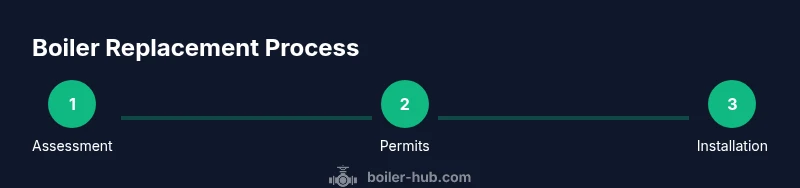
The replacement process generally proceeds from assessment and permitting to installation and commissioning. The installer will shut off and isolate gas, water, and electricity, drain the system, disconnect the old boiler, remove it, and prepare the space for the new unit. The new boiler is installed, venting and exhaust are connected, the gas line and electrical connections are configured, and the system is filled and purged of air. Finally, the installer conducts safety checks, tests operating temperatures, and verifies warranty and documentation. Expect a thorough safety inspection before return to service.
Maintenance after replacement: getting the most from your new boiler
A new boiler deserves a proactive maintenance plan. Schedule annual professional servicing to inspect heat exchangers, burners, seals, and venting. Change or clean filters if applicable, verify pressure settings, and test safety devices. Upgrading to a smart thermostat or zoning controls can improve efficiency and comfort. Keep a record of maintenance and annual inspections for warranty validity and future resale value. A well-maintained boiler is more reliable and efficient over its lifespan.
Common pitfalls and how to avoid them
Avoid common errors that lead to costly repairs or unsafe operation. Do not overlook permits or misinterpret code requirements; undersized venting or incorrect gas connections are frequent safety hazards. Avoid choosing a boiler solely on upfront price; higher efficiency units may save money long term. Mismatching the boiler’s BTU rating to the home’s heat load can cause short cycling and poor comfort. Ensure the installer confirms venting compatibility, fuel type, and warranty coverage before signing a contract.
Is replacing a boiler hard: final considerations and next steps
Is replacing a boiler hard? It can be, but with proper planning, professional help, and a clear scope, many homeowners navigate the process successfully. The key is to map out the installed system’s requirements, secure necessary permits, and work with a qualified technician who can handle the external systems (gas, venting, electrical) as well as the boiler itself. If you’re unsure, start with a professional assessment to determine the best path forward and set expectations for timelines, costs, and outcomes.
Tools & Materials
- Wrench set (adjustable and fixed)(Include 12-inch pipe wrench for tight pipe connections)
- Screwdrivers (flathead and Phillips)(Flat and Phillips sizes to fit boiler components)
- Pipe cutter and deburring tool(Copper/PEX piping suitable for new connections)
- Gas-rated thread sealant and Teflon tape(For gas connections and seals)
- Torque wrench(To achieve proper bolt torque on boiler flanges)
- Vent piping materials (PVC or appropriate metal vent kit)(Matched to boiler model and codes)
- Multimeter or electrical tester(Verify 120V systems and controls)
- Leak detector solution(Fundamental for gas and water leaks)
- Safety gear (gloves, goggles, hearing protection)(Personal protection for all steps)
- New boiler unit (replacement model)(Must be sized for home heating load)
- Permits and documentation folder(Keep permit numbers and inspections accessible)
Steps
Estimated time: 6-12 hours total depending on site complexity and permit timing
- 1
Survey and select a replacement boiler
Assess your heating load, choose a boiler type (combi, system, or regular), and determine efficiency targets. Compare models that fit your home’s BTU requirements and venting compatibility. This step sets the foundation for an efficient, safe replacement.
Tip: Consult a load calculation to avoid oversizing or undersizing. - 2
Secure permits and schedule licensed installer
Identify local permit requirements and schedule a licensed contractor with demonstrable boiler replacement experience. Ensure the installer obtains permits and coordinates inspections.
Tip: Get a written contract with a clear scope and timeline. - 3
Shut off services and prepare the workspace
Isolate gas, water, and electricity to the boiler. Clear the area, protect floors, and gather tools and materials. Confirm all safety devices are functional before work begins.
Tip: Label shutoff valves to prevent accidental re-energizing. - 4
Disconnect and remove the old boiler
Carefully detach gas line, water lines, vent, and electrical connections. Drain the system and remove the unit, following proper disposal guidelines.
Tip: Check the existing venting for blockages or corrosion during removal. - 5
Prepare the installation space for the new boiler
Inspect mounting surface, clearances, and vent path. Install any new studs, brackets, or supports required by the new unit.
Tip: Ensure the floor is level and the base is solid to reduce vibration. - 6
Install the new boiler and connect utilities
Position the unit, connect gas supply, cold/hot water lines, and electrical wiring. Attach venting and condensate disposal components as specified by the model.
Tip: Follow manufacturer instructions precisely to avoid warranty issues. - 7
Commission and test the system
Fill the system with water, purge air, and test for leaks. Run ignition and verify flame stability, pressure, and operating temperatures. Check safety devices and CO emissions where applicable.
Tip: Record initial pressures and temperatures for future diagnostics. - 8
Address adjustments and calibrations
Calibrate the thermostat, outdoor reset, and any zoning controls. Confirm energy-saving features function correctly and that the system maintains setpoints.
Tip: Test different heat settings to ensure consistent response. - 9
Document, dispose, and hand over
Provide manuals, warranty information, and inspection reports. Arrange safe disposal of the old boiler and keep a copy of the installation paperwork.
Tip: Keep a maintenance schedule and set reminders for annual service. - 10
Plan post-install maintenance
Schedule annual service with the installer or a trusted technician. Review performance data after the first heating season to ensure efficiency targets are met.
Tip: Set up notifications for service reminders.
Questions & Answers
Is replacing a boiler hard for a typical homeowner to do on their own?
Replacing a boiler can be challenging and potentially dangerous due to gas, electrical, and venting work. Most homeowners should plan to hire a licensed technician for the critical steps, even if some planning tasks are performed independently.
Replacing a boiler can be difficult and risky for a nonprofessional. It's usually best to hire a licensed technician for the installation.
What permits are usually required for boiler replacement?
Permit requirements vary by location but typically involve gas line work, venting changes, and safety inspections. Your installer should handle permit submission and coordinate inspections as part of the project.
Permits vary by area, but gas and vent work commonly require approval and inspection.
Can I replace a boiler myself to save money?
DIY boiler replacement is not recommended due to safety risks and code compliance. A licensed professional ensures correct installation, safe venting, and warranty validity.
DIY boiler replacement isn’t advised; go with a licensed professional for safety and warranty.
How long does a typical boiler replacement take?
A standard replacement usually takes a half-day to a full day, depending on site access, venting work, and any necessary piping upgrades. Complex jobs can take longer.
Most replacements take half a day to a full day, longer if venting or piping changes are needed.
What maintenance should follow a boiler replacement?
Schedule annual servicing to inspect burners, heat exchangers, and venting. Keep up with filter changes and thermostat calibrations to maintain efficiency.
Book yearly service to keep burners and vents in good shape and maintain efficiency.
Will upgrading to a higher-efficiency boiler reduce my bills?
Higher-efficiency boilers typically reduce operating costs over time, especially in homes with variable heating demand and improved control strategies.
A more efficient boiler often lowers operating costs over time with better controls.
Watch Video
Key Points
- Identify boiler type and load before selecting a replacement
- Permits and professional installation are often essential
- Venting, gas, and electrical work require certified trades
- A well-planned replacement reduces risk and improves efficiency
- Maintain the system with annual servicing