How to Remove a Boiler: Safe, Professional Step-by-Step Guide
A comprehensive, safety-first guide from Boiler Hub on removing a boiler. Learn prerequisites, professional steps, permits, and disposal options to ensure compliance and safe decommissioning.


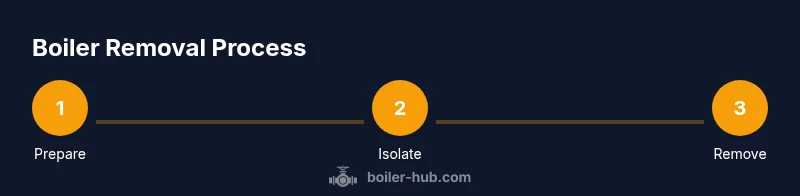
This guide explains how to remove a boiler safely and legally, emphasizing professional involvement. You will learn prerequisites, safety steps, and disposal options. Before you begin, identify your boiler type, shut off fuel and electrical supplies, and coordinate licensed removal and disposal with your local authority. Boiler Hub stresses that DIY demolition can create hazards and compliance risks.
Why removing a boiler requires professional involvement
Removing a boiler is a substantial mechanical and safety task that affects your home’s heating system, gas lines, electrical safety, and overall building codes. Even when a boiler appears simple to isolate, the process involves depressurizing fuel lines, ensuring there is no hidden gas leakage, and safely handling heavy equipment. For homeowners and facility managers seeking reliable boiler guidance, this is not a DIY project to rush. The Boiler Hub team underscores that improper removal can lead to gas leaks, carbon monoxide risks, and insurance complications. A professional takes responsibility to verify all safety protocols, confirm local code compliance, and arrange proper disposal or recycling of the unit. If you’re unsure about the system type, connection layout, or disposal options, pause and consult a licensed boiler technician. The goal is a safe, compliant removal with a documented handoff to the next heating solution. In short, how to remove a boiler should start with expert involvement and clear regulatory understanding.
wordCountWarning
Tools & Materials
- Gas shutoff valve/service disconnect(Shut off the gas supply at the main service valve before any work begins.)
- Electrical disconnect (breaker or switch)(Disable power to the boiler to prevent electric shock during removal.)
- Personal protective equipment (PPE)(Gloves, safety glasses, steel-toe boots, and hearing protection as needed.)
- Leak detector or gas detector(Used to verify absence of gas leaks after isolation.)
- Pipe wrenches and adjustable wrenches(Tools for disconnecting fittings and lines with care.)
- Pipe cutter and deburring tool(For clean cuts on piping that cannot be safely capped on site.)
- Buckets, rags, and absorbent materials(Contain residual water or condensate from the boiler and lines.)
- Tape, markers, and labels(Label lines and cap locations for disposal or reuse records.)
- Disposal plan or contract with a licensed disposal facility(Arrange authorized removal and environmentally responsible disposal.)
- Documentation: permits and communication records(Keep copies of permits and communications for compliance.)
Steps
Estimated time: Estimated total time: 4-8 hours
- 1
Hire a licensed boiler technician
Begin with a qualified professional who can assess your boiler type, the building’s plumbing and gas layout, and local disposal requirements. They will confirm whether removal complies with codes and permits. This step reduces risk and ensures proper documentation.
Tip: Schedule an on-site assessment and request a written removal plan before any work starts. - 2
Notify stakeholders and secure access
Inform building occupants and, if applicable, nearby neighbors about the planned removal. Ensure access to the boiler room, utility shutoffs, and disposal routes. A clear access plan minimizes delays on removal day.
Tip: Have a contact list ready for the technician and utility companies. - 3
Shut off energy and fuel supplies
The professional will shut off the gas supply at the main service valve and switch off the electrical power at the boiler’s disconnect. Do not attempt to disable gas or electricity without the proper tools and training. This prevents ignition or electrical hazards during removal.
Tip: Never tamper with gas lines or electrical circuits yourself. - 4
Isolate and depressurize lines
The technician isolates water, gas, and vent connections and relieves pressure where safe. This step reduces the risk of leaks and spray when lines are detached. Expect some residual moisture to be managed with absorbent materials.
Tip: Use containment trays to catch any residual condensate or fluids. - 5
Drain and remove fluids
Drain the boiler’s residual water from the system into approved containers. Proper drainage prevents spills that could damage floors or create slip hazards. The technician will determine the safest drainage method based on system type.
Tip: Keep spill containment ready and have a plan for disposing of collected fluids. - 6
Detach and uninstall the boiler
The unit is carefully unbolted from its mounting, disengaged from piping, and moved to a safe staging area. Heavy lifting is performed with appropriate equipment to avoid injuries or damage. The team ensures all fittings are capped or sealed for safety.
Tip: Maintain upright handling to avoid gas or condensate leakage. - 7
Cap lines and label for disposal
Cap the gas and water lines, label each line, and document the disconnection points. This creates a clear record for future owners or service providers and helps with decommissioning paperwork.
Tip: Take photos of the final disconnections for your records. - 8
Site cleanup and disposal
The job ends with a thorough cleanup. The boiler is removed from the premises and sent to a licensed disposal or recycling facility. The area is restored, with all dust, debris, and fluids managed according to local environmental guidelines.
Tip: Request a disposal receipt and certificate of decommissioning for your files.
Questions & Answers
Is it legal to remove a boiler without replacing it?
Legal requirements depend on local codes and whether the system will be decommissioned or replaced. A licensed professional can advise on permits and proper decommissioning.
Local codes vary, so consult a licensed technician to confirm decommissioning steps and permits.
Do I need a permit to remove a boiler?
Many jurisdictions require permits or notifications for decommissioning or removing a boiler, especially when gas lines or venting are involved. Check with your local authority and the contractor before starting.
Permits are often required for decommissioning; your technician will guide you through the process.
What about disposal and recycling?
Boiler units can be recycled or disposed of at licensed facilities. Your removal professional should handle documentation and ensure compliance with environmental rules.
Disposal is typically handled by the contractor at an authorized site.
Will removing a boiler affect home insurance?
Removing a boiler can affect coverage; inform your insurer and provide decommissioning records. They may require updates or endorsements.
Check with your insurer to avoid gaps in coverage after decommissioning.
How long does the boiler removal process take?
Time varies with system type, accessibility, and whether replacement work follows. A licensed professional will provide a realistic schedule after site assessment.
It depends on the setup but expect a multi-hour process when coordinated with replacement.
What safety equipment is required for removal?
Expect PPE like gloves, goggles, and steel-toe boots, plus gas detectors and proper tools. The technician ensures all safety measures are in place.
PPE and detectors protect against gas and electrical hazards during removal.
Watch Video
Key Points
- Plan removal with a licensed professional before any work.
- Shut down gas and electrical supplies safely and verify no leaks.
- Disposal planning is essential—use a licensed facility and keep receipts.
- Label and document all disconnections for future reference.
- Consider safer alternatives or decommissioning if a full replacement is not needed.