How to Remove Pressure from Boiler: A Practical Guide
Learn how to safely relieve boiler pressure with our comprehensive guide. From safety checks to precise drainage steps and prevention tips, Boiler Hub walks homeowners through reliable methods to remove pressure from boiler without risking damage.


By following these steps you will learn how to remove pressure from boiler safely and effectively. This quick guide covers checking gauges, isolating power, releasing through the correct relief path, and rechecking the system. According to Boiler Hub Analysis, 2026, always power down and allow the boiler to cool before touching valves, and never bypass safety devices.
What is boiler pressure and why it matters
Boiler pressure is the force of water inside your heating system as it circulates. When pressure is too high, components such as the pressure relief valve, gaskets, and heat exchanger can wear faster or fail, potentially causing leaks or dangerous releases. Low pressure, on the other hand, can reduce heating efficiency and trigger fault codes. Understanding the normal operating range for your boiler model is essential; typically, residential systems run around 1 to 2 bar when cold and up to 1.5 to 2.5 bar when hot, but your manual or boiler label will specify exact numbers. If you notice pressure climbing rapidly after a heat cycle, or if you hear unusual banging or kettling noises, this indicates pressure dynamics are out of balance and you should investigate further. According to Boiler Hub Analysis, 2026, maintaining safe pressure is a cornerstone of boiler reliability and safety. Reminder: if you’re unsure, consult a professional. If your goal is to manage it yourself, research and follow the proper method for how to remove pressure from boiler to avoid damage.
Symptoms of overpressure and when to act
Common signs include a pressure gauge reading above the recommended range, discharge from the pressure relief valve, banging noises, or frequent fault codes. If the system repeatedly climbs in pressure after each heat cycle, or you notice damp spots around valves, it’s a clear signal that you need to address the pressure problem. In some homes, soaring pressure can trigger safety shutoffs or require boiler service. Always consult the user manual for your model to confirm safe ranges. Boiler Hub recommends treating any sudden pressure change as a potential safety issue and taking measured steps to verify the cause before attempting repairs.
Safety precautions before you start
Before you touch any boiler components, power down and switch off both the electrical supply and the gas valve if accessible. Allow the appliance to cool for at least 15-30 minutes to minimize scald risk and to reduce pressure build-up from hot water. Wear protective gloves and eye protection, and keep a bucket and towels on hand to catch drips. Do not attempt work if you notice gas odors, active leaks, or signs of corrosion. If you feel uncertain at any point, stop and seek professional help. This preparation is crucial for safely performing the steps on how to remove pressure from boiler.
Tools and safety gear you'll need
Having the right tools helps prevent accidental damage. Essentials include a boiler manual, a flat-head screwdriver, a bucket or shallow container, a radiator bleed key, adjustable wrench, and safety gloves. Keep a clean rag or cloth handy for wiping drips. Optional items include a thermometer and a digital pressure gauge for more precise readings. Always verify that the tools are clean and dry before use.
Safe methods to relieve pressure
There are a few approaches to safely reduce boiler pressure without bypassing safety features. The most controlled method is to drain a small amount of water from the boiler’s drain valve into a suitable container while the gauge is watched closely. If your system has radiator valves, bleeding radiators can also lower pressure as air escapes and water redistributes. Do not pinprick, hammer, or force any fittings; these actions can cause leaks or bursts. After releasing a small amount of water, recheck the pressure and stop when you reach the manufacturer’s recommended range.
Aftercare and prevention
Once the pressure is back within the desired range, close any valves you opened and restart the boiler following the manufacturer’s startup procedure. Recheck the pressure after a brief heat cycle to ensure it remains stable. To prevent future overpressure, schedule regular boiler maintenance, ensure the expansion vessel is functioning, and verify that the fill valve and pressure relief valve are not blocked. Keeping a log of pressure readings can help you spot trends before a fault occurs.
Common mistakes and troubleshooting
Rushing to release pressure without cooling the system can cause scalding or steam burns. Over-draining can lead to airlocks or inadequate heating. Never bypass safety devices or tamper with factory settings. If pressure returns to high levels after a drain, the cause may be a faulty expansion vessel or a stuck pressure relief valve—these require professional service.
Tools & Materials
- Boiler manual (model-specific)(Keep on hand for safe pressure range and procedures)
- Flat-head screwdriver(For drain valve or screw adjustments)
- Bucket or shallow container(To catch water when draining)
- Radiator bleed key(For any radiator bleeds if used)
- Adjustable wrench(If any fittings need attention)
- Protective gloves and eye protection(Safety first; water can be hot)
- Rags or towels(To manage drips and spills)
Steps
Estimated time: 45-75 minutes
- 1
Power down and let the boiler cool
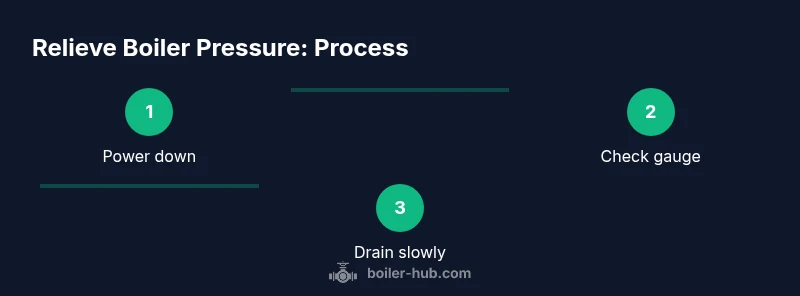
Turn off the boiler at the control panel and, if available, switch off the dedicated circuit breaker. Allow 15-30 minutes for the unit to cool to reduce scald risk and avoid rapid pressure shifts.
Tip: This minimizes burn risk and protects internal components. - 2
Confirm cold gauge reading and locate drain valve
Check the pressure gauge when the system is cool. Locate the boiler’s drain-off valve (often near the bottom) and ensure you have a bucket ready.
Tip: Take note of the current pressure before draining. - 3
Open drain valve slowly to release water
Using the appropriate valve, open slowly and steadily to allow water to escape into the bucket. Expect a gradual drop in pressure as water leaves the system.
Tip: Open slowly to avoid a sudden surge that could splash hot water. - 4
Watch pressure gauge fall to target range
Continue draining until the gauge reaches the manufacturer’s recommended range for your boiler, then close the valve firmly.
Tip: Don’t drain past the safe minimum – over-discharging can cause system issues. - 5
Repressurize if needed and restart
If the gauge shows low pressure after draining, use the fill valve to bring the system up to the correct range. Recycle power and restart the boiler according to the manual.
Tip: Recheck pressure after a heat cycle to confirm stability. - 6
Check for leaks and verify operation
Inspect connections and the drain area for leaks. If the boiler refuses to stay at the correct pressure, or if you hear leaks, stop and contact a professional.
Tip: Document the reading and any abnormal sounds or leaks. - 7
Record the reading and plan follow-up maintenance
Note the final pressure and schedule a professional check if pressure trends upward again. Regular maintenance helps prevent future overpressure events.
Tip: Keeping a log helps catch gradual changes early.
Questions & Answers
What is the safe pressure range for most boilers?
Most boilers operate around 1-2 bar when cold and may rise to about 1.5-2.5 bar when hot. Always verify with your model’s manual and the boiler’s native gauge.
Most boilers run near one to two bars when cold and rise when hot; check your manual for exact safe ranges.
Can I release pressure manually from the safety relief valve?
No. The safety relief valve is a safety device that should operate automatically. Manual venting can be dangerous and may indicate a faulty valve or system pressure.
The relief valve should operate automatically; manual venting can be dangerous and should be avoided.
What if the gauge stays high after draining?
If pressure remains high after draining, stop and seek professional help. A stuck relief valve, failing expansion vessel, or other fault can keep pressure elevated.
If pressure remains high after draining, stop and call a professional to diagnose the fault.
Is it dangerous to drain too much water?
Yes. Draining too much water can introduce air, disrupt balance, and cause the boiler to cycle improperly. Drain gradually and recheck the gauge.
Draining too much water can cause airlocks and improper heating; drain slowly and recheck.
Should I turn off gas before maintenance?
Yes. Turn off the gas supply before starting any work on a gas boiler to reduce the risk of ignition or leaks. Follow your boiler’s manual.
Always turn off the gas supply before starting maintenance on a gas boiler.
When is professional service required?
If you notice persistent overpressure, leaks, or hear gas odors, seek professional boiler service promptly to avoid accidents or further damage.
Call a professional if overpressure persists or you smell gas.
Watch Video
Key Points
- Power down and cool the boiler before handling valves.
- Relieve pressure gradually using the drain valve, not by bypassing safety devices.
- Recheck pressure after a heat cycle to confirm stability.
- Maintain a log of readings to detect trends early.