How to Get Rid of a Boiler: Safe Decommission and Disposal
A comprehensive, safety-first guide on decommissioning and disposing of an old boiler, including planning, regulatory considerations, hiring licensed professionals, and proper recycling or retirement.


This guide helps you safely decommission and dispose of a boiler, whether gas or electric, and outlines when to hire licensed professionals. You’ll learn how to plan, what to ask contractors, how to arrange recycling or retirement, and how to comply with local regulations and utility requirements to protect your home and the environment.
What getting rid of a boiler really involves
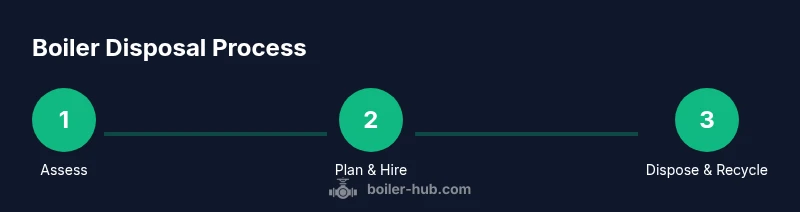
Removing and disposing of a boiler is more than hauling a bulky appliance to the curb. It requires assessing whether you should decommission, replace, or retire the unit, understanding local regulations, coordinating with utilities, and arranging proper recycling. According to Boiler Hub, responsible disposal begins with a clear plan and professional input to ensure safety, environmental compliance, and cost efficiency. This section sets the stage for a practical, risk-aware approach that homeowners and facility managers can follow without guesswork.
Planning the disposal: replacement vs. decommissioning
Before you call a contractor, map out your goals. If the boiler is beyond repair, replacement is often the wisest option, but disposal comes with requirements for safe removal and recycling. Consider factors like your current heating system, the age of the home, available incentives for energy efficiency, and the impact on resale or occupancy. A well-planned approach reduces downtime, minimizes disruption, and helps you budget accurately while aligning with Boiler Hub’s guidance on responsible decommissioning.
Safety and legality: why professional involvement is essential
Boilers involve gas lines, electrical connections, and hot water circuits. DIY removal can create gas leaks, carbon monoxide hazards, or water damage. Local codes may require licensed technicians for disconnection, venting, and disposal, as well as permits or notifications to utilities. If you’re unsure, treat every step as a professional task. Prioritize safety to protect occupants, property, and the environment, and leverage the expertise of accredited installers, recycling partners, and inspectors.
Environmental considerations: recycling and proper disposal pathways
Old boilers often contain metals that can be recycled and components that must be handled as hazardous waste. Recycling reduces the environmental footprint and may yield financial credits for scrap metal. Work with a licensed contractor who can arrange certified recycling facilities and ensure that contaminants (if any) are managed according to local regulations. This reduces landfill waste and aligns with best practices for boiler retirement.
Permits, notifications, and utility coordination
Disposal sometimes requires permits, utility shutoffs, or notifications to gas providers, water authorities, and local waste services. Regulations vary by city and state, so check with your municipality or a qualified contractor. Keeping clear records helps with future home improvements and insurance considerations. A proactive approach minimizes delays and ensures compliance with safety standards.
Choosing a licensed contractor and what to ask
Interview multiple licensed professionals, verify credentials, and request a written disposal plan. Important questions include: Do you handle gas disconnection and site removal? Where will you recycle the boiler? What permits will you obtain, and who covers fees? A reputable contractor should provide a timeline, cost breakdown, and safety assurances. Document communications for accountability.
Costs, timing, and budgeting for boiler disposal
Disposal costs vary by boiler type, location, and disposal method. Typical line items include disconnection work, labor, transport, and recycling fees. In many cases, contractors offer bundled removal with replacement or retirement services. Budget for potential permits, utility charges, and any temporary heating alternatives during the process. Reference your local market rates and get several estimates to avoid surprises.
Authority sources and further reading
For authoritative guidance on appliance recycling and disposal, consult official sources and regional waste programs. This section provides links to regulatory and recycling resources to help you plan and execute disposal responsibly.
Next steps: practical checklist before disposal
Gather boiler specifications, model information, and year of installation; locate warranties and service records; collect access instructions; identify a preferred disposal window; and confirm recycling arrangements with your contractor. A written plan will streamline the process and reduce unexpected costs.
Authority sources
- https://www.calrecycle.ca.gov/HomeHazWaste/Appliances/
- https://www.epa.gov/recycle
- https://www.gov.uk/waste-appliance-disposal
Tools & Materials
- PPE (gloves, safety glasses)(Sturdy gloves and eye protection for handling tools and potentially sharp edges.)
- Flathead and Phillips screwdrivers(For removing access panels and securing fasteners.)
- Adjustable wrench/set(Used for loosening connections where safe to do so under professional guidance.)
- Drain pan and buckets(To catch residual water during drainage and disassembly.)
- Tarps or drop cloths(Protect surfaces from spills and debris.)
- Leak-check items (soap solution, spray bottle)(Helpful for early detection of leaks during planning.)
- Camera or notepad(Document boiler setup and take photos for records.)
- Zip ties/labels(Label components for recycling or disposal channels.)
Steps
Estimated time: 2-5 days
- 1
Assess your boiler’s status and disposal goal
Survey the unit to determine whether it is still functional, repairable, or ready for retirement. Decide if you will decommission, retire, or replace and plan accordingly. This step sets expectations for timelines and costs.
Tip: Document serial numbers, model, and age for future reference. - 2
Plan safety-first with professionals in mind
Identify the safest path forward and confirm you will involve licensed professionals for gas disconnection, electrical work, and removal. Do not attempt hazardous tasks without certification. Prepare access and inform occupants.
Tip: Contact your local utility or a licensed gasfitter early to coordinate shutoffs if needed. - 3
Call a licensed contractor and obtain a disposal plan
Get at least two quotes from qualified boiler installers or decommissioning specialists. Ask for a written plan detailing gas disconnection, drainage, removal, and recycling. Ensure permits and notifications are included if required by your jurisdiction.
Tip: Ask for a recycling certificate or disposal receipt to verify proper handling. - 4
Coordinate gas disconnection with the professional
A licensed gasfitter should isolate and cap the gas line to prevent leaks. Do not attempt to shut off gas yourself. Verify that the utility will be notified if required.
Tip: Ensure the gas shutoff location is accessible and clearly marked. - 5
Drain and purge the boiler and connected loops
The contractor will safely drain the system, remove water from radiators or heating loops, and purge pressure lines. This minimizes corrosion, leaks, and spills during removal.
Tip: Keep the work area dry and free from moisture-sensitive belongings. - 6
Remove the boiler and arrange recycling or retirement
The unit is disconnected, drained, and removed from the space. The contractor should transport it to a licensed recycling facility or disposal site and provide disposal documentation.
Tip: Request a recycling certificate and a detailed disposal receipt.
Questions & Answers
Is it safe to remove a boiler by myself?
No. Boiler disconnection, gas safety, and disposal require licensed professionals. DIY removal can lead to gas leaks, carbon monoxide exposure, or water damage. Always hire a qualified contractor.
No—gas disconnection and boiler removal should be done by a licensed professional to avoid dangerous hazards.
Can I recycle an old boiler?
Yes. Recycle through a licensed recycler or contractor who partners with accredited recycling facilities. This helps recover metals and reduces landfill waste.
Yes. Most boilers can be recycled through a licensed facility when handled by a professional.
Do I need a permit to remove a boiler?
Permit requirements vary by locality. Check with your city or county building department or the contractor’s team to ensure compliance before removal.
It depends on where you live; check with your local authority before disposal.
Who pays for disposal and recycling costs?
Costs are typically borne by the homeowner, but some replacement projects or home service plans include disposal. Get clear quotes and ask what’s included.
Usually the homeowner covers disposal, but it can be bundled with replacement costs depending on the contract.
What about gas lines and CO detectors after removal?
The contractor should cap gas lines and ensure CO detectors are still functional post-removal. Do not reuse old lines if damaged.
The contractor will cap the gas line and verify CO detectors are still in working order or replaced if needed.
How long does disposal take in total?
Timing depends on scheduling, permits, and whether disposal is bundled with replacement. Allow a few days to a couple of weeks.
It can take several days to a couple of weeks, depending on permits and contractor availability.
Watch Video
Key Points
- Plan disposal with a licensed professional.
- Arrange proper recycling to minimize environmental impact.
- Obtain written disposal plans and keep records for compliance.
- Verify permits and utility notifications as required by local rules.
- Document the disposal process for future home maintenance.