Can You Take a Boiler to the Tip? A Practical Disposal Guide
Learn whether you can take a boiler to the tip, plus safe, legal disposal steps, options, and a practical checklist from Boiler Hub for homeowners and facility managers.


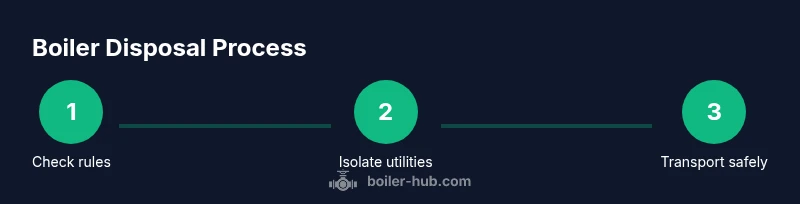
Yes—your old boiler can be taken to the tip or a licensed recycler. Before you go, shut off gas and electricity, drain water, and secure the unit for transport. Check local rules for appointment requirements, fees, and whether the boiler must be detached by a professional. Always follow disposal guidelines to avoid fines or hazards.
Can you take a boiler to the tip? What this guide covers
Disposing of a boiler is a common home maintenance task, but it requires careful planning and knowledge of local rules. Can you take a boiler to the tip? In many regions, the answer is yes—at a licensed recycling center or municipal tip—provided you follow safety steps and schedule the drop appropriately. According to Boiler Hub, boiler disposal hinges on safety first, followed by compliant handling and proper paperwork. This guide walks you through the options, preparation steps, and practical tips to make the process smooth and lawful. We’ll cover when to involve a professional, how to transport a boiler safely, and what to expect at disposal locations.
Key points you’ll learn:
- Which disposal routes exist (recycling center, tip, or professional removal)
- How to prepare the boiler so it’s accepted by facilities
- Safe transport and documentation requirements
- Common mistakes and how to avoid them
Note: Always verify local requirements before attempting to move or drop a boiler.
Legal framework and safety basics
Disposing of a boiler is not simply a matter of leaving it curbside. Gas connections, electrical supply, and residual boiler contents require careful handling. In general, boilers are treated as hazardous waste until properly drained and isolated. The first step is to check your local authority rules and the rules of the chosen disposal facility. Some areas require a licensed professional to disconnect gas supplies, refrigerants (if present), and ensure venting is secure. Even when DIY-friendly options exist, following a formal checklist reduces the risk of leaks, fires, or fines. According to Boiler Hub, a safety-first mindset, combined with compliance checks, sets the foundation for a lawful and safe disposal process. If you’re unsure, contact your local waste management office or a licensed technician before making any moves.
Disposal options: recycling centers, municipal tips, and professional removal
Your disposal path depends on your locale and the boiler’s condition. Options typically include: (1) recycling centers that separate metals and safely handle insulation; (2) municipal tips that accept domestic waste appliances on certain days or by appointment; and (3) professional removal services that detach, drain, and transport boilers for you. Each route has different requirements for manuals, proof of ownership, or removal of fluids. For many homeowners, a licensed recycling center offers the most straightforward combination of safety and environmental responsibility. If you opt for DIY transport, ensure you have suitable containment and a vehicle capable of carrying the unit without risk to others.
Preparing the boiler for disposal
Preparation starts long before you load the boiler. Begin by locating the utility shutoffs and confirming you have permission to handle the unit. Drain the heating system to remove water, then allow the boiler to cool completely. Remove any loose insulation, if it’s safe to do so, and bag it separately for disposal according to your facility’s guidelines. Take clear photos of the boiler’s serial number, connections, and loose parts. Keep a copy of any paperwork from the disposal facility, as you may need it for proof of proper disposal later. Always handle the boiler with care to avoid scalding or strain injuries.
Draining, isolating, and disconnecting utilities safely
Before moving the boiler, isolate electrical power at the main switch and turn off the gas supply using the proper valve or shut-off. If you’re not trained to handle gas lines, hire a licensed technician to do the disconnection. Once utilities are isolated, drain any remaining water from the system into an approved container. Use a non-drip outlet and keep the area well ventilated. Check for leaks and secure all valves. These steps reduce the risk of leaks during transport and help facilities accept the unit without additional processing.
Transport and securing the load
Load the boiler onto a suitable vehicle using a dolly or appliance cart, and secure it with heavy-duty straps. Cover the boiler to protect the insulation and prevent shedding during transit. Use wheel chocks and a second person if possible to stabilize the load. Do not stack other heavy items on top, and drive slowly to avoid shifting. If the boiler is large or tall, plan for a two-person lift and consider calling a professional hauler. Proper securing reduces the risk of accidents and damage to your property.
Documentation and receipts: proving proper disposal
Ask for a disposal receipt or certificate from the facility, which serves as proof of compliant disposal. Keep any intake tickets, weight tickets, or manifests provided by the disposal site. If you used a professional removal service, retain the contract and contact details for the company. Some facilities require a serial number or a photo of the boiler at drop-off. Maintaining records helps you defend against future inquiries and may be useful for environmental reporting or tax considerations in certain jurisdictions.
Cost considerations and how to minimize fees
Disposal costs vary by location and disposal method. Some municipal tips offer free or low-cost options for working appliances, while licensed recycling centers may charge a processing or haul-away fee. In many cases you’ll also incur a small fee for the removal of fluids or insulation. To minimize costs, compare quotes from licensed haulers, schedule during off-peak times if required, and verify whether your local authority offers a subsidy or free drop-off days for bulky waste. Even when fees apply, choosing an environmentally responsible facility often yields better long-term value than a DIY disposal that isn’t compliant.
The Boiler Hub recommended disposal checklist
This final section ties together safety, legality, and efficiency. The Boiler Hub team recommends approaching boiler disposal with a clear plan: confirm local rules, isolate and drain the unit, arrange licensed transport, and secure a receipt at drop-off. Use our step-by-step checklist to stay on track and avoid common pitfalls such as improper disconnection, accidental spills, or non-compliant packaging. By following a structured approach, you’ll protect yourself, your property, and the environment.
Tools & Materials
- Safety gear (gloves, goggles, steel-toed boots)(Protective gear for handling heavy appliances and potential leaks)
- Gas shut-off wrench or gas key(To safely isolate the gas supply before disassembly)
- Electrical disconnect tool (multimeter or circuit tester)(Ensure power is off and circuits are de-energized)
- Drain hose and approved container(Capture and contain residual water from the system)
- Dolly or appliance moving cart(Aid safe loading and reduce back strain)
- Heavy-duty straps and tarps(Secure the unit and protect insulation during transport)
- Vehicle or trailer with ample space(A secure, purpose-built transport solution is essential)
- Insulation disposal bags (if removable)(Use if your facility accepts separately packed insulation)
Steps
Estimated time: Total time: 2-4 hours
- 1
Check local disposal requirements
Start by identifying your local rules and the disposal facility’s requirements. This helps you choose the right path (tip, recycling center, or professional removal) and avoid failed drop-offs or extra visits. Why it matters: different regions have different rules about who can disconnect gas and how fluids must be handled.
Tip: Call ahead to confirm accepted boiler models and required paperwork. - 2
Shut off power and gas safely
Locate the main electrical supply and switch it off. Then shut off the gas supply at the primary valve. If you’re unsure about gas connections, stop and hire a licensed technician. Why it matters: improper disconnection can cause leaks or explosions during transport.
Tip: Never bypass safety valves or ignore gas shutoffs. - 3
Drain the boiler and venting
Open drain valves to remove water from the system and allow the unit to cool completely. Do not attempt to move a hot boiler. If your setup includes a pressure relief valve, release pressure according to manufacturer guidance.
Tip: Have a bucket or drain pan ready to catch water. - 4
Remove insulation and prepare for transport
If it’s safe to do so, remove loose insulation and bag it for disposal per facility guidelines. Photograph connections and serial numbers for your records before disconnecting any pipes.
Tip: Keep insulation components intact to simplify facility acceptance. - 5
Attach transport equipment and secure the load
Position the boiler on a dolly or load-bearing cart. Secure with heavy-duty straps and cover to prevent shedding. Have a second person assist if possible.
Tip: Double-check straps after the first few meters of movement. - 6
Transport to the disposal site
Drive carefully and avoid sudden braking or sharp turns. Follow any site-specific intake procedures at the disposal facility.
Tip: Bring identification and any required paperwork to the drop-off. - 7
Get the receipt and keep records
Request a disposal receipt or certificate. Save all paperwork, including tickets, manifests, or weigh tickets, for future reference.
Tip: Store documents in a dedicated disposal folder or digital archive. - 8
Review and confirm proper disposal
If the facility has confirmed metal recycling or safe containment of insulation, keep the confirmation. If anything seems off, contact the disposal site for clarification.
Tip: Ask for a confirmation number or email for records. - 9
File away the final documentation
Archive all disposal-related documents for tax, compliance, or warranty needs. Maintain a file for future reference or audits.
Tip: Create a simple checklist to reuse for future bulk waste tasks.
Questions & Answers
Is it legal to take a boiler to the tip?
In many regions, boilers can be recycled or disposed of at an approved facility, but you must follow local rules and facility guidelines. Always verify requirements before transporting the unit.
Yes, you can typically dispose of a boiler at an approved facility after confirming local rules and safety steps.
Do I need a professional to detach a boiler before disposal?
Gas lines and electrical connections often require a licensed technician. If you’re unsure, hire a professional to disconnect safely and ensure compliance.
Gas and electrical disconnections should be done by a qualified professional.
What about insulation or refrigerants in boilers?
Most boilers don’t contain refrigerants, but insulation may require special handling. Check facility guidelines and avoid handling hazardous materials yourself.
Check disposal site rules for insulation and any hazardous materials.
What fees should I expect for boiler disposal?
Fees vary by location and method. Some sites are free, others charge processing, haulage, or fluids disposal fees. Always confirm costs in advance.
Costs vary; contact your disposal site to understand fees before drop-off.
Can I transport a boiler myself?
If you have a suitable vehicle and proper securing equipment, you can transport the boiler yourself. Ensure you follow safety guidelines and local rules.
Yes, with the right equipment and safety practices.
How can Boiler Hub help with disposal?
We provide step-by-step guidance, safety tips, and a practical disposal checklist to simplify the process and reduce risk.
Boiler Hub offers a detailed disposal checklist and safety guidance.
Watch Video
Key Points
- Check local rules before moving a boiler.
- Shut off gas and power, then drain water safely.
- Prefer licensed disposal or recycling centers for safety and compliance.
- Secure the load and keep disposal receipts.
- Maintain a disposal records folder for future reference.