How to Make Boiler: Safe Installation Guide for Homes
Learn a safe, professional path to how to make boiler arrangements for home heating. This guide covers planning, permits, installation, and maintenance with expert guidance from Boiler Hub.


If you’re asking how to make boiler arrangements safely, the answer starts with professional oversight. Hire a licensed heating contractor, perform a proper load calculation, and follow local codes for permits and startup. This guide explains how to make boiler installations safer through approved processes and compliant practices.
Why a Proper Boiler Path Matters
If you're exploring how to make boiler arrangements for reliable home heating, you’re asking the right question. A proper path centers on safety, code compliance, and professional oversight. According to Boiler Hub, the safest, most dependable boilers start with a licensed heating contractor who can size the system, verify venting, and ensure fuel supply meets local codes. Skipping this step can create CO risks, inadequate heating, or voided warranties. In this section, we unpack why a structured approach matters and how it reduces call-backs and expensive fixes later.
A correctly sized boiler operates at peak efficiency, uses fuel only as needed, and reduces wear on pumps and heat exchangers. The installation plan should document load calculations, equipment specifications, venting configurations, electrical connections, and safety controls. This upfront work saves time and money and helps you avoid the troubleshooting cycles that come with mismatched equipment. It also sets the stage for a compliant startup that passes inspection and keeps insurers comfortable. By framing the project around safety, legality, and long-term performance, you lower risk and maximize comfort across seasons.
For homeowners seeking practical guidance, Boiler Hub emphasizes that this is a pro-led process. Understanding your home’s insulation, window efficiency, and radiator layout helps determine boiler type and placement. This knowledge keeps you within a reasonable budget while ensuring long-term reliability.
Key Considerations Before You Start
Before you begin the journey of making boiler improvements, take stock of your goals, budget, and home specifics. Start with a realistic heating load assessment that accounts for climate, insulation, windows, and present fuel type. Boiler Hub recommends documenting current energy use, seasonal comfort gaps, and any constraints in your mechanical room. Gather all relevant home information (square footage, number of zones, radiator types) to inform the sizing and system design. Remember that this is not a DIY project for sizing and venting; missteps here can lead to poor performance, higher bills, or unsafe conditions.
Think about energy efficiency from the start. Condensing boilers and high-efficiency circulators can dramatically reduce operating costs, but only if the system is correctly matched to the house. Location matters too: a compact boiler may fit in tighter spaces, but exhaust venting and air supply must meet code. Finally, verify warranty coverage and service plans. A well-planned purchase and installation reduces downtime and ensures consistent comfort throughout the year.
Choosing the Right Boiler Type for Your Home
Choosing the right boiler type is foundational to how to make boiler work efficiently and reliably. You’ll encounter gas-fired, oil-fired, and electric boilers, plus options like combi (tankless water heater combined with space heating) and system boilers. Consider space, fuel availability, and local energy prices. Condensing boilers recover more heat from exhaust and typically offer better efficiency ratings, but installation complexity and venting requirements vary by model.
For homes with existing hydronic systems, a compatible boiler and well-designed pipework are essential. In colder climates, a high-capacity, modulating boiler can keep temperatures steady with lower fuel use. If you’re replacing an old unit, compare AFUE (annual fuel utilization efficiency) ratings and seasonal efficiency performance. Always work with a professional to determine the best match for your house, heat-emission targets, and budget. Boiler Hub notes that system design and proper calibration are critical to achieving the promised efficiency gains.
Planning, Permits, and Compliance
A compliant pathway for how to make boiler installations begins with permits and inspections. Begin by engaging a licensed contractor who will handle load calculations, equipment selection, and code-compliant venting and gas or electrical connections. Your local authority will require permits for new boilers, venting, and fuel lines, plus an inspection after installation. Gather blueprints, equipment specs, and installation diagrams to present to the inspector. Keeping documents organized reduces delays and helps you defend against potential code violations.
In addition to permits, plan for safety devices and detectors. Install CO detectors near sleeping areas and in the boiler room, and ensure venting paths remain unobstructed. The goal is a clean, safe startup that passes inspection and maintains homeowner protection. Boiler Hub’s guidance emphasizes proactive planning and clear communication with the installer and authorities to avoid last-minute surprises.
Safe Installation and Startup Practices
The installation phase is where safety and craftsmanship converge. Only a licensed heating professional should perform gas, oil, or electric boiler installation. The technician will mount the unit, connect fuel or power supplies, vent the flue, install controls, and verify electrical wiring. After mounting, they will conduct a pressure test, leak check, and proper venting verification. Finally, they will balance the system by testing radiators, adjusting pump pressure, and confirming thermostat control integration. Expect comprehensive startup documentation and a commissioning report.
A careful start-up includes verifying shut-off valves, pressure settings, and boiler safety features. Do not attempt any gas piping adjustments or vent modifications yourself. Document all test results and ensure the system is registered for warranty purposes. Boiler Hub recommends maintaining a clear service log and scheduling annual inspections to sustain performance and safety.
Routine Maintenance to Extend Boiler Life
Maintaining a boiler extends its life and preserves efficiency. Schedule an annual professional inspection to check heat exchangers, filtration, and venting; inspect seals and gaskets for signs of wear; and test safety devices. Bleed radiators as needed to maintain even heat distribution and inspect expansion tanks for proper pressure. Regularly replace air filters (if applicable) and ensure CO detectors remain functional. A well-maintained boiler spends less time on emergency repairs and delivers reliable heat across seasons.
Beyond annual checks, keep a simple DIY routine: listen for odd noises, monitor venting performance, and track sudden temperature changes. Addressing small issues promptly prevents costly breakdowns. Boiler Hub emphasizes proactive maintenance as a core practice for longevity and peace of mind.
Common Pitfalls and How to Avoid Them
Even with the best intent, homeowners often stumble on a few recurring issues when learning how to make boiler work safely. The most common mistakes include under- or over-sizing the boiler, improper venting, and skipping permits or post-installation inspections. Inadequate insulation or imbalanced hydronic piping can create comfort gaps and uneven heating. Don’t overlook the importance of integrated controls, zoning, and proper expansion tank sizing. Boilercode compliance is essential for safety and warranty coverage. By planning thoroughly, choosing the right equipment, and enforcing strict startup procedures, you minimize risk and maximize long-term comfort.
Tools & Materials
- Licensed heating contractor(Must be licensed, insured, and bonded; handles sizing, installation, and commissioning)
- Permits and inspections(Submitted by the contractor; varies by locality)
- Appropriate boiler unit (gas/oil/electric)(Matched to heating load and space; prefer high-efficiency condensing models)
- Venting kit and safety controls(Includes proper flue, draft hood, and CO detector integration)
- Gas line and electrical service access(Handled by pro; do not attempt DIY modifications)
- Carbon monoxide detectors(Install near boiler room and sleeping areas)
- Safety gear and PPE(Gloves, eye protection, and appropriate footwear)
Steps
Estimated time: 4-6 weeks
- 1
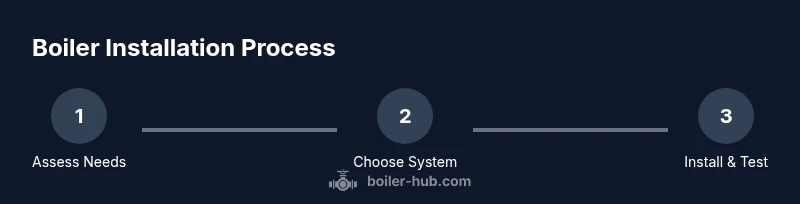
Assess heating needs
A licensed professional will perform a detailed heat loss calculation and inventory current equipment to determine the correct boiler size and features. This step ensures the system delivers consistent comfort without oversizing. Why: proper sizing drives efficiency and reduces wear.
Tip: Prepare home plans and radiator specs; note insulation gaps for the load calc. - 2
Hire a licensed contractor
Interview multiple contractors, verify licenses, insurance, and references, and review previous boiler projects. A good contractor should explain options, provide written estimates, and outline a clear installation plan. Why: accountability and quality workmanship.
Tip: Ask for a written scope of work and a proposed timeline before signing. - 3
Obtain permits and schedule work
Your contractor will apply for the necessary permits and coordinate inspections with your local authority. Scheduling should consider weather, lead times, and utility availability. Why: permits ensure safety and code compliance, protecting you and insurers.
Tip: Confirm inspection windows and have access for inspectors to review venting and connections. - 4
Select boiler type and size
The contractor sizes the boiler and selects the model (gas, electric, or oil) with attention to efficiency, space, and future needs. Why: choosing the right type affects operating costs and reliability.
Tip: Inquire about AFUE ratings and available rebates for high-efficiency models. - 5
Prepare site and utilities
Clear the installation area, verify access for the unit, and ensure vent routes, gas lines, and electrical supply meet code. Why: a clean, accessible worksite prevents delays and hazards.
Tip: Remove clutter and ensure adequate space for service and maintenance. - 6
Install boiler system
The licensed technician mounts the boiler, makes fuel or power connections, runs venting, and installs controls and piping. Why: installation quality governs performance and safety.
Tip: Verify all shut-off valves and test connections during installation. - 7
Pressure test, leak check, and venting verification
A rigorous test confirms there are no gas or water leaks and that venting is unobstructed. The tester documents results for warranty and compliance. Why: leaks or improper venting can be dangerous.
Tip: Keep a log of test results and share with service personnel. - 8
Commissioning and warranty documentation
The system is started, balanced, and calibrated; the installer registers warranties and provides maintenance guidance. Why: commissioning ensures consistent performance and coverage in case of issues.
Tip: Store manuals, warranties, and maintenance schedules in a central folder.
Questions & Answers
Do I need a permit to install a boiler?
Yes. Most jurisdictions require permits and inspections for boiler installation to ensure venting, fuel connections, and safety features meet code. Your installer will typically handle the permit process.
Yes, you usually need permits and inspections for boiler installation to meet safety codes.
Can I install a boiler by myself?
No. Gas, oil, and electrical connections require licensed professionals to prevent leaks, CO risks, and fire hazards. DIY installation is unsafe and often illegal.
No. Boiler installation should be done by a licensed professional to ensure safety.
What is the difference between a combi and a conventional boiler?
A combi boiler heats water on demand for taps and radiators, while a conventional boiler uses a separate hot water cylinder. Each has pros and cons related to space, flow rate, and efficiency.
A combi heats water on demand; a conventional boiler uses a separate hot water cylinder.
What maintenance does a boiler require?
Annual professional service is recommended, along with periodic bleeding of radiators, checking safety devices, and replacing worn seals. Regular checks keep efficiency high and reduce breakdown risk.
Get an annual service and keep up with radiator bleeding and safety device checks.
What does AFUE mean and why does it matter?
AFUE stands for annual fuel utilization efficiency. Higher AFUE usually means lower operating costs and better energy efficiency, especially in colder climates.
AFUE is the efficiency rating; higher is typically better for energy savings.
What safety features should a boiler have?
Key features include a flame safeguard, low-water cut-off, proper venting, automatic shut-offs, and reliable CO detectors. These protect occupants and equipment.
Look for flame safeguard, proper venting, and CO detectors.
Watch Video
Key Points
- Hire a licensed pro; safety first.
- Accurate sizing improves efficiency and comfort.
- Permits and inspections protect you and your home.
- CO detectors and proper venting reduce risk.
- Regular maintenance extends boiler lifespan.