How to Turn On a Boiler: Safe Startup Guide for Homes
Learn how to safely turn on a boiler with a practical startup checklist and safety reminders from Boiler Hub. This guide covers gas and electric models and when to call a professional.


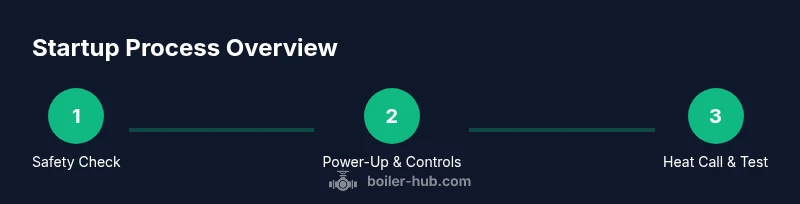
To turn on a boiler safely, first verify gas supply (or power), ensure all safety devices are set, and identify the correct startup sequence for your model. This how-to guide walks you through the common steps for gas and electric boilers, flags when professional service is needed, and provides a fail-safe checklist to reduce the risk of faults.
Pre-turn-on safety checks
Before you attempt to turn on a boiler, perform a safety check of the space and the system. Start with the basics: ensure the room is clear of flammable materials, confirm carbon monoxide detectors and smoke alarms are functioning, and verify ventilation is adequate for combustion appliances. Inspect gas supply valves and the boiler’s shut-off valve; only open valves if your manual indicates it is safe to do so. If you detect the smell of gas, hear a hissing sound, or notice any unusual odor, do not operate the boiler—evacuate and call your gas supplier's emergency line. According to Boiler Hub, safety first reduces the risk of leaks, explosions, and CO exposure. Have your model’s manual handy, along with a flashlight and a phone to consult the startup instructions. Note any recent service actions and ensure the area around the boiler is clean and unobstructed. With safety confirmed, you can proceed to the normal startup routine for your specific model.
Understanding boiler controls
Most boilers share common control elements, but layouts vary by model and fuel type. Gas boilers usually feature a burner switch or heat-key, a pilot or ignition control, a pressure gauge, and a digital display or mechanical dials for temperature and hot-water priorities. Electric boilers rely on a power switch, a mode selector, an internal thermostat, and status lights. Use the manual to identify your model’s “ON” position, safety interlock, and any fault indicators. When in doubt, begin with the system in standby mode and ensure the boiler is receiving power (and gas, if applicable). Make a quick note of any codes or lights before starting; these can help you diagnose faults later. If your home uses zone valves or an outdoor reset, understand how those components interact with the startup sequence. Small differences can affect how safely and efficiently the boiler begins to operate.
Gas boiler startup overview
Gas boilers require proper gas supply, ignition, and safe flame development. Start by ensuring the gas supply valve is fully open as per the manufacturer’s guidance. Then engage the ignition sequence, watch the burner for a stable flame, and verify that the boiler’s pressure and water temperature targets align with your heating demand. If the boiler uses a standing pilot light, look for a steady flame. If the pilot is out, consult the primer instructions from the manual or contact a licensed technician. Always monitor for unusual noises, flickering indicators, or delayed ignition, which can signal burner issues or gas supply problems. This section provides context on what a normal startup looks like so you can recognize deviations quickly. As Boiler Hub notes, a calm, well-lit startup is the best indicator that your boiler will operate reliably through the heating season.
Electric boiler startup overview
Electric boilers bypass gas ignition but require proper electrical power and safety clearances. Confirm that the circuit breaker or fuse supplying the boiler is ON and that there are no tripped breakers. Set the thermostat to the desired heating temperature, then switch the boiler to the ON or HEAT position. Observe the boiler’s display as it powers up and initializes internal controls. If you hear abnormal buzzing, feel warm spots on the case, or see error codes, shut down and consult the manual. Electric boilers can respond quickly, but power issues or faulty heating elements can lead to short cycling and reduced efficiency. Always start with a gentle temperature setting and gradually raise it to meet your comfort needs.
Common issues and quick fixes
During startup, some issues are common across boiler types. If ignition fails, check the ignition electrode or spark gap, and ensure there is a reliable gas supply. Low or high system pressure can prevent hot water circulation; verify the boiler’s pressure gauge against the recommended range in your manual. If you notice water leaks, check for loose fittings or a worn seal; tighten carefully or replace parts per manufacturer instructions. For odd noises like banging or whistling, inspect for air in the radiators or trapped air in the boiler itself. If the boiler trips on safety limits, reset only as directed in the manual. In all cases, document codes and symptoms to aid technicians.
Safety and CO considerations
Carbon monoxide is a silent risk with combustion appliances. Ensure continuous CO monitoring and never operate a boiler with corroded venting, partially blocked flues, or damaged seals. If you believe CO exposure is possible, evacuate immediately and call emergency services. Regular servicing by a qualified technician is essential to maintain safe exhaust and combustion. When starting a boiler after a season of inactivity, leaky seals, dusty burners, or degraded gaskets can introduce hazards; plan for professional inspection if anything seems off. Boiler Hub recommends annual service checks and immediate attention to any warning lights or message codes.
Regular maintenance after startup
Startup is a critical test, but ongoing maintenance is what keeps a boiler reliable. Schedule annual professional servicing, clean the combustion chamber as recommended, and replace filters or gaskets per the manufacturer's schedule. Keep the area around the boiler free of clutter, ensure venting paths remain clear, and verify the expansion tank and pressure settings are within spec. Record maintenance activities and keep the manual accessible. Implementing routine checks reduces the risk of breakdowns and extends boiler life. Boiler Hub’s guidance emphasizes proactivity and documentation as core practices for home and facility managers.
Verifying operation after startup
After starting the boiler, confirm it is producing adequate heat and hot water within expected times. Listen for a steady flame (gas) or a smooth electronic hum (electric). Check the temperature display and listen for any alarms. Run a quick test by selecting a heat call or hot-water draw and observing response times. If temperatures overshoot or undershoot, recheck thermostat settings and water pressure. If you notice frequent cycling or no heat, stop and review the error codes, then consult the manual or a professional if needed. A successful startup should feel quiet, steady, and controllable.
Troubleshooting flowchart (text version)
Use this quick decision flow when something seems off during startup: 1) Are there any warning lights or codes? 2) Is there a gas smell or CO present? 3) Is the power supply or gas valve functioning? 4) Do pressure and temperature read within expected ranges? 5) Is there abnormal noise or vibration? If any answer is "no" or "unclear", shut down and seek professional service.
Next steps and when to call a professional
Not all startups are safe to complete on your own. If you cannot verify gas pressure, see a persistent ignition failure after multiple attempts, or detect warning codes you can't resolve, contact a licensed gas technician. For electric boilers, consult a licensed electrician if breakers trip or components overheat. Keep records of all startup attempts and any codes observed. Regular professional service is essential for longevity and safety.
Tools & Materials
- Owner's manual(Model-specific startup instructions, safety features, fault codes)
- Safety gear(Gloves, eye protection)
- Flashlight(For reading displays in dim areas)
- Screwdriver set (Phillips/flat)(Access panel screws and wiring terminals)
- Multimeter (optional)(Check voltage/cuseful for electric boilers)
- CO detector(Present and functioning, test regularly)
- Phone or radio for emergency contact(Have at hand for emergencies or instructions)
Steps
Estimated time: 30-60 minutes
- 1
Prepare safety and workspace
Review the safety checklist, verify CO detectors are functioning, clear the area, and ensure proper ventilation. Have manual handy and ensure you can see displays clearly.
Tip: If you detect gas smell or hissing, evacuate immediately. - 2
Identify power and fuel supply
Confirm the boiler is connected to its power source (electric) or gas supply valve is accessible and in the correct position as per the manual.
Tip: Know your model’s normal indicators before starting. - 3
Set safety interlocks and mode
Ensure safety interlocks are engaged and set the system to standby or off position per the manual before proceeding.
Tip: Do not bypass safety features. - 4
Initiate startup sequence (gas)
For gas boilers, follow the ignition sequence shown in the manual, watch for a stable flame, and confirm pressure targets.
Tip: If ignition fails after several attempts, shut down and consult the manual. - 5
Monitor indicators
Watch the display and indicator lights. Note any fault codes or unusual sounds during the first few minutes.
Tip: Record codes for service if issues persist. - 6
Check water temperature and pressure
Verify that the pressure gauge falls within the recommended range and that the return temperature aligns with demand.
Tip: Low pressure often means it needs re-pressurization according to the manual. - 7
Run a test heat call
Select a heating call or hot-water draw to confirm the system responds and provides heat promptly.
Tip: If not, re-check thermostat and zone controls. - 8
Document startup results
Record any codes seen, readings taken, and time to reach target temperatures for future reference.
Tip: Keep this log with maintenance records. - 9
Clean up and safety-check
Turn off any temporary lighting, return switches to normal, and ensure the area is clean and unobstructed.
Tip: Return valves and access panels to secure positions. - 10
Plan next steps
If the boiler operates normally, schedule routine maintenance. If issues persist, contact a professional.
Tip: Factory service remains the safest route for persistent faults.
Questions & Answers
What should I do if the boiler does not start after following the startup steps?
First, recheck power and fuel supplies and consult the manual for fault codes. If ignition or pumping sounds persist, stop and call a licensed technician. Do not force components or bypass safety features.
If your boiler won't start after following the steps, recheck power and gas or electricity. If issues persist, consult the manual’s fault codes and call a licensed technician.
Can I start a boiler if the pilot light is out?
If your model uses a standing pilot, follow the manual’s ignition procedure to relight safely. If you’re unsure or doesn’t relight, contact a professional. Do not attempt unverified relighting.
If the pilot is out, use the manual’s relighting steps if provided. If uncertain, contact a pro.
What is a safe pressure range for a residential boiler?
Refer to your boiler’s manual for the exact range. Most systems operate within a specific psi range; if pressure is outside this range, address it before calling for heat.
Most boilers have a prescribed pressure range in the manual. If it’s outside that range, don’t run the heat until it’s corrected.
Is it safe to relight after a hiss or gas smell?
No. If you smell gas or hear a hiss, evacuate and call the gas utility emergency line. Do not operate any electrical switches until the area is cleared and confirmed safe.
If you smell gas, evacuate and call the gas utility right away. Do not stay near the boiler or switch anything on.
What maintenance should I schedule after startup?
Schedule annual professional servicing, inspect vents, check seals, and test safety devices. Keeping records of service helps with future troubleshooting.
After starting, plan for yearly professional service and routine safety checks. Keep a log of service dates.
What’s the difference between gas and electric boiler startup?
Gas startup involves ignition and flame checks, while electric startup focuses on power, thermostat settings, and fault indicators. Each type has safety steps tailored to its fuel source.
Gas boilers require ignition checks; electric boilers focus on power and thermostat settings.
Watch Video
Key Points
- Verify safety checks before startup.
- Identify your model's control layout.
- Follow the correct startup sequence for gas or electric boilers.
- Monitor indicators and noises for early faults.
- Schedule annual professional maintenance.