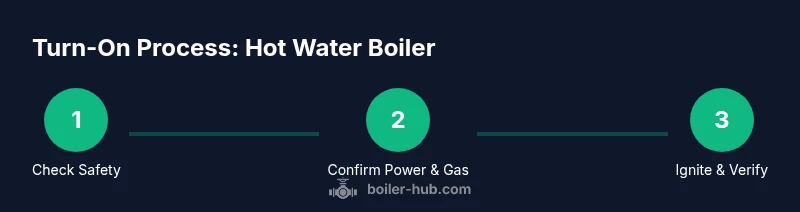
How to Turn On a Boiler for Hot Water: A Practical Guide
Learn how to safely turn on your boiler to restore hot water. This educational guide covers safety checks, controls, ignition, troubleshooting, and maintenance for common boiler types.


By the end of this guide, you will have hot water again. This quick answer covers safety checks, basic controls, and the safe sequence to ignite a boiler or reset a safety switch. It also flags common issues you can safely address and when to call a professional for help.
Safe Preparation Before You Start
According to Boiler Hub, safety should come first when turning on a boiler for hot water. Before you touch any controls, verify you know the type of boiler in your home (gas-fired, oil-fired, or electric), and ensure you have basic safety gear on: gloves, eye protection, and a flashlight. Shut off power to the boiler if you will inspect wiring or components, and never work on a boiler while damp or standing on wet floors. Read your manufacturer’s manual for specific safety steps and warnings. If you smell gas, hear a hissing sound, or detect carbon monoxide, leave the area and call emergency services. After you confirm a safe environment, gather the tools you’ll need and set expectations for the process.
Next, locate the boiler and check the surrounding area. Clear away any clutter, ensure there is adequate ventilation, and confirm the boiler is not leaking. If you have a trapped air or drainage issue, you may need to prepare towels and a bucket. Note the boiler model and serial number; this helps when looking up the correct ignition sequence or troubleshooting steps online. Remember, basic checks like making sure the thermostat is set properly and the hot water taps are turned off before starting can save time and prevent cold-water surprises.
Understand Your Boiler Type and Controls
Boiler controls vary by model, but most hot-water boilers share core components: a primary supply valve, a thermostat, a circulation pump, an ignition system (pilot or electronic), and safety devices like a high-limit switch or pressure relief valve. Knowing whether you have a gas, oil, or electric boiler helps you interpret warning lights and sound cues. Electric boilers often have push-to-ignite buttons or keypad controls, while gas boilers require gas valves to be open and a functioning pilot or electronic ignition. In all cases, confirm access to the manual or manufacturer website for model-specific instructions. If you recently renovated or replaced a component, re-check all connections as part of your prep.
Take a moment to note the current temperature setting for hot water so you can evaluate the result after ignition. Verify that the cold-water supply to the boiler is uninterrupted, and that any overflow or condensate pipes are clear. A clean, accessible space reduces the risk of accidental bumps during ignition and makes future maintenance easier. This stage sets the foundation for a smooth restart and helps prevent repeat cold-water issues.
Step-By-Step: Turning On the Boiler for Hot Water
-
Verify power and fuel supply: Ensure the boiler is connected to a reliable power source and that the main gas valve (for gas boilers) or oil supply is open. If you have an electric boiler, confirm the breaker is on and the circuit hasn’t tripped. This initial check prevents a false ignition and protects electrical components from damage. Tip: Do a quick visual check of wiring and fuses before touching any controls.
-
Locate the main switch and mode selector: Find the boiler’s power switch, mode selector, or thermostat. Set the system to a “hot water” or “heat-on” mode if your model offers multiple options. If using a combined heat-and-hot-water system, ensure the domestic hot water (DHW) setting is active. Tip: If a digital panel is present, record any fault codes before starting.
-
Adjust the thermostat to an appropriate temperature: A typical target is around 120–140°F (49–60°C). Setting too high can scald, while too low may fail to satisfy household hot-water demand. After ignition, you can increase gradually if needed. Tip: Don’t rely on guesswork—use a thermometer or your faucet’s temperature readout when available.
-
Ignite or allow automatic ignition to occur: For modern gas boilers, the electronic ignition should light within a few seconds. For pilot-light systems, verify the pilot flame is stable before continuing. If the ignition fails, pause and wait the recommended rest period to prevent overheating or fuel buildup. Tip: If you hear a clicking sound but no flame, there may be an ignition fault that requires professional service.
-
Confirm ignition and monitor indicators: Look for steady flame or solid “on” indicator lights. Listen for the hum of the circulation pump. If you notice unusual noises, shut down the boiler and investigate. Tip: If the indicators show fault codes, consult the manual and note the code for service support.
-
Bleed air and ensure water circulation: Air trapped in the system can cause noisy operation and reduced hot-water output. Bleed the radiators or check the domestic hot-water line to confirm water is circulating smoothly. Tip: A small amount of air release may be needed at first—don’t over-bleed.
-
Test hot-water delivery: Turn on a hot faucet and let the water run for 1–2 minutes to reach stable temperature. Check multiple taps for consistent heat, and feel the flow rate to ensure it meets household needs. Tip: Document the time to reach temperature for future reference.
-
Reset if necessary and re-check safety devices: If ignition fails, use the red reset switch only as specified by the manufacturer and wait the recommended cool-down period. After reset, repeat ignition steps and re-check all safety devices (high-limit, pressure relief valve). Tip: If you encounter repeated resets, there may be a deeper fault requiring a service call.
Verifying Water Temperature and Flow
Once ignition is confirmed, verify that hot water reaches taps quickly and maintains a safe, comfortable temperature. If the water feels scalding or lukewarm despite adjustments, there may be a mixed-water issue with the tempering valve or a broken sensor. You should also confirm that the cold-water supply to the boiler isn’t inadvertently cross-connecting with the hot line. A steady stream of hot water across multiple taps indicates good circulation. If there is a noticeable drop in pressure while the faucet is turned on, it could signal a leak or a failing expansion tank. Mark the observed temperatures and flow times to establish a baseline for future reference.
Common Issues and Quick Fixes
If you still don’t get hot water after ignition, several non-emergency causes are common: thermostat miscalibration, air in the system, or a tripped safety switch. Start by confirming the thermostat is set correctly and that the power or gas supply is stable. If a fault code appears on the control panel, consult the manual to map it to a specific component. For small air pockets, bleeding radiators or venting the system can restore flow. Avoid opening pressure-relief valves unless you’ve received explicit instructions in the manual, as this can release hot water and steam. If you hear unusual noises, such as banging or rumbling, it may indicate mineral buildup or pump issues that require cleaning or replacement.
Maintenance Habits to Prevent Future Failures
Regular maintenance is the best defense against cold-water surprises. Schedule annual professional inspections to check gas pressure, venting, and the integrity of the heat exchanger. Replace worn seals, inspect the expansion tank, and test safety devices like the high-limit switch. A basic home routine should include flushing the system to remove mineral buildup and checking the thermostat calibration. Keeping the area around the boiler clean and accessible helps prevent accidental damage and ensures quick access during a service call. Document service dates and any code readings for future reference.
Safety First: Gas, Electrical, and CO Hazards
Gas boilers demand rigorous safety practices. Never operate a boiler with a suspected gas leak or if your CO detector sounds an alarm. If you smell gas or hear hissing, evacuate and call emergency services. Electric boilers pose different risks; ensure circuits stay dry and that the power supply matches the rated voltage. Keep combustibles away from venting paths and never bypass safety devices. If you’re unsure about any step, contact a licensed technician. Boiler safety is non-negotiable and worth professional help when in doubt.
Quick Troubleshooting if No Hot Water After Turning On
If hot water remains unavailable after ignition, re-check the thermostat and ensure the domestic hot-water valve is fully open. Inspect the expansion tank for signs of rust or waterlogging and verify there are no leaks in the pipes. If a fault code persists, consult the manual to identify required service actions and prepare for a professional visit. In cases of persistent failure, avoid repeated resets, as this can cause fuel buildup or heat exchanger damage. A professional diagnosis will pinpoint electronics, gas supply, or circulation issues efficiently.
Tools & Materials
- Gloves and eye protection(Protect hands and eyes during checks and ignition.)
- Flashlight(Inspect dark corners and access panels.)
- Screwdrivers (Phillips and flat-head)(For panel screws and terminal connections.)
- Adjustable wrench(Used for gas valve connections and fittings.)
- Towels and a shallow bucket(Catch drips; keep area clean during maintenance.)
- Multimeter or voltmeter(Optional for electrical checks on electric boilers.)
- Manufacturer’s manual or model-specific guide(Reference for ignition sequence and safety steps.)
- Replacement fuses or spare parts (as advised by manual)(Only if you’re trained to handle replacements.)
Steps
Estimated time: 15-30 minutes
- 1
Check power and fuel supplies
Confirm the boiler is plugged in or wired correctly and that the main gas valve is open for gas boilers. If electric, ensure the circuit breaker is on and intact. This prevents misfires and protects wiring from damage.
Tip: Do a quick external inspection of the power cord and outlet before touching any internal components. - 2
Set the boiler to the correct mode
Choose the hot water or DHW mode on the control panel. If your system combines heating and hot water, ensure the DHW path is active. This ensures the ignition sequence targets hot water production.
Tip: If your panel shows fault codes, write them down for later reference. - 3
Adjust the temperature
Set the domestic hot water temperature to a safe level (around 120–140°F / 49–60°C). Temperature guides prevent scalding and improve comfort across taps.
Tip: Avoid setting temperatures too high; you can adjust after validating flow. - 4
Ignite or verify ignition
For electronic ignition, press the ignition button or wait for automatic ignition. For pilot systems, confirm the pilot flame is visible and steady. If ignition fails, pause and allow a cooldown period before retrying.
Tip: If you hear clicking without ignition, there may be an ignition fault needing service. - 5
Confirm ignition indicators
Look for a steady flame or a solid 'on' indicator and listen for the pump. If indicators show faults, consult the manual and note any codes.
Tip: Keep a log of indicator lights for future troubleshooting. - 6
Bleed and verify circulation
Bleed any air from the system and confirm hot water circulates to taps. Air pockets can degrade performance and cause noise. Ensure the hot water line is free of leaks during this step.
Tip: Bleed slowly to avoid sudden spurts of air and water. - 7
Test hot water at taps
Run hot water at several faucets for 1–2 minutes to reach temperature. Ensure consistent heat and flow, and note time-to-heat for future reference.
Tip: Compare performance across fixtures to detect localized flow issues. - 8
Reset safely if needed
If you must reset, use the manufacturer’s reset procedure and wait the recommended cool-down period before retrying ignition. Verify safety devices are reset and functioning.
Tip: Repeated resets can indicate deeper system faults; seek professional help when in doubt.
Questions & Answers
Why is there no hot water after I turn on the boiler?
Common causes include thermostat miscalibration, air in the system, or a tripped safety switch. Check the thermostat settings, bleed air from radiators, and confirm that safety devices are reset. If there’s still no hot water, consult the manual for fault codes and consider professional service.
No hot water after turning on can be due to thermostat settings, trapped air, or safety switches. Start by checking settings and bleeding air, then follow the fault codes in the manual or call a technician if it persists.
Can I turn on a boiler for hot water if I smell gas?
No. A gas smell indicates a potential leak; do not operate the boiler. Evacuate the area, avoid flames or electrical switches, and contact emergency services or your gas utility immediately.
If you smell gas, stop and evacuate. Do not turn the boiler on and call emergency services right away.
What should I do if the boiler doesn’t ignite after resetting?
Wait the recommended cool-down period, then retry using the manufacturer’s reset procedure. If ignition still fails, there may be a faulty sensor, ignition module, or gas supply issue requiring professional service.
If ignition fails after resetting, wait, retry per the manual, and if it still won’t light, call a pro.
How often should I have my boiler serviced?
Most systems benefit from an annual professional service to verify gas pressure, venting, and safety devices. Some manufacturers recommend semi-annual checks for older units.
Annual service is usually best, with more frequent checks for older boilers.
Is it safe to adjust the pressure or reset pressure relief valves myself?
Do not adjust boiler pressure or operate pressure-relief valves without training. Incorrect adjustments can cause leaks or dangerous high pressure. Contact a licensed technician for pressure-related work.
Do not adjust pressure or valves yourself; contact a licensed tech for pressure work.
Watch Video
Key Points
- Know your boiler type before starting
- Follow manufacturer steps for ignition and safety
- Test hot water at multiple taps to confirm proper operation
- Perform regular maintenance to prevent cold-water issues
- Call a professional for persistent faults or gas concerns