How to Use a Boiler: Practical Guide for Home Heating
Learn to safely operate a boiler with a clear startup sequence, maintenance tips, and troubleshooting guidance from Boiler Hub. A comprehensive how-to for homeowners and facility managers.


To use a boiler safely, learn the startup sequence, set temperatures, and perform a quick safety check. This guide covers pre-ignition checks, proper thermostat settings, and routine maintenance to keep heat steady and avoid interruptions. You’ll learn step-by-step actions, common mistakes, and when to call a pro. By following Boiler Hub guidance, homeowners and facilities managers can operate boilers confidently.
What a boiler does and how it fits into home heating
A boiler heats water (or produces steam) to circulate through radiators or radiant floor systems, delivering warmth to living spaces. In modern homes, boilers are typically paired with a thermostat, zoning controls, and sometimes a hot-water circuit. They can be powered by gas, electricity, or oil, and come in different configurations such as combi, system, or heat-only models. Understanding the basics helps you operate the unit safely, efficiently, and with fewer interruptions. This article explains startup, routine maintenance, and common issues from a homeowner and facility-manager perspective. According to Boiler Hub, prioritizing safety and regular checks reduces risks and improves reliability for all boiler users.
- Know your boiler type and where key components live (controls panel, burners, expansion tank).
- Recognize safety features like flame sensors, pressure relief valves, and automatic shutoffs.
- Plan a simple safety checklist before each use to minimize accidental misuse.
Safety prerequisites before you start
Before you power a boiler, complete a quick safety review to protect occupants and equipment. Ensure your CO detectors are functioning and placed near the boiler and sleeping areas. Clear a minimum radius around the unit—remove flammable materials and clutter, and keep the area well ventilated. Verify there are no gas odors; if you detect gas, evacuate immediately and call the gas emergency line. Know where the power switch and fuel shut-off valve are located and ensure they are accessible. If you have a team in your building, designate a buddy system for important checks. Finally, confirm the thermostat and control settings align with your comfort needs and energy goals.
Step-by-step startup and daily operation
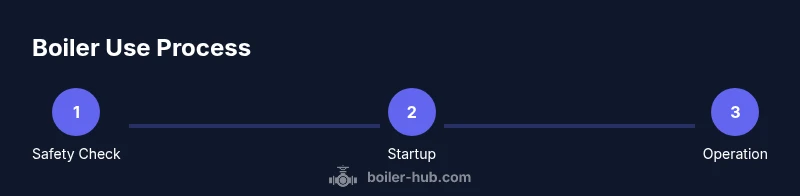
A safe startup follows a clear sequence. Begin with a visual inspection of vents, flue piping, and condensate drains. Check that the electrical supply is on, the control panel shows normal indicators, and the thermostat is set to your desired temperature. Open the fuel valve (if applicable) and initiate ignition following the manufacturer’s sequence. Once the burner lights, observe that heat is circulating (radiators should begin to warm) and that there are no unusual noises or leaks. After reaching the set temperature, switch to standby mode when heat is not needed and document any anomalies for maintenance review.
Maintenance and seasonal care
Regular maintenance keeps boilers efficient and reliable. Schedule at least an annual professional service to inspect burners, heat exchangers, seals, and the safety valve. Bleed radiators to remove trapped air and ensure effective heat transfer. Check the expansion tank, pressure relief valve, and condensate drain for proper operation. Replace or clean filters if your model uses any, and keep vents clear of dust and debris. Record service dates and any replacement parts so you know when the next check should occur.
Troubleshooting common issues
If the boiler fails to ignite, verify power, gas supply, and thermostat settings first. If radiators remain cold, inspect radiator valves and bleed any air pockets. Strange banging or gurgling noises can indicate trapped air, low water volume, or scale buildup—address by bleeding radiators, checking water pressure, and scheduling service if persistent. Leaks around joints or pressure relief valves require prompt attention to prevent water damage and corrosion. If error codes appear on the control panel, consult the user manual or your installer for code meanings and remedies.
Efficiency tips and safety reminders
To operate more efficiently, keep the thermostat at a steady, comfortable setting and use zoning to avoid heating empty spaces. Insulate exposed pipes to minimize heat loss and ensure your home is well sealed to reduce demand on the boiler. Schedule regular professional checks to maintain peak efficiency, and replace aging components before failures occur. Always maintain working CO detectors, smoke alarms, and a clear, well-lit boiler area.
Tools & Materials
- CO detector(Ensure it is functioning and placed near the boiler and in sleeping areas)
- Flashlight(For inspecting dim access panels and vent areas)
- Screwdriver set (Phillips and flat-head)(For panel access and terminal covers—do not touch live wiring)
- Heat-resistant gloves(Protect hands during inspections and adjustments)
- Thermometer or adjustable thermostat(Verify ambient and supply temperatures when testing)
- Pressure gauge (optional)(Only if your model requires manual pressure checks)
Steps
Estimated time: 20-40 minutes
- 1
Prep area and safety
Clear the boiler vicinity, verify CO detectors, and confirm you have a partner for safety. Read the manual’s safety warnings before touching any controls.
Tip: Keep a hand on the shut-off valve as you perform checks. - 2
Verify fuel, venting, and controls
Ensure fuel supply is available, vents are unobstructed, and the control panel shows normal indicators. Do not bypass safety devices.
Tip: If you smell gas, do not proceed—evacuate and call emergency services. - 3
Check power and thermostat settings
Confirm the boiler is powered on, circuit breakers are intact, and the thermostat is set to the desired temperature. Adjust earlier if needed.
Tip: Record the thermostat setting for future reference. - 4
Initiate ignition sequence
Follow the manufacturer’s ignition sequence exactly. If the burner does not light after a reasonable interval, stop and consult a professional.
Tip: Never pressurize or force ignition; allow proper venting and gas flow. - 5
Confirm heat delivery
Monitor that radiators or underfloor loops begin to heat and there are no leaks or strange sounds. Check for uniform warmth across zones.
Tip: Listen for unusual noises—these often signal air or scale issues. - 6
Return to standby and document
Set the system to standby when not actively heating. Note any anomalies, and schedule maintenance if issues appeared during startup.
Tip: Keep a simple log of start times, temperatures, and any codes observed.
Questions & Answers
Is it safe to operate a boiler without professional service for routine use?
Many routine operations can be performed by a competent homeowner, but safety systems, venting, and certain repairs require professional expertise. Use caution and consult manuals.
For routine use, you can perform basic checks, but safety systems and repairs should be handled by a professional.
What should I do if the boiler won’t ignite?
Check power, circuit breaker, gas valve, and thermostat settings first. If ignition still fails, stop and call a pro to avoid hazardous conditions.
First check power and gas supply, then thermostat settings. If it still won’t ignite, contact a professional.
How often should I have boiler maintenance?
Most boilers benefit from an annual professional service, with minor checks you can perform monthly, such as thermostat sanity checks and vent/area clarity.
Aim for yearly professional service, plus simple monthly checks you can do yourself.
Why do I hear banging noises in my boiler?
Noises can come from trapped air, water circulation issues, or mineral buildup. Bleeding radiators and scheduling professional service helps resolve the problem.
Banging usually means air or buildup—bleed radiators and consult a technician if it repeats.
What steps help improve boiler efficiency?
Keep thermostat steady, seal leaks, insulate pipes, and schedule regular maintenance to prevent efficiency losses from worn parts.
Steady temperatures, sealing leaks, insulated pipes, and regular checks boost efficiency.
Watch Video
Key Points
- Start with safety checks before any operation.
- Follow the manufacturer’s ignition sequence precisely.
- Regular maintenance extends boiler life and efficiency.
- Address issues promptly to avoid costly failures.