How to Get Rid of an Old Boiler: A Practical Guide
A comprehensive, step by step guide for safely decommissioning, removing, and recycling an old boiler. Learn how to plan, hire licensed pros, handle paperwork, and dispose responsibly to protect your home and the environment.


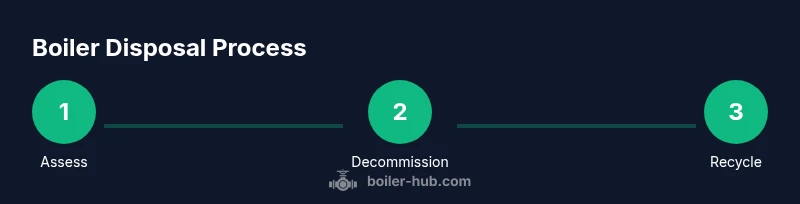
Getting rid of an old boiler involves safe decommissioning, proper removal, and compliant disposal. Start by confirming your boiler’s type, then contact a licensed pro to decommission, recycle metals, and handle gas or electrical shutoffs. Plan for paperwork, local bulky-waste pickup, and recycling certificates to ensure an environmentally responsible demolition.
How to Get Rid of Old Boiler Responsibly
Learning how to get rid of old boiler safely is essential for homeowners and facility managers. A proper disposal plan minimizes environmental impact, keeps your property safe, and avoids regulatory penalties. This guide focuses on decommissioning, removal, and recycling pathways that align with local rules and long-term sustainability. From initial assessment to final paperwork, you’ll learn practical steps, red flags to watch for, and how to work with trusted professionals. According to Boiler Hub, safe boiler disposal starts with planning and professional removal, not ad hoc dumping. By following a structured approach, you can ensure compliance, maximize recycling, and protect indoor air quality and the surrounding environment.
Assess Your Boiler Type and Disposal Options
Before moving forward, identify whether you’re dealing with a gas, oil, or electric boiler, and whether the unit is still functional. Gas and oil boilers require professional handling due to gas lines and potential fuel residues, while electric units may be simpler to disconnect but still require safety precautions. Disposal options vary: decommissioning and removal by a licensed technician, recycling of metal components at a designated facility, and organized bulky-waste collection where available. Understanding the boiler’s age, condition, and local regulations will guide the best path. Boiler Hub’s guidance emphasizes choosing options that prioritize safety and environmental responsibility over speed.
Reuse Options: Donate or Sell If Still Working
If the boiler remains operational or repairable, consider donating it to approved charities, refurbishment programs, or community schemes that accept heating equipment. Even non-working units can yield salvageable parts and metals for recycling. Always verify local reuse programs’ acceptance criteria and arrange safe transport. Donating not only helps neighbors but can also simplify tax documentation in some regions, so keep receipts and any appraisal notes from the recycler or charity.
Decommissioning vs Removal Explained
Decommissioning means safely shutting down and capping gas lines and electrical connections, as well as draining any residual fluids. Removal is the physical excision and transport of the boiler from the premises. Decommissioning is typically a prerequisite step before removal to ensure safety and legality. The choice of path affects cost, scheduling, and regulatory compliance, so discuss both options with your chosen professional to determine the best sequence for your situation.
Hiring a Licensed Professional and Choosing a Recycler
Look for a licensed heating technician or gas-safe professional who can handle decommissioning and removal, plus a Recycler with recognized metal recycling credentials. Ask for written estimates, disposal certificates, and a clear description of the final destination for the boiler parts. Verify their credentials, insurance coverage, and whether they can provide a recycling receipt or certificate of disposal. A reputable pro will explain the process, potential impacts on permit requirements, and expected timelines.
Preparing the Site for Removal
Clear a safe path from the boiler room to the exterior or truck loading area. Turn off electricity at the main breaker and shut off the gas supply with the appropriate valve keys. Remove any nearby valuables or fragile items, protect floors with heavy-duty mats, and ensure adequate lighting. If the boiler is connected to a drain or condensate line, plan for safe drainage or containment of residual fluids. Having the area ready speeds up the job and reduces risk for everyone involved.
What Happens After Removal: Recycling and Waste Streams
Most boilers are mostly metal and can be recycled for copper, steel, and other materials. Some components may contain insulating materials or residual oils that require specialized handling. A compliant disposal should provide a recycling certificate or waste transfer note that confirms where the boiler ended up. Recyclers often separate hazardous components and ensure the nonhazardous metals are processed in certified facilities. This minimizes environmental impact and supports circular economy goals.
Costs, Timelines, and Planning for Approval
Costs vary by region, boiler type, and whether you need decommissioning, removal, and bulky-waste pickup. Schedule lead times with local authorities, waste services, and your disposal contractor to avoid delays. Plan for potential permit applications, proof of ownership, and any utility notifications. While exact prices are context-specific, a thorough plan typically reduces surprises and ensures a smoother process from start to finish.
Safety, Compliance, and Boiler Hub Recommendations
Safety remains the top priority when disposing of an old boiler. Follow gas safety guidelines, electrical isolation standards, and local disposal regulations. Always engage licensed professionals for decommissioning and removal, and ensure you receive proper documentation proving disposal and recycling. The Boiler Hub team recommends documenting all steps, retaining receipts, and confirming the final destination of the boiler materials to demonstrate compliance and responsible stewardship.
Tools & Materials
- Gas-safe or licensed boiler removal professional(Ensure credentials, insurance, and ability to decommission gas lines safely.)
- Council bulky waste booking (or equivalent local disposal service)(Schedule pickup or drop-off for the boiler unit and any nonhazardous components.)
- Utility notifications and permits (if required)(Arrange final gas shutoff and electrical disconnect as needed; obtain paperwork.)
- Personal protective equipment (PPE)(Gloves, eye protection, and sturdy footwear for safe handling.)
- Plastic sheeting, drop cloths, and floor protection(Contain spills and protect surfaces during removal.)
- Dolly or lifting straps(Assist with moving the unit safely to transport.)
- Waste transfer receipt or recycling certificate(Keep documentation proving disposal and recycling.)
Steps
Estimated time: 2-6 weeks
- 1
Assess disposal path
Identify boiler type and condition, then decide whether to decommission, remove, or donate. Confirm if local programs support recycling or bulky-waste pickup. This planning prevents scope creep and sets expectations for cost and timing.
Tip: Document any existing leaks or corrosion upfront to inform the professional. - 2
Verify licensing and credentials
Contact a qualified professional with boiler decommissioning and removal experience. Check insurance, licenses, and references before agreeing to work.
Tip: Ask for a written plan outlining steps, safety measures, and expected proofs of disposal. - 3
Schedule decommissioning
Arrange a date for decommissioning the gas and electrical systems so the boiler can be safely drained and isolated. This step is critical to prevent gas leakage or electrical hazards during removal.
Tip: Coordinate with the utility company if disconnection affects service or safety checks. - 4
Prepare the site
Clear the area, protect floors, and ensure clear access for equipment. Remove valuables and secure any nearby piping or cables.
Tip: Place warning signs to alert others that a boiler removal is in progress. - 5
Execute removal and transport
The professional severs gas lines, disconnects utilities, drains fluids, and lifts the boiler for transport to the recycling or disposal facility.
Tip: Confirm that all hazardous components are handled according to local rules. - 6
Obtain disposal documentation
Collect a disposal certificate or transfer note from the recycler or contractor. This is essential for compliance records and potential resale or tax purposes.
Tip: Keep digital copies and license numbers in a dedicated project folder. - 7
Arrange recycling and final transport
Ensure the remaining boiler parts are directed to certified recycling facilities and that a receipt is provided for verification.
Tip: If some parts are salvageable, ask about reuse options in advance. - 8
Review after-action and closeout
Check that the site is clean, all utilities are restored or safely isolated, and paperwork is complete. Confirm completion with the waste service and the property owner.
Tip: File any warranty or service documentation for future reference.
Questions & Answers
Is it safe to remove an old boiler myself?
No. Removing or decommissioning a boiler involves gas, electricity, and potentially hazardous materials. A licensed professional should perform the work to prevent leaks, electrical shocks, or carbon monoxide risks.
It's not safe to remove a boiler yourself. Hire a licensed professional to handle gas, electrical, and decommissioning tasks to avoid serious hazards.
Do I need permits for boiler disposal?
Many areas require permits or official documentation for gas decommissioning and removal. Check with your local authority or waste service to determine the exact requirements and how to obtain them.
Permits are often required; check with local authorities to confirm and obtain the proper documents.
What happens to the boiler after removal?
Boilers are typically recycled or disposed of at certified facilities. Recyclers separate metals and hazardous components, and you should receive a disposal certificate.
Most boilers are recycled for metals, and you’ll receive a disposal certificate.
Can I donate a boiler that still works?
If the boiler is operational, explore charities or refurbishers that accept donations. Confirm acceptance criteria and arrange safe transport.
Yes, if it works, some programs accept donations; verify criteria first.
How long does the disposal process take?
Timeline depends on scheduling, permits, and the recycler’s availability. Plan for several weeks from planning to final paperwork.
Expect several weeks from planning to final disposal paperwork.
What licenses should the contractor have?
Look for a licensed heating professional or gas-safe technician with appropriate disposal credentials and proof of insurance.
Make sure the contractor has the right licenses and insurance.
Will disposing affect my utility service?
Disconnection is typically arranged by the professional and may require coordination with the utility. Power and gas safety are priorities during removal.
Expect some coordination with your utility for safe disconnection.
Watch Video
Key Points
- Plan disposal early to avoid delays
- Hire licensed professionals for safety and compliance
- Recycle wherever possible and document everything
- Secure all required paperwork and receipts