Boiler to Chimney Connection: A Practical How-To Guide
Learn how to safely connect your boiler exhaust to a chimney with code-compliant steps, materials, and safety checks. This Boiler Hub guide helps homeowners and facility managers understand configurations, components, and maintenance for reliable venting.


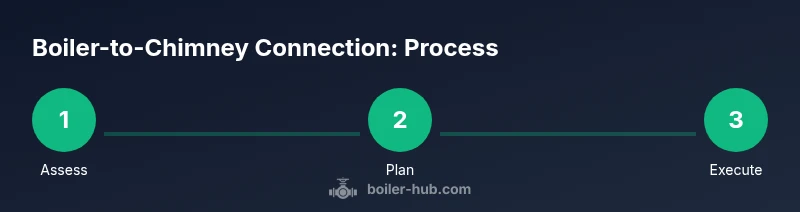
This guide shows you how to safely connect a boiler exhaust to a chimney, ensuring proper venting and code compliance. You’ll assess chimney condition, choose a suitable venting configuration, and install a durable liner with proper seals. Focus on safety, manufacturer guidelines, and professional inspection when needed.
Why the boiler-to-chimney connection matters
A safe boiler exhaust connection is essential to prevent carbon monoxide buildup, backdrafts, and moisture damage. A poorly sized or improperly sealed vent can push dangerous gases into living spaces, cause damp stains, and accelerate flue corrosion. The Boiler Hub team emphasizes careful planning and adherence to local codes to ensure long-term safety and reliability. When a home has an existing chimney, evaluating whether to use the legacy flue, install a dedicated liner, or adopt a new vent path is the first critical step. A well-executed connection also supports fuel efficiency and reduces maintenance needs for your heating system.
From a homeowner or facility-management perspective, treat venting as a system-wide risk assessment, not a single plumbing task. Early assessment helps you avoid expensive retrofits and repeated patchwork. Always verify clearances to combustibles, ensure flame jets are not obstructed, and plan for service access.
Chimney configurations and compatibility
Vent configurations vary by boiler type and chimney condition. Common options include using an existing masonry flue with a metal liner, installing a dedicated liner from the boiler outlet to the chimney, or employing an adapter that matches the boiler exhaust diameter to the liner. Each approach affects draft stability, heat resistance, and maintenance needs. A properly sized liner protects the masonry from acidic exhaust and makes routine inspections easier. The age and construction of the chimney—whether brick, limestone, or concrete—also influence corrosion risk and the need for moisture barriers. As Boiler Hub Analysis, 2026 notes, choosing the right configuration reduces backdraft and helps ensure consistent heating performance.
Consult a professional for a formal assessment if the chimney shows cracks, leaning bricks, or heavy creosote-like buildup (even in some gas installations, moisture and particulates can accumulate).
Materials, components, and fittings
Key components include a compatible exhaust liner (often stainless steel for longevity), adapter couplings, and high-temperature sealants or furnace cement. When selecting materials, prioritize corrosion resistance, proper heat rating, and ease of inspection. Accessories may include a cap or rain cover for weather protection, chimney brushes for pre- and post-install cleaning, and mounting hardware that suits both the boiler outlet and the liner diameter. Keep a detailed parts list and confirm fitment before cutting or drilling. Properly rated gaskets and fire-rated sealants are essential to prevent gas leaks and smoke intrusion.
Remember: using the correct materials reduces the risk of harmful leaks and extends the life of the chimney and boiler system.
Safety considerations and code compliance
Venting work involves hot gases, pressure differentials, and structural modification. Always check local building codes and manufacturer instructions before starting. In many jurisdictions, any work on combustible venting requires a licensed professional and a permit. The key safety concerns include preventing backdraft, avoiding leaks at joints, ensuring access for future service, and protecting adjacent materials from heat or fire. If your chimney has a masonry liner, you must ensure the liner joints are sealed and that the liner is properly supported. Boiler exhaust must be vented at the correct temperature and flow rate to avoid condensation and corrosion inside the chimney.
Boiler Hub recommendations emphasize documenting every step and obtaining a final inspection Certificate of Compliance where required.
Assessment and planning steps
Begin with a thorough survey of the boiler’s exhaust port size, maximum allowed backpressure, and the chimney’s interior diameter. Measure flute height, flue length, any offsets, and existing dampers or spark arrestors. Look for signs of moisture intrusion, crumbling mortar, or blockages that would impair draft. Create a schematic showing current piping, the proposed liner path, and all joints. Budget for contingencies such as liner replacement, extra adapters, or weatherproofing components. Always plan for safe access during installation and testing.
Document measurements and decisions with photos and sketches to share with your installer or building inspector.
Maintenance and inspection after installation
After installation, perform a thorough test of draft by simulating boiler operation at low and high loads. Check all joints for signs of gas leaks, heat shielding integrity, and liner stability. Schedule an annual inspection, focusing on liner condition, cap integrity, and any moisture issues in the chimney. Even if the system seems to run smoothly, creosote buildup and corrosion can occur over time, so routine cleaning and checks are essential. Keep a maintenance log and plan for mid-season checks after extreme temperature swings.
Regular maintenance not only preserves safety but also helps maintain efficiency and prolongs system life.
Troubleshooting common issues and signs of problems
If you notice a persistent rightward draft, downdrafts, or unusual odors near the chimney, investigate for improper seals or leaks. Soot deposits on nearby surfaces or condensation within the boiler cabinet can indicate backdraft or poor venting. Difficulty achieving a stable flame, frequent pilot outages, or boiler error codes related to venting often point to vent-path restrictions or an undersized liner. In some cases, moisture and rust around joints signal water intrusion. Addressing these issues early minimizes costly repairs and improves safety.
AUTHORITY SOURCES
- https://www.osha.gov
- https://www.epa.gov/iaq
- https://www.nfpa.org
Tools & Materials
- Chimney liner kit (stainless steel)(Diameter should match boiler exhaust port; check for corrosion resistance)
- Adapter couplings(Select stainless or aluminized steel rated for high temperature)
- High-temperature sealant(Use furnace cement or silicone rated for exhaust heat)
- Heat-resistant cement(For sealing joints between liner and adapters)
- Sheet metal screws and clamps(Corrosion-resistant; used to secure liner sections)
- Chimney brush and vacuum(Clean flue prior to installation and after removal)
- Safety gear (gloves, goggles, mask)(Protect against dust, sharp edges, and fumes)
- Measuring tape and marker(Accurate layout and cut lines)
- Tin snips or metal cutter(For trimming liner and adapters)
- Level and plumb line(Ensure vertical alignment of liner path)
- Weatherproofing materials(Cap or rain guard for chimney top)
- Permit paperwork (if required)(Check local building department requirements)
Steps
Estimated time: 2-6 hours
- 1
Assess chimney and boiler compatibility
Inspect the existing chimney and boiler vent outlet. Check for cracks, blockages, and moisture. Confirm the chimney diameter and height to determine if a liner or adapter is needed to achieve proper draft.
Tip: Record measurements and note any visible damage with photos for your footing or installer reference. - 2
Choose the venting configuration
Decide between a dedicated liner, a liner-assisted path from the boiler outlet to the chimney, or a direct connection with an appropriate adapter. Consider long-term maintenance and access for inspection.
Tip: If uncertain, consult a licensed professional for a path that minimizes heat exposure to combustibles. - 3
Prepare workspace and safety gear
Shut off boiler power, isolate fuel supply, and set up barriers to prevent dust or debris from entering living spaces. Don protective gear and prepare a clean, well-lit work area.
Tip: Have a second person assist with handling tools and monitoring gas detectors during the process. - 4
Install liner or adapters
Fit the liner or adapter to the boiler outlet, securing it with appropriate screws or clamps. Ensure the liner is continuous and free of kinks. Maintain proper clearance from combustibles.
Tip: Test fit sections before final fastening to avoid misalignment. - 5
Seal joints and verify alignment
Apply high-temperature sealant at all joints. Use furnace cement where required and verify the liner runs straight and is properly supported.
Tip: Avoid over-tightening clamps to prevent liner deformation. - 6
Conduct a leak and draft test
Restore power and run the boiler at low and high settings. Use a smoke pencil or CO detector near joints to confirm airtight seals and proper draft.
Tip: If you detect leaks, reseal and re-test before proceeding. - 7
Final inspection and compliance check
Document the completed work, ensure clearances meet code, and arrange an inspection if required by local authorities. Retain all manufacturer installation instructions for future reference.
Tip: Keep the inspection report and photos with your boiler maintenance records. - 8
Commissioning and routine maintenance
Once approved, resume operation and schedule annual inspections. Include liner cleanliness and cap condition in your routine checks.
Tip: Create a yearly maintenance calendar and set reminders.
Questions & Answers
What is the safest way to connect a boiler to a chimney?
The safest approach is to confirm compatibility, install a properly rated liner or adapter, seal all joints with high-temperature sealants, and obtain an official inspection if required by your local codes.
Confirm compatibility, install a proper liner or adapter with high-temperature sealant, and schedule an required inspection.
Do I need a liner for every boiler-to-chimney connection?
In most installations, a liner is recommended or required to protect the masonry and ensure proper draft. Check your boiler manual and local codes for specifics.
A liner is usually required; check the manual and local codes.
Can I perform this task myself, or must I hire a professional?
Vent and chimney work involves safety risks. Many jurisdictions require a licensed professional for venting-related tasks and permits. If in doubt, hire a pro.
This is usually a job for a licensed professional; check your local rules.
How do I know if my chimney needs cleaning before connecting a boiler?
Evaluate the flue for obstructions, moisture damage, and structural cracks. If creosote or debris is present, clean prior to installation and after any heavy usage.
Look for blockages or damage and clean as needed before connecting.
What codes govern boiler-to-chimney venting?
Codes vary by region but commonly reference building, mechanical, and fire safety standards from authorities like NFPA, OSHA, and local building departments. Always consult the official codes for your area.
Refer to NFPA standards and your local building codes.
How long does installation typically take?
Time depends on chimney condition, liner choice, and accessibility. Plan for a multi-hour window and consider scheduling a follow-up inspection.
It varies, but expect several hours plus potential follow-up inspection.
Watch Video
Key Points
- Assess compatibility before buying parts
- Choose a venting configuration that matches your chimney
- Use proper high-temperature materials and sealants
- Prioritize safety, permits, and professional inspection when required
- Maintain a routine for annual inspections and testing