How to Clean a Boiler Chimney: A Homeowner's Guide
Learn how to safely clean a boiler chimney with Boiler Hub's expert guidance. This 1800-word, step-by-step guide covers safety, tools, and maintenance to reduce buildup, improve venting, and extend boiler life for homeowners and facility managers.


This guide explains how to safely clean a boiler chimney, identify common buildup, and follow a homeowner-friendly, step-by-step process. You'll learn essential safety checks, required tools, and best practices to protect your family and boiler system. Regular maintenance reduces the risk of dangerous leaks and improves vent efficiency. Follow this method with caution, and consult a professional for uncertain steps.
Why cleaning boiler chimney matters
Maintaining a clean boiler chimney is essential for safe operation, efficient venting, and long equipment life. Over time, flue gases deposit soot, ash, and mineral scale along the interior passages. These deposits reduce draft, increase the risk of backdrafts, and can lead to higher fuel consumption or dangerous carbon monoxide buildup if the system is not ventilating properly. Regular cleaning helps ensure that the exhaust flows freely from the boiler to the outdoors, minimizing corrosion and extending the life of the chimney liner. According to Boiler Hub, proactive maintenance is cheaper than emergency repairs and helps maintain indoor air quality. Homeowners often underestimate how quickly deposits can accumulate, especially in high-use seasons or in climates with strong wind patterns that affect draft. In this section, you’ll learn how to assess whether cleaning is necessary and how to plan a safe, effective cleaning session without disrupting daily routines. We'll cover differences between gas, oil, and solid-fuel boilers and how those fuels influence the type of buildup you’ll encounter.
Safety considerations before you begin
Safety is the foundation of any chimney cleaning task. Before you touch a brush or pull a rod, ensure the boiler is completely shut down and cooled, and verify there is zero flame risk. Turn off electrical supply to the boiler and close the damper if applicable. Ventilate the work area to avoid inhaling dust, and wear proper PPE: a P100 respirator or N95, chemical splash goggles, and cut-resistant gloves. If you’re cleaning from a roof, ensure you have fall protection and a second person to assist. Never work on a wet or icy roof, and avoid cleaning during strong winds. Have a flashlight or headlamp ready to inspect joints and the flue’s interior. Finally, keep pets and children away from the work zone. These precautions reduce the chance of accidents and exposure to hazardous soot and gases. The Boiler Hub Team emphasizes planning and safety first as the core of any maintenance task.
What deposits build up in boiler chimneys
Inside boiler chimneys, you typically encounter soot and mineral scale rather than creosote (creosote is more common in solid-fuel wood-burning systems). Soot forms a fine, powdery layer that can accumulate on the flue walls and restrict draft. Mineral scale results from condensate and mineral-laden exhaust; it can harden over time and obstruct the flue. Oil- and gas-fired boilers tend to produce different patterns of buildup depending on fuel quality and combustion efficiency. Poor combustion, a blocked vent, or incomplete fuel burning can accelerate deposits. Regular inspection helps distinguish normal around-season residues from signs of excessive buildup that warrants cleaning. Boiler Hub Analysis, 2026 suggests that homes with older liners or longer runs to the exterior vent are more prone to buildup, underscoring the need for periodic checks as part of routine boiler maintenance.
Access and planning: roof vs cleanout access
Choosing the right access point is critical. If your home has a dedicated cleanout access at the base of the chimney, you can perform much of the routine cleaning from ground level, reducing roof work. However, many installations require access from the roof for a thorough interior cleaning. Assess roof stability, weather conditions, and fall protection needs before climbing. Maintain a clear path to the work area and lay drop cloths to catch falling debris. If you’re uncertain about roof conditions, schedule a professional inspection or use a certified chimney cleaning service. The decision between roof access and cleanout access affects the tools you’ll need and the cleaning techniques you’ll use. Always respect building codes and manufacturer recommendations for your boiler’s venting system.
Tools and materials you’ll need (overview)
Prepare a dedicated toolkit to minimize cross-contamination and maximize safety. A long chimney brush with compatible extension rods is essential to reach the liner without forcing the brush through tight bends. A HEPA-capable vacuum helps capture fine soot and dust, while drop cloths protect floors and outdoor areas. PPE including a respirator, eye protection, and gloves is non-negotiable. A flashlight or headlamp improves visibility in tight sections. You may also need a ladder, harness or fall-arrest gear if you’ll be on the roof, plus basic hand tools for securing covers and inspecting joints. For a thorough session, plan for a couple of hours and have a helper nearby. See the Tools and Materials block for a complete list with notes on sizing and safety considerations.
Cleaning overview: how the process fits together
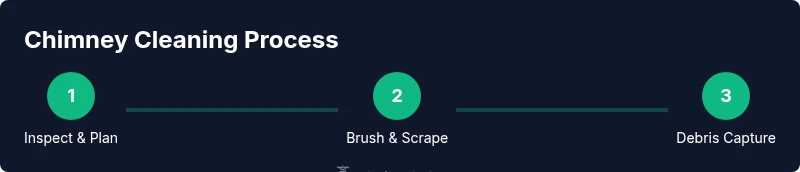
A proper chimney cleaning follows a logical flow: prepare safely, access the chimney, dislodge loose buildup with a brush, collect debris with a vacuum, inspect for damage or wear, and perform a final clean-up plus a post-cleaning check of venting and damper operation. Start from the top and work downward to prevent debris from falling into you or the boiler area. Use gentle, consistent strokes and avoid gouging the liner or displacing joints. If you encounter a stubborn block, avoid forcing the brush through bends—consider alternative access points or call a pro. This section gives you a mental map of the steps, highlighting where to pause and perform safety checks. A well-executed plan saves time and reduces the chance of damage or gaps in the liner.
Aftercare, maintenance schedule, and prevention tips
After cleaning, reassemble tools, seal any access points, and perform a final sweep to remove loose debris around the work area. Re-check the damper and vent cap for proper operation. Schedule future inspections based on boiler type, usage, and observed deposits; solid-fuel systems typically require more frequent maintenance. To prevent rapid buildup, consider improving combustion efficiency, servicing the boiler’s fuel supply, and addressing any draft issues promptly. Keep a written log of inspections, cleanings, and any repairs. By establishing a maintenance rhythm, you’ll catch problems early and avoid emergency service, preserving safety and efficiency in your heating system.
Common problems and when to call a pro
If cleaning reveals cracks in the liner, damaged joints, or corrosion, stop and call a licensed professional immediately. Signs of serious issues include persistent poor draft, unusual odors that persist after cleaning, or a CO detector alarm. Gas or oil boilers should never be reactivated after you observe damage without professional verification. When in doubt, err on the side of caution: a pro can perform a more thorough internal inspection, testing, and any necessary relining or vent replacement. Regular professional checks complement homeowner maintenance and help ensure long-term safety and performance of your boiler system.
When to call a professional and what to expect
Homeowners can perform routine, non-invasive cleaning if no damage is detected and the system is in good condition. If you notice persistent draft problems, unusual noises, or you’re dealing with a solid-fuel boiler, a professional chimney sweep or BOILER service technician should be consulted. Expect a pro to conduct a comprehensive inspection, verify venting integrity, and clean the liner with specialized equipment. They may offer recommendations for liner protection, damper maintenance, and scheduled servicing to maintain safe venting and energy efficiency.
Tools & Materials
- Chimney brush (long-handled, appropriate diameter)(Choose diameter to fit flue; use stiff-bristle brush for soot buildup.)
- Chimney extension rods(Connectable rods to reach full liner length; avoid forcing.)
- HEPA vacuum (with hose attachment)(Capture fine soot and dust; seal vacuum with a bag for disposal.)
- Drop cloths or plastic sheeting(Protect floors and outdoor areas; secure edges.)
- Personal protective equipment (PPE)(Respirator (P100 or N95), safety goggles, gloves.)
- Ladder and fall protection gear(Non-slip boots, harness if working on a roof; never work alone.)
- Flashlight/headlamp(Inspect joints and liner interiors in dim spaces.)
- Metal scraper or stiff-bristle brush(For stubborn residues near joints if safe to access.)
- Duct tape and zip ties(Secure covers and organize tools.)
Steps
Estimated time: 2-5 hours
- 1
Prepare safely
Shut down the boiler and ensure it’s cool before handling any components. Isolate electrical supply and close the damper. Put on PPE, gather tools, and designate a helper. Clear pets and kids from the area and set up a safe work zone with drop cloths.
Tip: Double-check atmospheric conditions; avoid cold, windy days that complicate rooftop work. - 2
Assess access and route
Determine if your session will start from the roof or a cleanout access. Inspect the ladder or access point for stability, remove loose debris, and plan your ascent path. If you’re uncomfortable with roof work, choose ground-based access or hire a pro.
Tip: Never climb a wet or icy surface without fall protection. - 3
Secure the work area
Place ladders securely, anchor with helpers or pegs, and set up fall-arrest gear if needed. Lay drop cloths to catch debris and protect floors or ground surfaces. Notify others to stay clear while you’re working.
Tip: Test ladder stability before reaching for the chimney; keep three points of contact at all times. - 4
Assemble tool kit and inspect gear
Assemble extension rods and attach the chimney brush securely. Check the brush for wear, ensure the rods move freely, and confirm the vacuum is ready for use. A quick safety verification prevents mid-cleaning surprises.
Tip: Lubricate rod joints if they’re stiff but avoid oil near the boiler environment. - 5
Brush from top to bottom
Insert the brush at the top of the liner and push downward in controlled, even strokes. Work in sections, pausing to wipe away loosened residue with a cloth or vacuum. Do not twist the brush aggressively around bends.
Tip: Keep the brush moving steadily to avoid gouging or loosening joints. - 6
Dislodge debris and capture it
As you brush, use the HEPA vacuum to capture fallout. Periodically stop to collect debris from the roof or cleanout area. Do not blow debris into the surroundings, and seal the bag before disposal.
Tip: Avoid inhaling dust; keep face shield in place during debris removal. - 7
Inspect for damage
Look for cracks, corrosion, or dislodged joints in the liner. Note any concerns and consider a professional inspection if you see damage. Confirm that the vent cap and damper operate correctly after cleaning.
Tip: Damaged liners require professional repairs to maintain safe venting. - 8
Final check and cleanup
Remove tools, reseal access points, and verify the boiler re-ignition sequence works correctly. Run the boiler briefly, observe venting, and document findings for future reference. Schedule next inspection based on usage and system type.
Tip: Keep a maintenance log with dates, findings, and service recommendations.
Questions & Answers
How often should I service a boiler chimney?
Most homes benefit from regular professional inspections, with more frequent visits for solid-fuel or high-use boilers. DIY cleaning can be done conditionally if no damage is present. Always follow local codes and manufacturer guidelines.
Regular professional inspections are recommended, with more frequent visits for high-use or solid-fuel systems. DIY cleaning is possible if there’s no damage, but safety comes first.
Is it safe to clean the chimney myself?
Basic cleaning is possible for homeowners who follow safety steps, use proper PPE, and avoid damaged systems. Do not proceed if you detect gas odors, obvious damage, or compromised liners; these require a professional.
DIY cleaning is possible if everything looks healthy. If you smell gas or notice damage, stop and call a pro.
What tools are essential for cleaning a boiler chimney?
You’ll need a chimney brush with compatible rods, a HEPA vacuum, drop cloths, PPE (respirator, goggles, gloves), a flashlight, and a ladder with fall protection. Optional tools include a scraper for stubborn deposits and duct tape for securing coverings.
Key tools are a long chimney brush, extension rods, a HEPA vacuum, and proper PPE.
What are common signs of buildup needing attention?
Excessive soot, poor draft, unusual odors, increased fuel use, or a CO detector alert all signal buildup or venting issues. If you notice these, assess safety first and consider cleaning or professional inspection.
Look for soot, drafts, strange smells, or CO detector alerts; these mean you should check the venting.
What should I do if I find damage during cleaning?
Stop cleaning immediately, shut down the boiler, and call a licensed professional. Do not attempt to repair structural damage yourself; professional relining or replacement may be necessary.
If you find damage, stop and call a pro for proper repairs.
Can I use water to clean a boiler chimney?
Dry brushing is typically preferred for chimney liners. Water can cause damage to some liners and create additional hazards in the boiler room. Follow manufacturer instructions and local codes.
Water isn’t usually recommended for chimney liners; use dry brushing unless advised otherwise by a pro.
Watch Video
Key Points
- Plan safety before you start cleaning
- Use the right tools sized for your flue
- Brush from top to bottom and capture debris with a vacuum
- Inspect joints and liner for damage after cleaning
- Maintain a regular cleaning and inspection schedule