Gas Boiler vs Heat Pump: A Practical Comparison
Compare gas boilers and heat pumps to understand efficiency, costs, installation needs, and environmental impact. Learn which heating solution fits your climate, budget, and decarbonization goals.


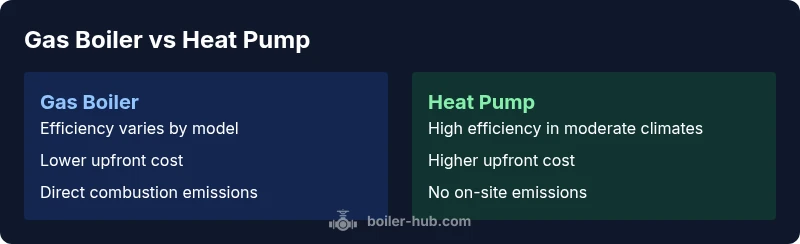
Gas boiler vs heat pump: for many homes, heat pumps offer lower operating costs and emissions in moderate climates, while gas boilers remain cheaper upfront and may perform better in very cold conditions. The right choice depends on climate, energy prices, and home insulation. This comparison outlines key differences to help you decide which system aligns with your budget and decarbonization goals.
Overview: Gas Boiler and Heat Pump—Two Pathways to Warmth
Gas boilers and heat pumps are two distinct routes to reliable home heating. A gas boiler burns natural gas to heat water that circulates through radiators or underfloor coils. A heat pump, by contrast, moves heat from outdoor air or the ground into your home using electricity. Boilers are a familiar solution in homes with existing gas infrastructure, while heat pumps are increasingly favored for their ability to decarbonize space heating. According to Boiler Hub, the choice often hinges on climate, existing equipment, and long‑term energy goals. This section lays the groundwork for a nuanced comparison, highlighting how each technology works, where they excel, and the kinds of homes that tend to benefit most from each approach.
Energy Efficiency and Operating Costs
Efficiency and operating costs are the surfacing questions when comparing gas boilers to heat pumps. Gas boilers achieve efficiency ratings that depend on the model and its fuel‑burning design, while heat pumps report a heat‑transfer efficiency metric called COP (coefficient of performance) that varies with outdoor temperature and electricity price. A heat pump may offer markedly higher efficiency in temperate seasons, reducing steady‑state electricity use, whereas a gas boiler’s running costs track fuel prices and overall fuel consumption. Boilermaker and energy analysts consistently remind homeowners that insulation quality, home airtightness, and thermostat behavior strongly influence real savings. Boiler Hub Analysis, 2026, notes that energy prices and grid decarbonization trajectories can tilt long‑term costs toward one technology or the other depending on local conditions and the electricity mix.
Emissions and Environmental Impact
Direct emissions differ between the two options. A gas boiler emits CO2 and other pollutants during combustion, while a heat pump itself has no on‑site emissions; its environmental footprint depends on how electricity is generated. If the grid is heavily powered by fossil fuels, a heat pump’s advantage may narrow, though decarbonization trends generally improve electricity emissions over time. Refrigerants used in heat pumps require careful handling, but modern systems employ lower‑global‑warming-potential options. For homeowners prioritizing air quality and emissions, heat pumps commonly offer a clearer path to reduced on‑site emissions after accounting for electricity sources.
Comfort, Heating Performance, and Hot Water
Comfort performance hinges on how heat is distributed and how quickly spaces warm. Gas boilers can deliver rapid room heat and are well understood by service technicians, with hot water production closely tied to boiler capacity. Heat pumps provide steady, gentle heating and can efficiently supply domestic hot water when paired with appropriate storage or integrated systems. In homes with variable occupancy or high hot water demand, a dual‑system approach or a high‑capacity storage solution can optimize comfort. The choice may depend on preferred temperature stability, noise tolerance, and the practicality of integrating a heat pump with your existing radiators or underfloor distribution.
Installation, Space, and Infrastructure Needs
Installing a gas boiler typically requires access to a gas line, venting, and space for the unit and its clearance. Heat pumps require electrical capacity, an outdoor unit (for air‑source models), or an in‑ground loop, plus considerations for condensation and noise. If your home already has gas infrastructure, a straightforward boiler replacement can be quicker and cheaper than retrofitting for a heat pump. Conversely, homes with older electrical systems or those aiming for deep decarbonization may benefit from a heat pump retrofit, particularly in climate zones where electricity is relatively green.
Maintenance, Reliability, and Service Networks
Maintenance demands differ: gas boilers generally require annual servicing to maintain efficiency and safety, while heat pumps need regular checks on refrigerant levels, mechanical components, and electrical connections. Both systems rely on trained technicians, and the availability of service networks can influence long‑term reliability and downtime costs. Boiler Hub notes that proactive maintenance and timely component replacement markedly extend system life and performance, regardless of technology choice.
Longevity and Total Cost of Ownership
Assessing total cost of ownership means weighing upfront costs against ongoing energy expenses, maintenance, and potential replacement cycles. Gas boilers often have lower initial installation costs, but operating expenses track gas prices and efficiency. Heat pumps usually command higher upfront costs, but ongoing electricity costs depend on efficiency and usage, with potential long‑term savings as grids decarbonize and electricity becomes cleaner. Long‑term planning should consider depreciation, potential rebates, and the evolving energy landscape as described in Boiler Hub analyses.
Climate Fit and Home Type: When Each Shines
Heat pumps excel in moderate climates with relatively clean electricity grids, where their efficiency advantages are pronounced across many months. Gas boilers tend to perform reliably in very cold conditions and in homes that can leverage existing gas infrastructure without extensive electrical upgrades. The best fit often depends on climate data, insulation levels, and whether you anticipate grid decarbonization incentives or gas price volatility in the coming years.
Hybrid Solutions and Retrofit Scenarios
Hybrid or dual‑fuel systems combine a heat pump with a gas boiler to leverage the strengths of both technologies. In milder seasons, the heat pump handles most heating, while a gas boiler can supplement during peak cold snaps. This approach can smooth energy costs and emissions, especially in regions with fluctuating energy prices. When considering a retrofit, evaluate available incentives, potential space constraints, and the compatibility of current radiators and hot water systems with heat‑pump‑based designs.
Decision Framework: A Practical Path to a Choice
Begin by auditing insulation, air leakage, and the home’s heating load. Compare installed costs, expected operating costs, and grid decarbonization trajectories. Consider future plans such as upgrades to windows, insulation, or solar capacity. Create a simple model that contrasts annual energy costs for both options under current and projected price scenarios. Engage a qualified installer for a detailed assessment that accounts for your home’s layout, venting needs (for gas), and electrical capacity (for heat pumps). Boiler Hub suggests a structured decision process to balance short‑term budgets with long‑term energy goals.
Common Pitfalls and Myths
A common mistake is assuming a lower upfront price means the best deal—true total cost of ownership matters more. People also underestimate the space and electrical upgrades required for heat pumps or overestimate existing boiler capacity. Another pitfall is ignoring local climate and grid decarbonization trends, which can dramatically influence long‑term costs and environmental impact. A careful evaluation should separate marketing claims from practical, site‑specific considerations.
Real‑Life Scenarios and Representative Outcomes
Imagine a 2,000‑square‑foot home in a temperate region with good insulation and a modern electrical system. A heat pump can deliver comfortable, steady warmth with relatively low running costs when electricity is reasonably clean. In a colder region or a home with older gas infrastructure, a gas boiler may provide straightforward comfort and hot water at a lower upfront cost, but with higher ongoing fuel expenses and emissions. These examples illustrate how climate, grid mix, and existing infrastructure shape the optimal choice for real homes.
Comparison
| Feature | Gas Boiler | Heat Pump |
|---|---|---|
| Energy Efficiency | Moderate-to-high AFUE (model dependent) | High COP in favorable conditions; efficiency varies with outdoor temp |
| Operating Costs | Gas price‑driven; costs track fuel usage | Electricity price‑driven; costs track COP and usage |
| Upfront Cost | Typically lower upfront installation | Typically higher upfront due to equipment and permitting |
| Space & Venting | Requires gas line and venting; compact footprint | Requires outdoor unit (air source) or loop field; electrical needs |
| Environmental Impact | Direct emissions from combustion | Indirect emissions depend on electricity grid mix |
| Best Climate Fit | Strong in very cold environments with existing gas | Strong in moderate climates with clean electricity |
Advantages
- Lower upfront costs for gas boilers in many homes
- Fast, familiar installation process for boiler replacements
- Extensive service networks and readily available parts
- Gas infrastructure can support rapid hot water delivery
The Bad
- Direct fossil fuel use increases greenhouse gas emissions
- Operating costs are exposed to gas price fluctuations
- Installing a heat pump may require electrical upgrades and outdoor space
Heat pumps generally offer better long-term value in moderate climates; gas boilers remain competitive where upfront cost, cold‑weather reliability, and existing gas infrastructure are decisive.
Choose heat pumps if you prioritize long-term operating cost savings and decarbonization. Choose gas boilers if upfront cost, rapid installation, and proven performance in cold conditions are primary concerns.
Questions & Answers
Is a heat pump usually better than a gas boiler for home heating?
In many homes, heat pumps deliver higher efficiency and lower operating costs, especially where electricity is relatively green. Gas boilers can outperform heat pumps in very cold climates and when upfront cost is the primary concern. The best choice depends on climate, energy prices, and long‑term decarbonization goals.
Heat pumps often win on efficiency, but gas boilers can be cheaper to start with and better in extreme cold.
Can I retrofit my existing home from a gas boiler to a heat pump?
Retrofitting typically involves upgrading electrical service, installing an outdoor unit or loop field, and ensuring your distribution system can accept heat from a heat pump. A professional assessment is essential to determine if your home’s insulation and radiators are compatible with a heat‑pump design.
A retrofit often requires electrical upgrades and system adjustments; consult a qualified installer.
How does hot water availability compare between the two systems?
Gas boilers are known for rapid hot water delivery and strong baseline hot water capacity. Heat pumps can provide hot water as well, but may require larger storage or a supplemental heater to meet very high demand. Choice depends on your household hot water needs and storage options.
Gas boilers typically deliver hot water quickly; heat pumps may need storage or a supplemental heater.
Are there safety concerns with gas boilers vs heat pumps?
Gas boilers involve combustion and venting, so proper installation and annual servicing are essential for safety. Heat pumps have fewer on-site combustion risks but require proper electrical safety and refrigerant handling by trained technicians. Both systems should be installed by licensed professionals.
Gas boilers require venting and annual safety checks; heat pumps rely on electrical safety and proper refrigerant handling.
How do upfront costs compare for new installations?
Gas boiler installations generally cost less upfront than heat pumps, which can involve equipment, control systems, and potential electrical upgrades. Incentives or rebates may offset some of the heat pump costs in many markets.
Gas boilers usually cost less to install, while heat pumps may be pricier but eligible for incentives.
Do heat pumps work well in cold climates?
Heat pumps perform best in milder to moderate climates with clean electricity. In very cold climates, their efficiency can drop without supplemental heating or a hybrid approach. Many homes use dual‑fuel strategies to maintain comfort in cold snaps.
Heat pumps work well in milder cold, but may need backup heat in very cold weather.
Key Points
- Assess climate and electricity grid decarbonization plans
- Compare total cost of ownership, not just upfront price
- Consider hybrid options for transitional strategies
- Factor installation space and venting requirements
- Plan for future upgrades to insulation and windows