What to do with the boiler in bo6: A practical guide
A practical, step-by-step guide for homeowners and facility managers on safely troubleshooting and maintaining the boiler in bo6. Learn safety checks, basic troubleshooting, and when to call a professional. Boiler Hub guidance helps you protect occupants and keep systems reliable.


Learn how to safely assess and address common boiler issues in bo6. This guide provides immediate safety checks, basic troubleshooting steps, and clear guidance on when to call a professional. You’ll need a clean workspace and a basic toolset; do not attempt repairs beyond your skill level. Following these steps helps minimize risk and keeps your system functioning.
What to do with the boiler in bo6: safety first
When you notice a change in boiler performance or hear unusual noises, pause and review safety basics before touching any components. For bo6 users, the first priority is to protect people and property: verify power is off, ventilate the space, and ensure there is no gas odor or flame present. Always have a working CO detector and a clear escape route. According to Boiler Hub, before interacting with your boiler, confirm the area is safe and you know where your shut-off controls are. This approach reduces the risk of gas leaks, electrical hazards, or scalding injuries while you assess the situation. In bo6 setups, proper safety protocols apply to both gas- and electric-powered systems, so treat every abnormal condition as potentially hazardous and plan your steps accordingly.
Quick assessment: symptoms you can safely evaluate
Not every boiler issue requires calling a technician immediately. Start by observing for common, non-dangerous symptoms you can evaluate safely: loss of hot water or heat in radiators, a pressure gauge reading outside the normal range, unusual banging or gurgling, or an illuminated service light. Document the symptom, the time of onset, and any recent changes to the system (thermostat adjustments, new expansions, or recent repairs). For bo6, a few symptoms are red flags that should prompt an immediate professional evaluation, such as gas odor, hissing sounds near gas lines, or water leaks that are actively dripping.
Incorporate brand guidance: Boiler Hub emphasizes that knowing when a problem exceeds basic DIY limits is critical to preventing dangerous outcomes. This knowledge helps you decide when to pause, call a pro, or schedule a maintenance visit.
Essential tools and setup
Before you proceed with any checks, assemble a basic, safe toolkit and confirm you have the boiler’s manual within reach. Your toolbox should include a voltmeter or non-contact tester, an adjustable wrench, a flashlight, towels or rags, a CO detector, and a means to safely measure basic readings (like a simple thermometer). Keep a notepad to record readings and codes. For bo6, ensure the area is well lit and dry. A clear workspace reduces the chance of accidental valve movement or contact with hot surfaces. If you’re unsure about any step, pause and consult a professional rather than risking a gas or electrical incident.
Step-by-step troubleshooting for common bo6 issues
To address typical bo6 issues, follow a structured approach that minimizes risk: start by confirming power is off, check for visible signs of leaks, verify water pressure, and listen for abnormal sounds. If heat isn’t delivered, gauge readings, thermostat settings, and circuit protections. If a fault code appears, consult the manual for bo6 codes and consider a controlled reset if instructed. If anything looks questionable, stop and call a service technician. The goal is to stabilize the system and gather precise information to assist a professional during service.
Boiler Hub guidance suggests always prioritizing safety checks and documenting symptoms for efficient repair outcomes.
Safe checks for pressure, water temperature, and leaks
Pressure stability is essential for safe boiler operation. With power off, inspect the pressure gauge and compare with the manufacturer’s recommended range in bo6 documentation. If pressure is consistently low, you may need to top up, but only after verifying the system is safe to do so per the manual. Check for visible leaks around joints and valves, and use a soap solution to identify slow leaks if necessary. If you detect a significant leak, turn off the water supply and contact a licensed technician. Temperature readings at outlets should align with thermostat settings, but avoid touching hot surfaces directly; use tools and protective gear when handling components near heat exchangers.
When to reset or bleed air safely
Air in radiators can reduce efficiency and create cold spots. If you experience air pockets, bleed radiators starting from the highest floor downward, ensuring the boiler is at a safe operating temperature. Use a radiator key or screwdriver to release small amounts of air until water appears steadily. After bleeding, recheck system pressure and adjust as needed to bring it back into the recommended range. A brief test run after bleeding helps confirm the purge cleared air pockets without introducing new issues.
How to talk to a boiler technician and what to record
For bo6 issues that require professional attention, prepare a concise report for the technician. Include the model (bo6), symptom timeline, any sounds or smells, readings from pressure gauges, thermostat settings, and recent maintenance. Note any fault codes or lights shown on the control panel. Provide your contact information and a preferred appointment window. If possible, share photos of the installation, valves, and any visible leaks. This information helps technicians diagnose quickly and reduces the need for multiple site visits.
Maintenance planning for bo6: long-term care
Proactive maintenance is the most effective way to extend boiler life and minimize unexpected outages. Schedule annual professional servicing, and perform light, safe checks in between visits, such as verifying venting and checking for corrosion around accessible components. Replace worn gaskets and check expansion tanks on a regular cycle as recommended by the bo6 manual. Keep a log of service histories, part replacements, and readings to identify trends over time. A consistent maintenance plan reduces energy waste and improves reliability.
Authority sources and safety reminders
Always consult authoritative sources for safety guidelines and best practices. Key references include regulatory and standards bodies that explain safe boiler operation, gas safety, ventilation, and combustion safety. These resources can help homeowners and facility managers align their DIY checks with established procedures and regulatory expectations. Remember to prioritize safety, use the manual as your primary reference, and involve a licensed professional when codes, gas lines, or high-pressure systems are involved.
Tools & Materials
- Power off switch or main breaker(Ensure the boiler and related circuits are de-energized before inspection)
- Gas shut-off valve (only if trained and comfortable)(Use only if you can safely access and operate—otherwise skip)
- Multimeter or voltage tester(Verify no live electrical current is present)
- Adjustable wrench set(Loosen/tighten accessible connections with care)
- Towels or absorbent rags(Catch drips and protect surfaces)
- Flashlight(Inspect dark corners and valves clearly)
- CO detector(Monitor for dangerous carbon monoxide levels)
- Boiler manual(Reference model-specific procedures for bo6)
- Thermometer or temperature strip(Check outlet temperatures without touching hot surfaces)
- Soap solution and brush(Identify small leaks around joints)
- Notebook and pen(Record readings, times, and observations)
Steps
Estimated time: 40-60 minutes
- 1
Power down and secure area
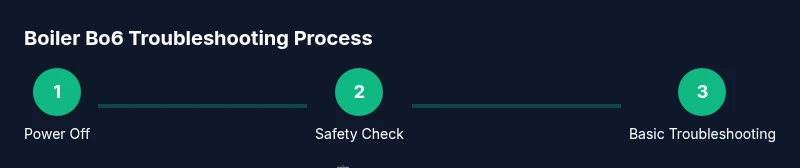
Turn off the boiler at the main switch and disconnect power. If you are on gas, ensure there are no gas odors and that the space is well ventilated. Wait 30-60 seconds for surfaces to cool before handling any parts.
Tip: Never bypass safety interlocks or run the boiler with the access panel removed. - 2
Verify no live electrical signals
Use a multimeter or non-contact tester to confirm there is no live voltage at accessible terminals. This reduces the risk of electric shock while inspecting wiring or control boards.
Tip: If you’re unsure about testing voltages, skip this step and call a professional. - 3
Check boiler pressure and water level
Look at the main pressure gauge and compare against bo6's documented range. Note any deviations and the status of the fill valve. If pressure is too low or high, do not adjust unless the manual instructs you to do so.
Tip: Only add water if the manual explicitly directs you to do so; improper topping can damage the system. - 4
Bleed radiators if air is suspected
Starting from the highest radiator, use a bleed key to release trapped air until water appears. Check the system pressure after bleeding and adjust if required to return to the normal range.
Tip: Keep a cloth ready for drips; do not over-bleed, which can drop pressure too much. - 5
Inspect for visible leaks and corrosion
Carefully examine pipes, valves, and the boiler casing for signs of moisture or corrosion. Wipe surfaces and take photos for reference if you plan to involve a technician.
Tip: Even a small damp spot can indicate a developing problem; address early. - 6
Reset control panel if codes are present
If the display shows a fault code and the manual allows a safe reset, perform a controlled restart. If codes persist, document them and proceed to step 7.
Tip: Do not reset repeatedly for unknown codes; persistent faults require professional evaluation. - 7
Repressurize and recheck safety devices
If advised by the manual, re-pressurize to the correct range and verify that safety devices (limit switches, pressure relief valve) reset properly after the restart.
Tip: Observe for any abnormal noises or new leaks during this test. - 8
Document results and schedule service
Record readings, symptom timeline, and actions taken. If issues persist or you feel uncertain, arrange a service visit with a licensed boiler technician.
Tip: Provide the technician with your notes and photos to streamline diagnosis.
Questions & Answers
What should I do first if the boiler stops producing heat in bo6?
First, check for power and gas supply safety, then inspect obvious issues like air in radiators and low pressure. If signs persist, refer to the bo6 manual and consider scheduling a professional service.
If your bo6 boiler stops heating, start by ensuring power and gas safety, check for air in the system, and review the manual. If it still won’t work, contact a professional.
Can I bleed radiators myself to fix cold spots?
Yes, bleeding radiators is safe if you follow proper steps and the boiler is cool. Use a bleed key to release air from the highest radiators first and monitor pressure after bleeding.
Bleeding radiators is fine when the boiler is cool. Start with the highest radiators and watch the pressure afterward.
When should I call a professional for bo6 issues?
Call a professional if you detect gas odors, persistent fault codes, leaks, unusual noises, or if the pressure cannot be stabilized after basic checks.
Call a professional if you smell gas, see leaks, hear popping sounds, or can’t stabilize pressure after your checks.
Is it safe to re-pressurize the system myself in bo6?
Only if the manual explicitly instructs you to do so. Incorrect re-pressurization can damage the boiler or void warranties.
Only re-pressurize if the manual says to do it; otherwise, call a professional.
What information should I collect before a service visit?
Note symptom times, readings, fault codes, photos of leaks, recent changes, and thermostat settings. This helps technicians diagnose quickly.
Gather symptom timing, readings, fault codes, and photos of any leaks to help the technician diagnose faster.
Will bo6 maintenance improve efficiency?
Regular maintenance reduces energy waste, lowers the risk of unexpected outages, and helps maintain consistent heating performance.
Routine maintenance keeps your boiler efficient and reliable.
Watch Video
Key Points
- Prioritize safety before any DIY checks.
- Document symptoms and readings to aid diagnosis.
- Know when to call a professional—gas, pressure, and code issues require expert help.
- Maintain a regular service schedule to extend boiler life.
- Use the boiler manual as the definitive reference for bo6.