What to Do with Boiler Black Ops 6: A Practical Guide
A safe, step-by-step guide to diagnosing and addressing issues labeled as 'boiler black ops 6', with maintenance steps, safety notes, and when to call a professional.


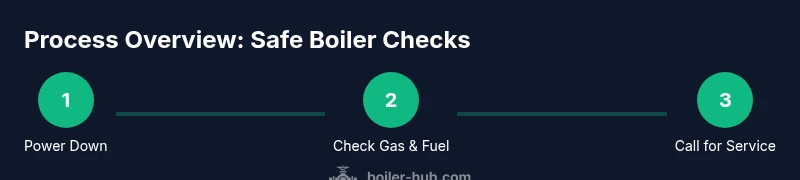
Goal: determine safe steps for addressing issues with a boiler nicknamed 'boiler black ops 6'. You’ll verify power and fuel supply, check pressure/temperature safeguards, inspect for leaks, and isolate the unit before any intervention. If faults persist, consult a qualified technician. This guide gives a practical, safety-first approach with clear steps and precautions.
Understanding what "what to do with boiler black ops 6" refers to
The phrase what to do with boiler black ops 6 often appears in online forums and service notes when a boiler is labeled with an unusual nickname or custom configuration. There is no widely recognized boiler model by that exact name in standard catalogs, so the best approach is to treat it as a non-specific fault category until you can confirm the model and boiler type. According to Boiler Hub, owners should start with safety-first diagnostics and consult official manuals specific to their unit. This article helps homeowners and facility managers interpret the term, avoid risky assumptions, and prepare for proper troubleshooting. The goal is to minimize risk while gathering essential data about the issue. Throughout, you will see references to Boiler Hub guidance and common-sense practices to keep your system safe and functional. If you notice unusual behavior, document it, and avoid rushed repairs.
Safety first: basic precautions before touching a boiler
Before any inspection or intervention, prioritize safety. Turn off power at the boiler and main breaker, shut off gas supply if you can do so safely, and ensure the area is well-ventilated. Wear protective gloves and eye protection, and keep a clear path for exiting the space in case of gas odor or unusual sounds. Gas leaks are dangerous and require immediate action: evacuate, avoid electrical switches, and call the utility or emergency services. Even when the system seems unresponsive, never bypass safety devices. Boiler Hub emphasizes that safe handling reduces the risk of burns, electrical shock, or gas exposure.
In addition to PPE, prepare a simple log to record symptoms, times, and any error codes. This information expedites professional diagnosis and keeps you organized for future maintenance. For anyone new to boiler work, consider enlisting a qualified technician sooner rather than later if you detect gas odor or obvious fuel supply issues.
Diagnosing common symptoms: cold heat, leaks, and noises
Boilers labeled with an informal tag like "black ops 6" often suffer from a mix of symptoms that point to electrical, fuel, or water-side problems. No heat may indicate a power or thermostat fault, while low pressure often signals a water leak or improper filling. Leaks manifest as damp spots, corrosion, or rusty water around hoses and valves. Odd noises—kettling, banging, or whistling—can indicate air in the system, a restricted flow, or a failing pump. Each symptom narrows the field but is not a substitute for a professional inspection. Record the symptom, time, and any accompanying codes or indicators, and compare against the boiler’s user manual or service guide. Boiler Hub notes that standardizing symptom data helps technicians reproduce and diagnose issues more quickly and accurately.
Checking power, controls, and basic hydraulics: what to verify first
Start with simple verifications: confirm the thermostat is set correctly, verify the circuit breakers are on, and ensure the boiler is receiving adequate fuel supply. On the control panel, look for blinking lights, fault codes, or status indicators. Some boilers provide a short fault code display; note it down for reference. Check the pressure gauge and temperature limits to ensure they’re within the manufacturer’s recommended range. If the readings seem out of spec, do not force a repair—document the values and prepare to contact a technician. A careful, documented check reduces unnecessary service calls and helps identify whether the issue is electrical, mechanical, or water-related.
Resetting and testing sensors responsibly: when and how to do it
Resetting should be a deliberate, non-maverick action. If your boiler manual permits a safe reset, follow the exact procedure and observe the system after restart for any recurring faults. Never reset in the presence of a gas smell or if the fault code indicates a critical failure. After a reset, monitor for normal cycling—ignition, hot water production, and shut-down cycles—and note any abnormal behavior. If the fault reappears, this indicates an underlying issue that requires professional evaluation. Boiler Hub reinforces using resets sparingly and only as guided by the manual to avoid masking a serious problem.
Isolating the boiler for service: steps and safeguards
Isolating the boiler involves right-sizing the shutdown to prevent unintended re-ignition or water damage. Turn off the water supply to the boiler, close the gas supply valve if safe to access, and disconnect electrical power from the main breaker. Do not attempt to service while the unit is pressurized or while heat is being transferred through the system. Use lockout-tagout practices if available to prevent re-energizing the boiler. Once isolated, verify there is no residual pressure in the system and ensure the area remains ventilated. Isolation is essential for safe servicing and is a standard best practice recommended by Boiler Hub and safety authorities. Document the steps you took and the exact status of all valves and power sources.
Inspecting for leaks and corrosion: patterns to watch for and avoid
Leaks can appear as damp patches, mineral buildup, or dark stains on pipes and joints. Look for corrosion on fittings and tanks, especially near joints and heat exchangers. If you see greenish or brown staining, or if metal surfaces feel unusually warm to the touch, stop and consult a professional. Water quality matters: hard water can lead to mineral buildup that reduces efficiency and accelerates corrosion. Regular visual inspections below the boiler cabinet—every few weeks or per your maintenance schedule—help catch issues early. Always address leaks promptly: even small drips can indicate a larger problem and a potential for water damage or mold growth. For safety, do not attempt to seal active leaks yourself; professional service is advised.
Document faults and plan professional service: creating a path forward
A clear fault log accelerates professional diagnosis. Record symptoms, times, readings, and any fault codes. Include photos if possible, and note any recent maintenance or changes to the system. Prepare the model type, serial number, and installation date if you have access to them. This documentation helps a technician determine whether the issue is a recurring fault, a one-off anomaly, or a sign of aging components. Boiler Hub advises homeowners to schedule professional inspection for complex codes, leaks, gas concerns, or post-reset repeats. A structured plan minimizes downtime and protects property.
Preventive maintenance for longevity: routines you can adopt now
Preventive maintenance is your best defense against unexpected boiler failures. Schedule an annual professional service to clean heat exchangers, inspect the burner and flue, test safety devices, and verify venting. Between professional visits, perform simple checks such as ensuring outdoor air intakes are clear, inspecting for leaks, and confirming thermostat and control settings match household needs. Use a maintenance log to track any changes, filter replacements, and observed performance. Boiler Hub emphasizes proactive care to maximize efficiency, reduce energy costs, and extend boiler life. With consistent attention, many issues can be detected early and corrected before they escalate.
Authority sources and further learning
To reinforce the guidance provided, consult official safety and energy resources from recognized authorities. For example, the U.S. Department of Energy provides general heat and energy efficiency recommendations, while OSHA offers workplace safety guidelines that apply to maintenance environments. Always rely on the boiler manufacturer’s documentation for model-specific guidance. You can also review accredited home improvement publications and select university extension programs for consumer-focused maintenance tips. These sources help ground your decisions in verified practices and reduce risk when dealing with specialized devices labeled as unusual or non-standard, such as a term like "boiler black ops 6".
Tools & Materials
- Insulated gloves(Protect hands from heat and sharp edges)
- Safety goggles(Shield eyes from splashes and debris)
- Non-contact voltage tester(Verify power is truly off before touching wiring)
- Digital multimeter(Test electrical supply and interlocks)
- Adjustable wrench set(Loosen/tighten basic fittings)
- Gas leak detector (or soapy water spray)(Detect potential gas leaks safely)
- Flashlight(Inspect dark corners and beneath cabinets)
- Owner manual or model-specific guide(Always reference exact procedures)
- Notebook or maintenance log(Record fault codes, readings, actions)
Steps
Estimated time: 60-90 minutes
- 1
Power down and secure the area
Switch off the boiler at the main breaker and shut off the fuel supply if safely accessible. Verify the power is off with a non-contact tester, and clear the area of any flammable materials. The reason is to prevent electrical shock and accidental ignition during inspection.
Tip: Use lockout-tagout if available to prevent re-energizing the system. - 2
Inspect basic indicators and symptoms
Look for warning lights, fault codes, or unusual noises. Compare what you observe with the user manual's fault code list to form a preliminary hypothesis about the fault category.
Tip: Document any fault codes with exact wording and timestamps. - 3
Check power, controls, and flame Safety devices
Confirm thermostat settings, circuit status, and that the burner and safety interlocks respond to commands. If the flame safety device won’t reset or remains locked, do not force a restart.
Tip: Avoid touching flame-related components without professional supervision. - 4
Isolate water and gas supplies for service
Close the cold-water inlet valve if present and not already closed. If gas is involved and you can reach the valve safely, shut it off. Ensure you have a clear exit in case you detect a gas leak.
Tip: Never work on the system with active gas leaks. - 5
Inspect for leaks and corrosion
Visually scan pipes, fittings, and seals for dampness or corrosion. Use soap solution to identify small gas leaks if you have permission and equipment, but stop if you detect active leaks.
Tip: Record the location and type of any leak found. - 6
Test electrical circuits and sensors
Using a multimeter, verify supply voltage to the control board and resistance in safety sensors per manual. Look for loose connections or damaged wires that can cause intermittent failures.
Tip: Only test electrical components when the power is confirmed off, then recheck before re-energizing. - 7
Document faults and plan professional service
Create a fault log with symptoms, codes, and measurements. Plan a service appointment with a qualified technician if faults persist after basic checks.
Tip: Include photos or diagrams to aid the technician’s assessment. - 8
Return to service only after clearance
If no symptoms reappear and readings are within spec, re-energize the system following the manual and monitor for a full cycle. If symptoms recur, escalate to professional repair.
Tip: Do not bypass safety devices or shortcuts to save time.
Questions & Answers
Is it safe to operate a boiler labeled 'Black Ops 6' if it seems to work intermittently?
Intermittent operation may indicate a serious fault. Do not rely on it; shut down if symptoms persist and seek professional assessment. Working with an unfamiliar or unofficial label increases risk of gas leaks or electrical faults.
If you see intermittent operation, shut it down and call a professional. Don’t operate a boiler with unknown labeling or fault symptoms.
What does 'boiler black ops 6' typically refer to?
The term appears to be an informal nickname or a custom configuration rather than a standard model. Treat it as a symptom category and focus on safety, documentation, and manufacturer-specific guidance when diagnosing.
It's usually a nickname rather than a real model, so rely on the manual and professional guidance for diagnosis.
Can I reset the boiler myself?
Only if the manual explicitly allows resets for the observed fault and the fault isn’t gas-related or dangerous. Misuse of resets can mask a hazardous condition. If in doubt, contact a technician.
Reset only if the manual approves it and there’s no gas smell or dangerous fault. If unsure, call a pro.
What maintenance schedule should I follow for safety?
Have a professional inspection at least once a year, with monthly visual checks by the homeowner. Keep records of all observations, and replace worn components promptly.
Schedule yearly professional checkups and keep a simple monthly visual inspection log.
What are essential safety precautions during DIY checks?
Turn off power and gas when approaching the boiler, ventilate the area, wear PPE, and avoid handling gas- or flame-related parts if unsure. If you smell gas, evacuate immediately and call emergency services.
Shut off power and gas, ventilate the area, wear PPE, and never work on gas smells—call for help.
Watch Video
Key Points
- Power down before touching any boiler components
- Document fault codes and symptoms accurately
- Isolate water and gas supplies prior to service
- Reserve complex repairs for qualified technicians
- Maintain a proactive maintenance routine