What to Do in Boiler Room Bo6: A Practical Guide
A comprehensive, brand‑trusted guide on safety, inspection, and maintenance tasks for boiler room Bo6. Learn step‑by‑step procedures, essential tools, and when to call a professional.


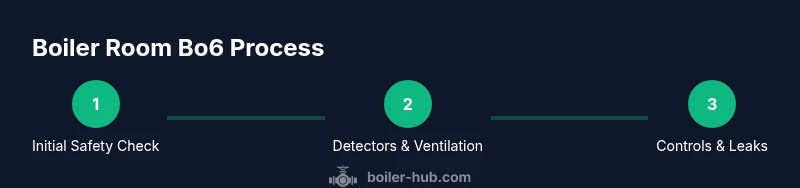
You’ll perform a safety‑first inspection and routine maintenance in boiler room Bo6. Start with ventilation checks, detector status, and access to emergency shutoffs, then verify fuel valves, controls, and safely energize equipment. Document findings, wear PPE, and follow lockout/tagout procedures as required by local codes. This quick guide outlines the essential steps and safety considerations.
What to do in boiler room bo6: Safety and initial assessment
What to do in boiler room bo6 begins with a disciplined safety mindset. According to Boiler Hub, the Bo6 area requires careful attention to ventilation, gas-safety, and access control to prevent accidents. Before touching any equipment, verify that you have the proper training, PPE, and a work permit if required by your facility. Begin by surveying the room: note ventilation adequacy, clearances around the boiler, visible leaks, and the condition of doors and exits. Record the status of CO and combustible gas detectors, and confirm that emergency shutoffs are accessible and clearly labeled. Bo6 boilers typically rely on a dedicated combustion air supply; ensure vents are unobstructed and that fans and dampers operate correctly. Conduct a quick risk assessment to identify hot surfaces, moving parts, and electrical panels that may require de-energization. This establishes a safe, methodical approach rather than rushing to fix issues. Finally, verify housekeeping: floors should be clean, drains clear, and drip pans in place to catch any spills. A tidy, well‑lit space reduces the chance of slips, falls, or accidental contact with hot surfaces.
Brand mention: The Boiler Hub team emphasizes that a disciplined start builds trust in every maintenance task.
Understanding the environment: air quality, ventilation, and signs of trouble
In Bo6, adequate ventilation is essential to prevent the buildup of combustion byproducts and to maintain breathable air for personnel. Check that exhaust fans run and that intake vents are unobstructed. Look for signs of degraded seals around doors, corroded ductwork, or moisture buildup on walls, which can indicate leaks or poor drainage. Dust and debris can interfere with air movement and heat exchange, so plan for routine cleaning schedules. If you detect smoke, strong odors, or a persistent gas smell, stop work immediately and follow your facility’s emergency procedures. Boileroom environments can be hazardous; always wear respiratory protection if dust or fumes are present, and ensure that CO detectors are functioning and tested per local regulations. This block expands on the first‑aid and safety orientation necessary for Bo6 operations.
Tools & Materials
- PPE kit (gloves, eye/face protection, flame‑resistant clothing)(ANSI-rated PPE; ensure it fits and is in good condition)
- Flashlight or headlamp(High‑intensity for dim corners and tight spaces)
- Multimeter and combustible gas detector(Used to verify electrical circuits and gas presence)
- Wrench set and screwdriver set(For valves, panels, and fittings)
- Leak detection solution or soap water(Eases detection of minor gas leaks)
- Cordless drill with brush附件(Pocket‑sized cleaning and quick screw tasks)
- Rags, buckets, and spill containment(Contain spills and wipe surfaces; keep area dry)
- Note pad and pen(Record findings, actions, and dates)
- Lockout/tagout kit(Prevent accidental energization during maintenance)
Steps
Estimated time: 60-90 minutes
- 1
Inspect room safety and access
Survey the boiler room Bo6 for clear egress, unobstructed exits, illuminated pathways, and accessible emergency shutoffs. Verify detectors and alarms are in place and functioning. Ensure PPE is donned before any assessment begins.
Tip: Move calmly and document any blocked paths or damaged safety devices before proceeding. - 2
Verify ventilation and air supply
Check that ventilation fans operate and that combustion air openings are free from debris. Confirm that dampers respond to controls and that intake and exhaust routes are unobstructed.
Tip: If you notice restricted airflow, pause work and address the blockage to prevent dangerous gas buildup. - 3
Test detectors and alarms
Test CO and combustible gas detectors, ensuring alarms trigger at expected levels and that alarm panels display correctly. Note any persistent faults for repair.
Tip: Replace batteries if applicable and log the test results for compliance. - 4
Inspect fuel supply and safety devices
Check fuel valves, pressure readings, and shutoffs. Verify that the fuel supply lines are leak‑free and that automatic shutoff valves respond to abnormal conditions.
Tip: Do not operate valves if you detect a leak; seal and evacuate if necessary. - 5
Review controls and interlocks
Inspect boiler controls, emergency stop buttons, fuel/air ratio sensors, and safety interlocks. Confirm settings align with operating manuals and that reset procedures work.
Tip: Document any misalignment and schedule a technician if needed. - 6
Document and plan next steps
Record observations, photos, and dates in a maintenance log. Create a prioritized action list, marking issues that require a licensed technician.
Tip: Share the log with your supervisor and schedule follow‑up checks.
Questions & Answers
Is Bo6 a standard boiler room setup, and how does it differ from other models?
Bo6 refers to a specific boiler room configuration or model variant. While the core safety and inspection principles apply broadly, Bo6 may have unique control layouts or room ventilation requirements. Always consult the equipment manual for model‑specific procedures.
Bo6 is a boiler room variant; follow the manual for its unique controls.
How often should detectors be tested in Bo6?
Detectors should be tested as part of a routine monthly safety check and after any maintenance that could affect sensor placement or power supply. Log results and replace batteries as needed.
Test detectors monthly and after maintenance.
What should I do if I smell gas in Bo6?
If you smell gas, stop work, evacuate the area, and call your local gas utility or emergency services. Do not operate switches or lights that could ignite gas.
Evacuate and call for help; avoid ignition sources.
When is it appropriate to call a licensed technician?
Call a licensed technician for issues beyond routine maintenance, such as persistent leaks, abnormal pressure changes, or faulty safety interlocks.
Call a licensed technician for complex faults.
What records should I keep after a Bo6 safety check?
Keep a maintenance log with date, observations, actions taken, parts replaced, and follow‑up dates. This supports compliance and helps track boiler room health over time.
Maintain a detailed maintenance log.
Are there any safety precautions unique to Bo6 I should know?
Refer to the Bo6 operation manual for any model‑specific cautions, such as peculiar valve arrangements or sensor calibrations. General safety like PPE, ventilation, and engineered safeguards still apply.
Follow Bo6 manual specifics and general safety rules.
Watch Video
Key Points
- Prioritize safety with a formal start‑up check and PPE
- Verify ventilation, detectors, and emergency shutoffs before work
- Log all observations and assign clear follow‑up tasks
- Use lockout/tagout when servicing energized equipment
- Maintain tidy, well‑lit boiler room for safer operations