What to Do With Boiler: A Practical Home Guide
Learn safe, practical steps for assessing, maintaining, and troubleshooting your boiler. This guide covers safety checks, maintenance routines, and when to call a pro to keep your home warm and efficient.


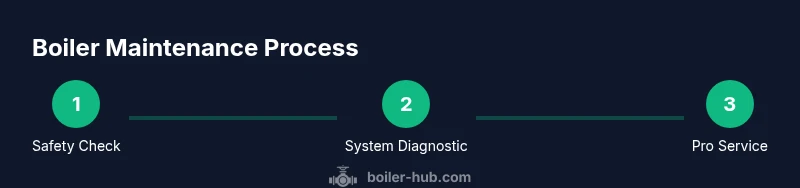
In short, what to do with a boiler today is to assess safety, perform basic checks, and decide whether to troubleshoot, service, or call a professional. Start by powering off if there’s a gas smell, noting any error codes, and confirming water pressure is within normal range. This guide walks through practical, safe steps.
Understanding the boiler system
According to Boiler Hub, a typical residential boiler includes a burner, heat exchanger, circulation pump, controls, and safety devices. Understanding these components helps homeowners interpret warning signs and plan maintenance. Gas, oil, and electric boilers work differently but share core subsystems. Modern boilers often pair with smart thermostats and weather-compensation sensors to optimize efficiency. This section breaks down the main parts and what they do, so you can recognize when something might be off. Familiarize yourself with common labels and safety devices: expansion tank, pressure relief valve, condensate trap, and flue. If you own a combi boiler, you have an on-demand hot water system integrated with heating; a system boiler stores hot water in a cylinder. Knowing the basics helps you decide whether to troubleshoot safely or call a pro.
Safety first: recognizing hazards
Boilers operate with gas, electricity, and pressure systems. Potential hazards include gas leaks, carbon monoxide, hot surfaces, and pressurized water lines. Install and maintain working carbon monoxide detectors, ensure ventilation, and keep a clear space around the boiler. If you notice a rotten-egg smell, hissing from pipes, or discolored flames, treat this as an emergency. Do not ignore warning signs: shut off power to the unit if safe, evacuate if needed, and call your gas provider or emergency services. Regularly inspect warning labels, vent blocks, and the area around the boiler for signs of overheating or moisture, which can indicate a leak or failure of a safety valve. Maintaining a safe environment is the first step in any boiler task.
Quick checks you can perform safely
Before touching any internal components, perform non-invasive checks. Look at the boiler display for error codes and note them down. Check the pressure gauge; if the reading is too far outside the manufacturer’s recommended range, avoid adjustments beyond your comfort level and consult a professional. Confirm that the thermostat is set correctly and communicating with the boiler. Inspect visible piping for dampness or corrosion and listen for unusual noises such as banging or screeching, which can signal air in the system or a failing pump.
Diagnosing common boiler issues
Boilers can fail for a variety of reasons, but many problems fall into repeatable patterns. No heat or hot water often points to thermostat or pressure issues, air in radiators, or pump failure. Leaks or damp spots near the boiler may indicate a loose joint, worn seal, or a ruptured pipe. Odd noises can reflect air in the system, mineral buildup, or faulty valves. Error codes displayed on the control panel usually guide diagnosis; consult the manual or the manufacturer’s website to interpret them correctly. When diagnosing, avoid assuming root causes without confirmation, because incorrect adjustments can worsen problems or void warranties.
Troubleshooting steps from simple fixes to professional help
Start with the simplest solutions first. If radiators are cold at the top but warm at the bottom, bleed air from the radiators using a bleed key. Check for a tripped switch on the boiler or in the fuse box, and verify the thermostat is responsive. If the boiler is cycling on and off frequently, it could be an overheating or pressure issue requiring a service visit. For persistent faults, note the error codes and contact a qualified technician. Do not attempt invasive repairs or tamper with gas lines or electrical connections unless you have training and authorization. A professional can safely test fuel supply, electrical circuits, and venting to diagnose complex faults.
Maintenance you should schedule yearly
Regular maintenance is essential for safety and efficiency. A professional should conduct a full service annually, including inspecting the burner, heat exchanger, condensate trap, venting, and safety devices. They will test CO detectors, verify ignition stability, and calibrate controls for accurate temperature readings. Between services, keep the area around the boiler clear, replace air filters (if applicable), and record readings from pressure gauges and utility bills to track efficiency over time. Routine maintenance can extend equipment life, prevent unexpected outages, and help maintain safe operation for all occupants.
Energy efficiency and safety features
Modern boilers include efficiency-enhancing features such as modulating burners, weather-compensation sensors, and smart thermostats that optimize fuel use. Setbacks, programmable schedules, and zone control can reduce energy waste. Regular maintenance ensures these features function correctly and that the boiler does not operate with corroded heat exchangers or blocked vents. Consider upgrading to a high-efficiency condensing boiler if your system is older; however, assess total cost, compatibility with existing piping, and potential rebates or incentives from local programs.
What to ask when hiring a pro
When engaging a heating professional, ask about licensing, insurance, and prior experience with your boiler model. Request a written estimate that itemizes parts, labor, and any required replacements, and ask for a demonstration of the work after completion. Inquire about the expected service interval and the warranty on parts and workmanship. A clear, transparent conversation helps ensure you receive safe, compliant, and thorough service.
How to prepare for a service call
Before the technician arrives, gather essential information: model and serial numbers, any error codes, recent maintenance history, and a list of symptoms with dates observed. Clear the area around the boiler to provide unrestricted access, and note any leaks or unusual odors you’ve detected. Have your emergency contact numbers ready and ensure pets and children are safely away from work areas. Providing concise details helps the technician diagnose quickly and efficiently.
Quick reference safety checklist for homeowners
- Do not operate a boiler with known gas leaks or CO alarms sounding; evacuate and call emergency services.
- Keep the area around the boiler unobstructed and dry; prevent spills from creating further hazards.
- Record readings from the pressure gauge and listen for unusual sounds that could indicate air in the system.
- Drain or bleed radiators only if you’re comfortable and have proper tools; otherwise, leave it to a professional.
- Schedule annual professional service for safety and efficiency.
Troubleshooting flow: a decision framework for homeowners
- Is there a gas odor or CO alarm? If yes, evacuate and call the gas provider immediately. 2) Is the boiler showing an error code? Note it and consult the manual or manufacturer site. 3) Are there leaks or damp spots? Stop using the boiler and contact a pro. 4) Is there routine maintenance due? Schedule a service and prepare to discuss readings and symptoms with the technician. 5) If all checks are normal but issues persist, seek expert assessment to avoid unsafe repairs.
Tools & Materials
- Boiler operation manual(Keep on-site for model-specific controls and troubleshooting steps)
- Safety gloves(Heat-resistant, to protect hands during inspection)
- Flashlight(Bright, with spare batteries; inspect dark corners)
- Radiator bleed key(Useful if radiators need releasing air)
- Digital thermometer or pressure gauge(Helps verify temperatures and static pressure readings)
- Cleaning cloth(Wipe condensation or moisture from surfaces)
- Smartphone or camera(Document labels, codes, or leaks for service tech)
Steps
Estimated time: 40-60 minutes
- 1
Power down and verify safety
Turn off the boiler at the switch and shut off the electrical supply if accessible. Allow the unit to cool before touching any exposed parts. If you detect a gas odor, evacuate immediately and contact emergency services.
Tip: Do not attempt to relight or reset after a gas odor; safety first. - 2
Check the pressure gauge
Read the boiler's pressure gauge when the system is cold. Note whether the reading sits within the manufacturer’s recommended range. If it’s outside the range, do not force a reset; record the reading for the service visit.
Tip: Record the exact gauge number and the time you checked it. - 3
Inspect for visible leaks
Look around joints, pipes, and the expansion tank for dampness or oily residue. If you see active dripping, place a container to catch drips and contact a professional. Do not attempt to tighten fittings beyond your training.
Tip: Take a photo with your phone to show the technician. - 4
Bleed radiators if needed
If radiators feel cool at the top but hot at the bottom, use a bleed key to vent air until water (not steam) escapes steadily. Close the valve securely after hot water appears. This step helps balance the system and improve heat distribution.
Tip: Bleed one radiator at a time and keep a cloth handy. - 5
Reset and test the boiler
If the boiler has a reset option and no safety alerts persist, perform a controlled reset following the manual. Restore power and observe for stable ignition and normal cycling. If the boiler fails to start or produces error codes, stop and contact a pro.
Tip: Note any error codes shown after reset for the technician. - 6
Call a pro if issues persist
Persistent faults, CO concerns, leaks, or unusual noises require professional evaluation. A licensed technician will test gas supply, combustion efficiency, venting, and electrical safety with calibrated tools.
Tip: Provide the technician with a symptom log and readings you captured.
Questions & Answers
Is it safe to touch the boiler while it’s hot?
No. Allow the unit to cool before handling any components. Use protective gear and avoid touching hot surfaces.
No, wait until it’s cooled, and then handle only with proper safety gear.
What should I do if I smell gas?
Leave the area immediately, call your gas provider or emergency services. Do not operate switches or appliances on the way out.
If you smell gas, leave now and call for help.
How can I check boiler pressure safely?
Refer to your manual and read the gauge when the system is cold. If the reading is outside the recommended range, contact a pro before attempting adjustments.
Check the pressure when cold and don’t adjust beyond the manual’s guidance.
What maintenance tasks can I do myself?
You can bleed radiators and reset the system if instructed by the manual. Do not disassemble sealed components or tamper with gas lines.
Bleed radiators and check basic controls, but don’t perform complex repairs.
How often should a boiler be serviced?
Annual professional service is generally recommended, with variations based on usage, age, and model.
Most boilers benefit from a yearly professional service.
Can a boiler be energy efficient without replacing it?
Proper maintenance, correct thermostat settings, and system balancing can improve efficiency, but some older models may still be less efficient overall.
Tune-ups help, but older boilers may not reach high efficiency.
Watch Video
Key Points
- Prioritize safety before any checks.
- Regular maintenance reduces unexpected boiler failures.
- Different boiler types have unique care requirements; consult manuals.
- Call a professional for complex issues or if safety is in doubt.