Maintenance of Boiler: A Practical How-To for Homeowners
A comprehensive, step-by-step guide to the maintenance of boiler for safety, efficiency, and reliability. Learn routine checks, seasonal care, and when to call a pro.


This guide helps homeowners achieve a safer, more efficient home by outlining a practical maintenance of boiler routine. You’ll learn core tasks, seasonal checks, and when to involve a professional. According to Boiler Hub, a consistent, proactive plan reduces breakdowns and extends boiler life while keeping your family safe during winter. Expect a clear, actionable path from basic checks to scheduled servicing.
Why maintenance of boiler matters for safety and efficiency
Regular maintenance of the boiler is essential for safety, reliability, and energy efficiency in any home. When components like burners, heat exchangers, and venting degrade, risks rise—from carbon monoxide exposure to inefficient heating and unexpected shutdowns. According to Boiler Hub, a disciplined maintenance routine reduces emergency calls and extends the system’s life. This section explains why routine upkeep matters and translates boiler care into practical, homeowner-friendly steps you can start today. The maintenance of boiler routine also helps you identify worn seals, corroded pipes, and draft problems early, which minimizes safety hazards and costly repairs down the line.
Seasonal maintenance plan: monthly, seasonal, annual
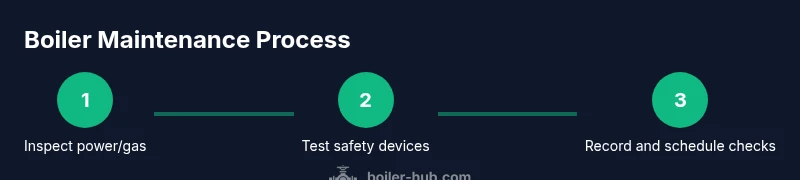
A practical approach organizes tasks into three horizons: monthly micro-checks, seasonal adjustments, and an annual professional service. Monthly checks cover basic operation signals, thermostat settings, and vent cleanliness. Seasonal tasks focus on the condensate drain, safety devices, and venting in preparation for heating season. The annual visit by a licensed technician verifies safety controls, tests gas pressure, and cleans critical components. This structure aligns with the maintenance of boiler best practices and helps homeowners avoid surprises during peak demand. By keeping a systematic schedule, you ensure the maintenance of boiler tasks stays manageable and effective across the year.
Pre-season inspection checklist
Before the heating season begins, run through a concise checklist to set your boiler up for reliable operation. Inspect the power switch and thermostat, check for obvious gas or water leaks, and verify venting paths are clear. Examine the burner area for soot and residue, and test the flame sensor. Ensure CO detectors are functional and in appropriate locations. Keep your boiler manual handy for model-specific guidance on limits and settings. This proactive check reduces the risk of faults when demand spikes, and helps you capture issues before they impact comfort.
Common issues prevented by regular maintenance
Regular maintenance minimizes common boiler problems such as erratic ignition, pressure fluctuations, leaks, and noisy operation. By cleaning flame sensors, tightening connections, and flushing the condensate trap, you prevent gradual performance decline. When problems are caught early, energy consumption stays stable and safety devices remain functional. The maintenance of boiler routine also helps you spot wear on gaskets, seals, and valves before they fail catastrophically. Staying ahead with proactive checks makes winter heating more reliable and cost-effective.
Checking the burner, ignition, and safety controls
A critical part of the maintenance of boiler is inspecting the burner and ignition system. Look for a blue, steady flame; a yellow or flickering flame indicates incomplete combustion. Check the flame sensor and ignition module for buildup and wear. Test safety controls, including the high-limit switch and the flame safeguard system, to ensure they respond promptly. If any control is unresponsive, do not attempt risky adjustments—schedule professional service. Document any abnormal readings to aid future diagnostics.
Bleeding radiators, air removal, and balancing the system
Air in radiators reduces heat transfer and creates cold spots. Begin at the highest floor and work downward, using a bleed key to release trapped air until a steady stream of water comes out. After bleeding, check the boiler pressure (per the manual) and compensate if needed. Once all radiators are vented, rebalance the system so heat is distributed evenly. Refer to the boiler manual for the recommended pressure range and bleeder procedure. Proper air removal improves efficiency and reduces boiler strain.
Thermostats, controls, and energy-saving settings
Modern boilers pair with programmable thermostats to optimize comfort and energy use. Verify the thermostat is communicating with the boiler, and adjust schedules so heating runs only when needed. Check the boiler’s outlet temperature setting and ensure it aligns with the home’s insulation and occupancy patterns. This alignment is a key part of the maintenance of boiler that yields energy savings without sacrificing warmth. Consider enabling eco-mode features if your boiler supports them.
Maintenance by boiler type: combi vs conventional vs system
Different boiler configurations demand slightly different maintenance routines. Combi boilers often require more frequent descaling of the heat exchanger in hard water areas, while system boilers emphasize circulating pumps and expansion tanks. Conventional boilers may require careful inspection of the venting and ash buildup in older flue installations. Always consult the model-specific instructions in your boiler manual and consider region-specific water quality when planning maintenance of boiler tasks. Tailoring your approach to your boiler type improves reliability and efficiency.
DIY vs professional servicing: safety, limits, and decision criteria
DIY maintenance can handle routine checks and minor cleaning if you follow safety guidelines. However, tasks involving gas fittings, pressure adjustments, or venting should be performed by licensed technicians. Evaluate your experience, follow local codes, and remember that improper service can create hazards. The maintenance of boiler is most effective when you combine DIY vigilance with periodic professional inspections. When in doubt, schedule a pro—your safety and boiler’s longevity depend on it.
Record-keeping and scheduling maintenance
Keep a detailed log of every check, cleaning, and replacement. Note dates, observations, readings, and any parts replaced. Use a calendar reminder to schedule seasonal tasks and annual service. Retaining records makes warranty management easier and helps you track system performance over time. This habit supports the long-term health of the boiler and reduces the chance of missed maintenance. A well-kept log also makes it easier to communicate issues to a technician.
Authoritative sources
- ENERGY.GOV: Boiler safety and basic maintenance guidelines
- OSHA.GOV: Workplace safety standards relevant to boiler servicing
- NFPA.ORG: Fire and life safety codes related to combustion appliances
Tools & Materials
- Screwdrivers (Phillips and flathead)(Set includes #2 Phillips and 3/16" flathead; for panel screws)
- Wrench set (adjustable and fixed sizes)(Needed to loosen fittings; avoid over-torquing)
- Multimeter(Electrical checks for controls and wiring)
- Gas leak detector or soap solution(Check joints for leaks; never use an open flame)
- Boiler manual(Model-specific guidance and safety clearances)
- Soft brush and cloth(Clean around burners and flame sensor)
- Radiator bleed keys(Bleed each radiator to remove air)
- Vacuum with hose(Clean dust from accessible areas)
- Pressure gauge or manometer(Verify system pressure per manual)
- Carbon monoxide detector(Place near boiler; test monthly)
- Safety gloves and eye protection(Personal protective equipment)
- Plumber's tape/ sealant(For resealing joints if needed)
Steps
Estimated time: 90-120 minutes
- 1
Power down and isolate utilities
Turn off boiler power at the main switch, shut off the gas supply valve if accessible, and verify area is safe before opening any panels.
Tip: Always confirm power is off with the multimeter before touching wiring. - 2
Review safety clearances and manuals
Check clearance around the boiler, ensure vents are unobstructed, and locate the model-specific safety instructions in the manual.
Tip: Take a photo of connections before removing any panels for reference. - 3
Inspect burner and flame sensor
Open the burner area and inspect for soot or buildup. Ensure the flame is blue and steady; a yellow flame indicates incomplete combustion.
Tip: If you see soot, do not attempt deep cleaning—schedule professional service. - 4
Test safety devices
Test the high-limit switch and flame safeguard to confirm proper response during simulated faults.
Tip: If a device fails, stop and arrange professional service immediately. - 5
Check boiler pressure
Review the pressure gauge and ensure it sits within the manufacturer’s recommended range. Do not adjust beyond what the manual allows.
Tip: If pressure is off, follow the manual’s steps for safe re-pressurization or call a pro. - 6
Bleed radiators
Starting from the top floor, use a bleed key to release trapped air until water runs steadily.
Tip: Bleed when radiators are warm, not hot, to avoid scalding and equipment damage. - 7
Inspect condensate drain and trap
Check the condensate drain for blockages and the trap for signs of wear or leaks.
Tip: Clear any minor obstructions with manufacturer-approved methods. - 8
Inspect venting and exhaust
Look for corrosion, cracks, or blockages in the vent pipe and flashing around the roof connection.
Tip: Never reuse damaged vent components; replace them with approved parts. - 9
Test thermostat and controls
Verify communication between thermostat and boiler, and confirm setpoints align with comfort needs.
Tip: Program schedules to match occupancy to maximize energy savings. - 10
Clean panels and exterior
Wipe the exterior, remove dust, and ensure controls are dry before reassembly.
Tip: Avoid harsh solvents that can degrade plastics or gaskets. - 11
Document results and schedule next maintenance
Record readings, issues, and actions; set a reminder for the next seasonal check.
Tip: Keep a maintenance log in a central location for quick reference. - 12
Final safety check
Ensure the area is clear, CO detectors are functioning, and the gas supply is safely re-enabled if you fully shut it off.
Tip: If you smell gas at any time, evacuate and call the gas company immediately.
Questions & Answers
How often should I service my boiler?
Most boilers benefit from an annual professional service, with monthly DIY checks to monitor function and performance.
Aim for an annual professional service and keep up with simple monthly checks.
Can I perform boiler maintenance myself?
You can perform basic safety checks and cleaning if you follow safety guidelines, but complex tasks with gas and pressure should be handled by a licensed technician.
Basic checks are okay if you stay within your comfort zone; call a pro for complex work.
Why is boiler pressure important?
Correct pressure helps maintain efficiency and prevents leaks. Always follow the manual’s target range and method for adjusting pressure.
Keep the pressure within the manual’s range to avoid problems.
What are signs my boiler needs maintenance now?
Look for banging noises, leaks, cold spots on radiators, or pilot light failures. These indicate maintenance is due.
If you hear noises or see leaks, it’s time to check or call a pro.
Is bleeding radiators part of maintenance?
Bleeding radiators to remove air improves heat output and efficiency as part of routine maintenance.
Bleeding helps radiators heat evenly and efficiently.
What should I do if I smell gas?
If you smell gas, leave the area immediately, avoid igniting anything, and call the gas company or emergency services right away.
Leave now and contact emergency services if you smell gas.
Should I replace parts myself if they fail?
Most parts replacement requires professional knowledge; do not attempt risky replacements without training.
Don't replace risky parts yourself—call a professional.
Watch Video
Key Points
- Schedule regular boiler maintenance for safety and efficiency.
- Different boiler types require tailored upkeep.
- Keep a detailed maintenance log for reliability.
- DIY checks are limited; call a pro for complex tasks.
- Regular checks support energy savings and long-term performance.