What Causes Boiler Over Pressure: Troubleshooting Guide
Learn common causes of boiler over pressure, safe diagnostics, and practical fixes. A Boiler Hub guide for homeowners and managers to prevent pressure spikes.


Most boiler over pressure is caused by a failing pressure relief valve or expansion tank issues. Start by testing the relief valve and releasing pressure safely. If the gauge remains high, inspect the expansion tank for recharge needs, leaks, or air. Do not operate a boiler under high pressure; shut it down and seek professional help if you cannot safely reduce pressure.
What causes boiler to over pressure? Understanding the risk and key concepts
The phrase what causes boiler to over pressure captures a safety-critical issue in heating systems. When a boiler heats water, the liquid expands. If the system cannot vent this expansion through a properly set pressure relief device or absorb it via an expansion tank, pressure builds. Overpressure is dangerous because it can trigger leaking seals, damaged piping, or a relief valve opening excessively. According to Boiler Hub, safety devices are the last line of defense, but only when they function correctly. A well-maintained system minimizes pressure spikes and protects occupants. In practical terms, understanding these dynamics helps homeowners and facility managers act quickly and safely. The goal is to prevent sudden pressure spikes that could damage components or create hazardous conditions around the boiler room.
Key takeaway: Regular checks of safety devices and expansion components reduce the risk of dangerous pressure rises in heating systems.
Primary culprits: faulty pressure relief valve and expansion tank failures
Two of the most common culprits behind pressure spikes are a faulty pressure relief valve (PRV) and a malfunctioning expansion tank. A PRV that sticks or leaks won’t vent excess pressure, causing readings to climb. An expansion tank that is waterlogged, damaged, or undersized cannot absorb the water expansion as the boiler heats up, letting pressure rise instead. Other contributing factors include poor system design, oversized boilers for the heat load, and improper filling practices. In many homes, the PRV is the culprit, while in commercial settings, expansion tank issues and system calibration play bigger roles. Regular inspection and testing of these components are essential parts of boiler maintenance.
Observation cue: If you hear the relief valve venting frequently or notice a steady climb in the gauge during normal operation, focus on the PRV and expansion tank as the most likely causes.
How filling practices and system design contribute
Improper filling and poor system design can lead to higher baseline pressures. Overfilling the boiler or adding water too quickly prevents the system from absorbing thermal expansion, pushing pressure upward. Conversely, an underperforming feed water valve or a blocked feed line can simulate overpressure by failing to deliver water where needed, altering pressures during heating cycles. System design matters too: oversized boilers, undersized expansion tanks, or inadequate venting paths increase the likelihood of pressure spikes during peak demand or rapid heat-up. In small buildings, a compact system with limited expansion capacity is especially sensitive to even modest temperature changes. Understanding your specific boiler type and its expansion needs helps tailor preventative maintenance.
Practical note: Always match the expansion tank size to the boiler’s hot-water volume and the building’s heating load.
The role of air in the system and how purging helps
Air trapped in a hydronic heating loop can cause misleading pressure readings. Air may compress slightly and raise pressure during startup or heat cycles, especially if pockets form in radiators or at high points in the loop. Purging air from the system releases accumulated gas and stabilizes pressure fluctuations. If air pockets persist, they can cause periodic cycling of pumps and valves that stress the relief system. Regular purging is a simple, effective maintenance step that reduces false high-pressure readings and extends component life. When purging, never force water through a closed loop forcefully; follow proper bleed procedures and wear eye protection.
Note: Air removal is a common preventive measure that improves system efficiency and reduces unnecessary strain on safety devices.
Signs you have a pressure problem during operation
Several indicators point to pressure problems. Temperature oscillations, noisy boiler operation, and frequent cycling of the relief valve are red flags. A steadily rising pressure gauge during heating, especially when the boiler has reached normal operating temperature, suggests a PRV or expansion-tank issue. Leaks around joints, valves, or the relief outlet can also accompany overpressure. Do not ignore these signs; a delay in addressing pressure problems increases the risk of equipment damage or boiler lockouts. Track changes in the system’s pressure and temperature pattern to identify when to inspect the relief valve and expansion components.
Warning: Do not ignore abnormal pressure changes; they can indicate imminent failure or dangerous conditions.
Safe diagnostic steps you can perform now
Begin with safe, non-invasive checks before touching hot components. Verify the boiler has cooled and power is isolated. Check the pressure gauge; compare it to your system’s baseline if you have one. Inspect the relief valve for signs of leaking or sticking. If the valve feels stiff or is not seating properly, it’s a strong candidate for replacement. Examine the expansion tank for corrosion or a waterlogged appearance; if the tank is full of water or the bladder is compromised, replacement is required. Ensure the system is not overfilled and that the fill line is feeding correctly. If you notice any signs of corrosion or leakage, stop and call a professional. These steps help narrow down the root cause while minimizing risk to you and the equipment.
Step-by-step checks for the most common causes
- Verify the boiler is cool and powered off. 2. Read the pressure gauge and note any sustained high readings. 3. Inspect the pressure relief valve for leaks or stiffness. 4. Test the valve by gently operating the lever (only if you know how and the boiler is safe to access). 5. Check the expansion tank: look for rust, seepage, or a waterlogged appearance; test the air charge if you have a proper gauge. 6. Inspect the fill line and feed valve for blockages or improper adjustment. 7. Bleed air from radiators at high points to release any trapped gas. 8. If pressure remains high after these checks, we recommend contacting a professional to avoid injury or damage.
Immediate fixes you can perform safely
If you are confident and the boiler is cool, you can attempt immediate safety steps: gently release some pressure through the relief valve only if you are trained and it's safe to do so; otherwise, shut down the boiler and call a technician. Recheck the expansion tank for charge and integrity. Correct any obvious fill-line issues and re-fill gradually if instructed by a technician. Avoid attempting permanent repairs yourself on gas-fired boilers. The goal is to reduce pressure to safe levels while maintaining system safety and preventing further damage.
Prevention: routine maintenance to avoid future overpressure
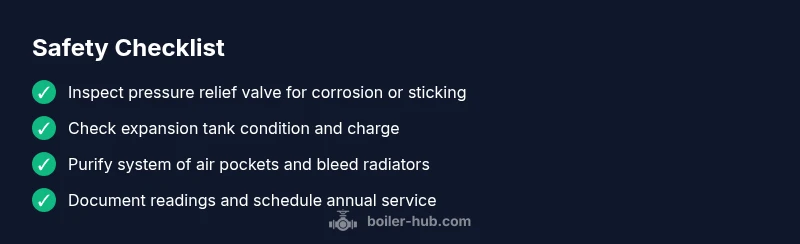
Preventing overpressure starts with a proactive maintenance plan. Schedule annual boiler service, including PRV and expansion-tank inspection, valve seating checks, and venting path verification. Keep expansion tanks properly charged and sized for your load, and ensure proper system fill procedures. Maintain clear, accessible valves and outlets in the boiler room, and document any pressure changes in a maintenance log. Regular testing of safety devices and timely replacement of worn components significantly lower the risk of dangerous pressure spikes. This preventive approach supports long-term reliability and safety.
When to call a professional
If pressure fluctuates unexpectedly, if the relief valve leaks continuously, or if you notice signs of water leakage around joints and valves, contact a licensed technician promptly. High-pressure events can cause severe injuries, property damage, or gas-related hazards. A qualified technician can safely depressurize the system, inspect the PRV, expansion tank, and feed lines, and perform any required replacements or repairs with the correct tools and procedures. Regular professional checks help ensure ongoing safe operation and compliance with local codes.
Conclusion and safety reminders (Boiler Hub perspective)
Boiler over pressure is not something to ignore. A methodical approach—checking safety devices, expansion components, and fill practices—reduces risk and extends boiler life. The Boiler Hub team emphasizes safety and prevention, urging homeowners and facility managers to follow maintenance schedules, document findings, and seek professional help when in doubt. Keeping an eye on pressure behavior and performing routine checks is the best defense against dangerous pressure spikes.
Steps
Estimated time: 2-4 hours (including cooling and testing)
- 1
Isolate and cool the boiler
Turn off power and allow the boiler to cool before inspection. This minimizes scald risk and protects you from sudden pressure release.
Tip: Never open the boiler while hot; wait for cooling and use proper PPE. - 2
Check the pressure gauge
Read the current pressure and compare it with your system’s baseline. Note sustained high readings during heating. This helps confirm whether pressure is abnormal.
Tip: Take a photo of the gauge for reference and any service reports. - 3
Inspect the pressure relief valve
Look for signs of leakage or stiffness. A valve that won’t seat properly can allow buildup. If it looks clogged or seized, replacement is required.
Tip: Do not force the lever; follow manufacturer guidance or call a pro. - 4
Examine the expansion tank
Assess if the tank is waterlogged or corroded. A failed bladder prevents absorption of thermal expansion, driving pressure up.
Tip: Check the air charge if you have the right tool; recharge as specified by the manufacturer. - 5
Evaluate the fill line and controls
Ensure the feed valve is correct and the system isn’t being overfilled. Incorrect settings can push pressure higher.
Tip: Make small adjustments and test after each change. - 6
Purging and bleeding air
Bleed air from radiators and purge the loop where air pockets form. Air pockets skew readings and can mimic overpressure.
Tip: Always vent slowly to avoid spurting water. - 7
Re-test system pressure
With the boiler back on, monitor the pressure during a normal cycle. Confirm it stabilizes within the safe range.
Tip: If pressure still climbs, escalate to professional service. - 8
Document and schedule maintenance
Record findings and schedule a professional inspection. Regular service reduces future risk and improves efficiency.
Tip: Keep a maintenance log handy for quick reference.
Diagnosis: Boiler pressure rising and gauge not returning to normal after heating cycle
Possible Causes
- highFaulty pressure relief valve
- highWaterlogged or failed expansion tank
- mediumOverfilling or improper water fill
- lowAir in the system
Fixes
- easyTest the relief valve for proper operation and replace if necessary
- mediumInspect expansion tank; recharge or replace if bladder is compromised
- easyCheck fill line and reduce overfilling; balance system water carefully
- easyPurges air from the system and re-checks pressure readings
Questions & Answers
What causes boiler over pressure and how serious is it?
Overpressure is usually caused by a faulty pressure relief valve or a failing expansion tank. It can lead to leaks, equipment damage, and potential safety hazards if not addressed promptly. Regular checks help keep your system safe.
Overpressure is mainly caused by valve or expansion tank issues, and it can be dangerous if ignored; get it checked soon.
How can I safely test a pressure relief valve?
Only test if you know the procedure and the boiler is safe to access. Use a valve lever gently, and never force the valve. If you suspect a fault, replace the valve and consult a pro.
Safely test the relief valve only if you’re trained; if in doubt, call a technician.
Should boiler pressure be high or normal during operation?
Boiler pressure should remain within the normal operating range during operation. If it rises and holds, investigate the relief valve, expansion tank, or fill system as potential causes.
Pressure should stay within normal range; rising pressure means you should inspect safety devices and tanks.
Can air in the system cause high pressure readings?
Air pockets can cause inconsistent readings and compact the system flow, which can mislead pressure readings. Purging air often stabilizes pressure.
Air pockets can make readings seem high; purging helps normalize the readings.
When is it necessary to call a professional?
If pressure remains high after basic checks, if the PRV leaks continuously, or if you notice leaks around joints, contact a licensed technician to depressurize and inspect safely.
Call a pro if pressure stays high or you see leaks.
What maintenance prevents over pressure?
Annual boiler service, regular PRV checks, and ensuring expansion tanks are correctly charged and sized prevents many overpressure scenarios.
Regular service and checks prevent pressure problems.
Watch Video
Key Points
- Check the PRV and expansion tank first
- Never ignore rising pressure—risk of dangerous failure
- Regular maintenance prevents unfortunate spikes
- Document readings and seek professional help when in doubt