Repair Boiler: A Practical How-To for Homeowners (2026)
Learn how to safely diagnose and address common boiler problems with practical, step-by-step guidance from Boiler Hub. This 2026 guide covers safety, tools, fault codes, pressure checks, ignition issues, leak detection, and when to call a professional.


You will learn how to safely diagnose and address common boiler problems in a home setting, perform essential maintenance, and identify when professional service is required. This quick guide covers safety precautions, required tools, fault-code interpretation, pressure and water-flow checks, ignition issues, and basic leak-detection steps. It also highlights risk factors, warning signs, and safe shutdown procedures.
Why repairing boiler safely matters
Boilers are complex systems that mix gas, electricity, and high-temperature water. When something goes wrong, the risk isn't just inconvenience; it can threaten your home's safety. According to Boiler Hub, attempting DIY repairs without proper precautions can lead to dangerous outcomes such as gas leaks, carbon monoxide exposure, scalds, or fires. A disciplined approach—recognizing symptoms early, verifying fuel and electrical shutoffs, and following manufacturer guidelines—reduces risk and protects occupants. A basic troubleshooting routine minimizes danger and avoids creating new problems while you restore heating. Remember that boiler systems vary by model, so always consult your manual and local codes before touching critical components.
How boilers work: a quick refresher
A modern boiler typically comprises a burner, heat exchanger, circulator, expansion tank, and controls. The burner creates heat by burning gas or oil, which raises water temperature in the heat exchanger. The circulator moves heated water through radiators or underfloor pipes, while the expansion tank accommodates pressure changes. Controls regulate temperature, pressure, and safety devices. Understanding these parts helps you spot which subsystem might be failing and guides safe, targeted inspection rather than random tinkering. This knowledge also informs how to interpret error codes and maintenance reminders from the manufacturer.
Common fault indicators
No heat or hot water, banging noises, or frequent cycling can signal a boiler issue. Puddling, damp spots, or a musty smell near the unit may indicate leaks or condensate problems. Localized corrosion around joints, rusty discolored water, or a pilot light that won’t stay lit can point to worrisome wear in seals or gaskets. Many boilers display fault codes on a digital display or blinking lights. Your task is to note the exact code and consult the manual or a professional if the code indicates safety concerns. Early symptom recognition speeds up safe, effective troubleshooting.
Safety pre-checks before you begin
Before touching any boiler components, turn off power to the boiler and shut off the gas supply if you can do so safely. Verify absence of voltage with a tester and ensure ventilation in the area to avoid gas accumulation. Install a working carbon monoxide detector nearby and keep children and pets away from the work area. If you smell gas or detect a hissing noise, evacuate the premises and call emergency services. Safety first reduces the risk of harming yourself or others during a repair attempt.
Tools and supplies checklist
- Safety goggles – Eye protection to guard against fluids and sparks
- Work gloves – Heat-resistant gloves suitable for boiler work
- Adjustable wrench – 2–14 mm range
- Screwdrivers (Phillips and flat-head) – Assorted sizes
- Multimeter or voltage tester – Check electrical components safely
- PTFE tape – For pipe connections
- Shop towels – Cleanups and spills
- Replacement gaskets or seals – Keep spares for wear
- Gas leak detector spray – Optional for quick leak checks
Optional but helpful tools: non-contact voltage tester, pipe wrench, torque wrench. Having the right tools reduces risk and speeds up diagnosis.
Step-by-step diagnosis overview
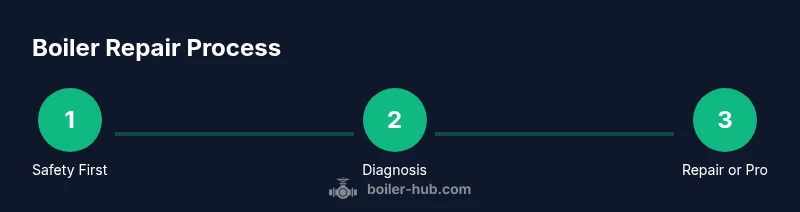
A structured approach keeps you focused and safe. Start with a simple evaluation of heat and water flow, then verify controls and safety devices. Check electrical connections, gas supply status, and the condensate line for blockages. Keep a notebook of observations and error codes to guide decision-making about DIY fixes versus professional service. This overview is designed to complement the step-by-step instructions that follow and prevent you from missing obvious hazards.
Handling ignition and burner issues
Ignition and burner problems are common culprits for no-heat conditions. Inspect the ignition electrode and flame sensor for buildup and clean them gently with a soft brush if you see carbon deposits. Ensure the gas valve is fully open and that the gas supply line is undamaged. If the burner lights but then shuts off, look for draft issues, clogged nozzles, or faulty safety switches. Never bypass safety components to force ignition; misfires can be dangerous.
Tip: Use manufacturer guidance for cleaning intervals and replacement parts; avoid harsh cleaners that can corrode metal surfaces.
Checking pressure, temperature, and expansion tanks
Most boilers require the system pressure to sit within the manufacturer’s recommended range when cold. Check the pressure gauge and compare it with the label on the boiler. If pressure is too low, you may need a controlled refill procedure; if it’s too high, you should bleed radiators or relieve pressure safely as instructed. Inspect the expansion tank for proper air cushion; a waterlogged tank can prevent pressure stabilization. Remember to recheck after any adjustment to ensure stable operation.
Inspecting for leaks and seals
Carefully examine joints, pipework, valves, and seals around the boiler for signs of moisture, corrosion, or dried mineral deposits. Leaks may be small at first but can worsen quickly, leading to water damage or mold. Tighten fittings within safe torque ranges and replace worn gaskets as needed. If you see active leaks from a cracked heat exchanger, do not attempt to seal it yourself—heat exchanger failure typically requires professional replacement.
Basic cleaning and maintenance routine
Regular maintenance reduces the likelihood of sudden failures. Clean dust and debris from around the burner and vents to maintain efficient combustion. Replace air filters if your system uses them, and check the condensate drain for clogs. Keep boiler area dry and unobstructed to prevent overheating and improve safety. Document maintenance dates and any parts replaced for warranty and future service references.
When to DIY vs call a pro
Certain tasks are safe for a confident homeowner, but any work involving gas supply, gas lines, or high-pressure parts should be handled by a licensed technician. If you’re unsure about a pressure reading, a gas smell, or alarm codes that indicate a potential safety issue, stop and call a pro. Regular professional servicing, at least annually, helps maintain efficiency and safety while extending equipment life.
Documentation and long-term planning
Create a simple boiler repair log: note symptoms, dates, codes, actions taken, parts replaced, and test results. Store owner’s manuals, warranty information, and service records in a dedicated binder. A documented history makes future diagnostics faster and supports warranty claims. Consider scheduling seasonal checks ahead of winter peak demand and updating CO detectors and alarms to ensure ongoing safety.
Tools & Materials
- Safety goggles(Eye protection to guard against fluids and sparks)
- Work gloves(Heat-resistant gloves suitable for boiler work)
- Adjustable wrench(2- to 14-mm range)
- Screwdrivers (Phillips and flat-head)(Assorted sizes)
- Multimeter or voltage tester(Check electrical components safely)
- PTFE tape(For pipe connections)
- Shop towels(Cleanups and spills)
- Replacement gaskets or seals(Spare seals for wear)
- Gas leak detector spray(Optional for quick leak checks)
Steps
Estimated time: Total time: 1-2 hours
- 1
Shut down and isolate power and fuel
Power off the boiler at the service switch, shut off the gas supply if safe to do so, and close the local isolation valve if present. This prevents accidental ignition or gas release during inspection.
Tip: Always verify power and fuel are truly isolated with a tester before touching any components. - 2
Verify electrical power and controls
Turn off electrical power at the breaker and confirm there is no voltage at accessible terminals with a multimeter. Check that control wiring is intact and label any disconnected wires for later reassembly.
Tip: If you see damaged insulation or corroded connectors, pause and replace damaged parts instead of continuing. - 3
Check thermostat and control wiring
Inspect the thermostat settings and wiring to the boiler, ensuring correct temperature targets and no loose connections. If the thermostat is wireless, replace batteries and re-pair it according to the manual.
Tip: A misreading thermostat can mimic many other issues; verify with a test after reassembly. - 4
Inspect ignition and burner area
Look for carbon buildup on the burner and ignition electrode. Clean gently with a soft brush, and ensure the flame sensor is clean and positioned correctly. Reassemble and test ignition per manufacturer guidelines.
Tip: Use manufacturer-approved cleaners and avoid abrasive tools that could damage components. - 5
Check boiler pressure and refill if needed
Read the pressure gauge when the boiler is cold. If below the recommended range, perform a careful refill following the manual’s procedure. Do not overfill; observe the pressure after a short heat cycle.
Tip: Pour slowly and stop if the gauge nears the max limit to avoid over-pressurizing. - 6
Inspect seals and joints for leaks
Inspect all joints, valves, and seals for moisture or corrosion. Tighten or replace worn seals as needed, and apply appropriate sealant or tape where permitted by the manufacturer.
Tip: If you’re unsure about a seal’s condition, replace it rather than attempting a temporary fix. - 7
Run a safety test and observe operation
Restore power and gas, run a test cycle, and listen for abnormal noises, watch for leaks, and monitor pressure behavior. Record any abnormal readings or codes for follow-up.
Tip: If anything unusual appears, turn off the boiler and seek professional help rather than pushing through.
Questions & Answers
Is DIY boiler repair safe for a homeowner?
DIY is appropriate for simple maintenance tasks, but any work involving gas or electrical systems should be done by a licensed professional. If in doubt, err on the side of safety and seek professional help.
DIY tasks are fine for basic checks, but never work on gas lines or electrical components without a pro.
What are the most common boiler problems homeowners face?
Common issues include no heat or hot water, odd banging noises, visible leaks, incorrect pilot light operation, and fault codes on the display. Identifying the symptom helps direct whether DIY steps are appropriate or professional service is needed.
Most people notice no heat, leaks, or odd noises first; note the symptom and codes.
What tools do I need for a basic boiler inspection?
At minimum, use safety goggles, gloves, an adjustable wrench, screwdrivers, a multimeter, PTFE tape, and shop towels. These tools support safe inspection and minor maintenance without specialized equipment.
Grab basic hand tools, a multimeter, and protective gear to start a check.
Can I fix a boiler leak myself?
Small, slow leaks may be addressable by tightening joints or replacing seals, but active leaks from the heat exchanger or gas lines require a licensed professional. Never attempt to seal a gas leak yourself.
If you smell gas or see a significant leak, leave the area and call for help now.
When should I replace my boiler rather than repair it?
If the boiler is aging, shows frequent failures, or repair costs are high relative to a replacement, replacement is often more economical and safer long-term. Consult a professional for a cost-benefit assessment.
If it keeps failing or is old, replacement may be the smarter choice.
What safety steps reduce risk during boiler repairs?
Ensure adequate ventilation, use CO detectors, shut off power and gas, wear PPE, and never bypass safety devices. If uncertain, pause and contact a pro.
Safety comes first—don’t skip CO detectors and shutdown procedures.
Watch Video
Key Points
- Identify hazards before touching boiler components
- Use the right tools and follow the manufacturer’s guidance
- Check pressure, heat, and leaks first to narrow causes
- Know when to call a licensed professional for safety-critical repairs
- Document maintenance and repair history for warranty and future servicing