How to Stop Boiler from Overheating: A Practical Guide
Discover proven methods to stop a boiler from overheating, diagnose causes, and restore safe operation. Boiler Hub provides practical tips for homeowners and facilities.


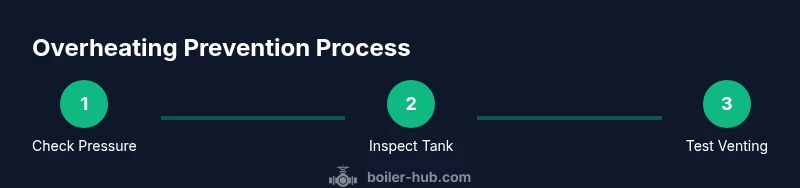
To stop a boiler from overheating, shut it down safely, then inspect major risk areas. Check pressure and venting for blockages, test the expansion tank, and confirm water levels are within the recommended range. If you detect abnormal sounds, leaks, or a persistent heat buildup, stop using the system and seek professional help. This quick path covers immediate safety and practical fixes.
Why Boilers Overheat
According to Boiler Hub, overheating is often caused by a combination of high water temperature, restricted flow, and faulty controls. When the burner runs too long or the circulator struggles to move water, heat builds up in the boiler and piping. Overheating can degrade components, cause venting to blow steam, and increase energy costs. In older systems, mineral buildup reduces efficiency; modern boilers with electronic controls may shut down or alarm. This section explains the consequences and the safety risks of overheating, including potential pressure buildup that can lead to leaks or failure. It's essential to act quickly but safely to prevent damage and reduce the risk of fire or scalding.
Common Causes of Overheating
Boiler Hub analysis shows that overheating is usually caused by restricted flow, incorrect pressure, failing expansion tanks, blocked venting, or poor water quality. Common signs include high return water temperatures, frequent cycling, and loud banging. The following subsections help you identify the specific culprits in your system and outline practical fixes.
- Restricted flow: Sludge, mineral buildup, or closed balancing valves can choke the loop, making the boiler work harder and overheat.
- Incorrect pressure: An out of range operating pressure reduces heat transfer efficiency and triggers malfunctions.
- Faulty expansion tank: A waterlogged or failed tank allows pressure to spike when the system heats up.
- Blocked venting: Obstructed chimneys or vents trap hot gases and raise temperatures inside the boiler cabinet.
- Poor water quality: Hardness and dissolved minerals reduce heat exchange efficiency and accelerate scale buildup.
In some cases, overheating can be linked to age or a failed sensor. Early signs include frequent temperature fluctuation, louder than normal operation, and occasional system alarms. Always cross-check with your boiler’s manual and adhere to local safety standards.
Immediate Safety Steps to Take
When you suspect overheating, safety comes first. Do not ignore warning signs or continue to operate the boiler. Turn off the boiler power at the service switch or disconnect the electrical supply if you are trained to do so. Allow the unit to cool before inspection. Keep clear of hot surfaces and steam, and ensure children and pets stay away from the equipment. If you notice steam, a hissing sound, or pooling water near the boiler, evacuate the area and contact a licensed technician. These steps reduce the risk of burns, scalding, and fire.
Troubleshooting: Diagnostic Checklist
This section provides a structured approach to diagnose overheating without triggering unnecessary alarms. Start with the simplest checks and progress to more involved tests.
- Verify operating temperature and pressure: Compare gauge readings to the manufacturer spec.
- Inspect expansion tank: Look for water saturation or loss of diaphragm function.
- Check for flow restrictions: Inspect filters, pumps, and valves; ensure the circulator is running smoothly.
- Assess venting and combustion safety: Ensure the flue is clear and the vent terminates safely.
- Examine for leaks and corrosion: Look at joints, gaskets, and heat exchangers for signs of damage.
- Review electrical controls: Faulty limit switches or sensors can cause the heat to overshoot the setpoint.
- Inspect water quality: Scale buildup reduces heat transfer; consider a water treatment plan if needed.
- Calculate duty cycle: A boiler that runs almost continuously may indicate a miscalibration or a demand that exceeds the system’s design.
Preventive Maintenance to Stop Overheating Long-Term
Prevention is more effective than remediation. Routine maintenance reduces the likelihood of overheating and extends equipment life. Establish a seasonal service plan and stick to it. Key long-term practices include:
- Regular professional inspections: A qualified technician should verify burner efficiency, nozzle condition, and control calibration at least once a year.
- Check and reset pressure settings: Use the boiler manual to ensure pressure is within the recommended range and verify the pressure relief valve is functioning.
- Inspect and service the expansion tank: Ensure it is correctly charged and free of leaks.
- Clean and service heat exchangers: Scale and debris impede heat transfer and contribute to overheating.
- Inspect safety devices: Test limit switches, alarms, and the high-temperature cutoff to ensure proper operation.
- Maintain clean water quality: Use water treatment if your area has hard water to minimize mineral buildup.
- Bleed air from radiators if present: Air pockets reduce efficient heat transfer and can cause hot spots in the loop.
Following these practices reduces overheating risk and saves energy costs over time. The goal is steady operation within the design specifications, not extreme cycles that stress the boiler.
When to Call a Professional
While many overheating issues can be addressed with basic maintenance, some situations require a licensed technician. If you observe persistent overheating after performing basic checks, recurring alarms, unusual noises, or visible damage to the burner or venting system, contact a qualified boiler technician promptly. A professional can perform a combustion analysis, verify venting integrity, and test safety devices to prevent further damage and ensure code compliance. Do not attempt to reroute venting or bypass safety controls.
Quick Maintenance Routine for Homeowners
A concise routine keeps overheating at bay between annual inspections. This routine focuses on safe, basic checks you can perform with the right precautions.
- Check temperature and pressure: Record readings and compare to the manufacturer recommendations.
- Inspect expansion tank visually: Look for corrosion or leakage and ensure the diaphragm is not saturated.
- Clear venting pathways: Ensure the flue and any intake vents are unobstructed.
- Inspect for leaks: Check joints, valves, and seals for signs of moisture.
- Review thermostat or control settings: Confirm setpoints align with the system’s design and energy needs.
- Schedule a service reminder: Mark a date for a professional check to stay ahead of wear and errors.
This routine helps maintain safe and efficient operation while reducing the risk of overheating.
Common Myths About Boiler Overheating
There are several myths that can lead to unsafe fixes. For example, simply cranking up the thermostat to reduce heat pockets is not a solution and can worsen overheating. Do not seal vents to improve efficiency, as proper venting is essential for safe operation. Real prevention relies on correct pressure, clean heat exchange, and timely maintenance.
Quick Reference: Signs You Might Be Overheating Too Fast
Knowing the warning signs helps you act quickly. Look for rising boiler temperatures above the normal range, frequent cycling, loud banging, pressure spikes, or alarms from the control panel. If you encounter any of these indicators, shut down as advised and consult a professional promptly.
Tools & Materials
- Service manual for boiler model(Keep handy for spec checks and limits)
- Lockout-tagout kit(Use if working on electrical controls)
- Multimeter(For electrical testing when safe)
- Wrench set and screwdrivers (Phillips + flat)(For accessing valves and panels)
- Pressure gauge and manometer(To verify system pressure)
- Expansion tank tester or replacement(Check or replace if saturated)
- Safety gloves and eye protection(Personal protective equipment)
- Bucket and rags(Contain minor leaks during inspection)
Steps
Estimated time: Total time: 60-120 minutes
- 1
Power down and cool
Shut off power to the boiler at the switch or panel. Allow the unit to cool before touching any components. This minimizes burn risk and avoids electrical hazards during inspection.
Tip: Tag the switch to prevent accidental re-energizing while you work. - 2
Check pressure and reset if needed
Read the operating pressure on the boiler gauge and compare with the manufacturer spec. If pressure is too high, follow the manual to safely vent or relieve pressure.
Tip: Do not exceed the recommended pressure; small adjustments can have big effects on heat transfer. - 3
Inspect expansion tank
Locate the expansion tank and check for signs of waterlogging or a failed diaphragm. A faulty tank can cause pressure spikes and overheating.
Tip: Tap the tank: a hollow sound indicates air in the tank while a dull sound indicates waterlogging. - 4
Look for flow restrictions
Inspect filters, valves, and the circulator pump for blockages or partial failures. Poor flow forces the boiler to work harder and overheat.
Tip: Clear or replace clogged filters; confirm the pump is spinning in the correct direction. - 5
Check venting and combustion safety
Ensure the flue and venting paths are unobstructed and that combustion is safe. Blocked vents can trap heat and cause overheating indoors.
Tip: Never bypass venting; call a pro if you suspect venting or combustion issues. - 6
Inspect for leaks and corrosion
Examine joints, seals, and heat exchangers for signs of moisture or corrosion. Leaks can contaminate water and reduce heat transfer efficiency.
Tip: Apply approved sealants only as directed by the manual; avoid forcing fittings. - 7
Confirm safety devices are functional
Test high-temperature cutoffs, limit switches, and pressure-relief valves. A faulty safety device can let temperatures rise uncontrollably.
Tip: If a valve fails, do not operate the system; contact a tech immediately. - 8
Plan professional service if unresolved
If overheating persists after checks, arrange for a licensed boiler technician to perform a combustion analysis and system-wide inspection.
Tip: Document readings and symptoms to share with the technician.
Questions & Answers
What causes a boiler to overheat quickly?
Overheating can occur due to restricted flow, incorrect pressure, a failed expansion tank, venting blockages, or poor water quality. Identifying the dominant cause helps target the fix.
Overheating usually comes from blocked flow, pressure problems, or a failing expansion tank. Pinpointing the main cause guides the right repair.
Is boiler overheating dangerous?
Yes. Excess heat can damage components, create pressure spikes, leak hazards, and even pose a fire risk if safety devices fail. Shut down safely and call a pro if in doubt.
Yes, overheating is dangerous. Shut it down safely and consult a professional if you suspect a fault.
Can I fix overheating myself?
You can perform basic checks like pressure, venting, and minor leaks if you have the right tools and safety gear. Serious issues, high pressure, or gas components should be handled by a licensed technician.
You can do simple checks, but complex problems should be handled by a professional.
What temperature should a boiler run at?
Boiler operating temperatures vary by model. Consult your manual for the recommended range and avoid setting temperatures beyond what the manufacturer specifies.
Check your manual for the safe operating range and avoid extremes.
What should I do if the boiler keeps overheating after checks?
If overheating continues, stop using the boiler and contact a licensed professional to perform a full inspection and safety check.
If it keeps overheating, stop using it and call a pro for a full inspection.
How often should I service my boiler?
Annual professional service is typically recommended, with additional checks after severe weather or if you notice changes in performance.
Most boilers benefit from yearly professional service.
Watch Video
Key Points
- Identify overheating early to prevent damage
- Regular maintenance reduces overheating risk
- Use a qualified technician for persistent issues