How to Keep a Boiler Room Cool: A Practical Guide for Homes
Learn practical steps to keep a boiler room cool, improve efficiency, and prevent overheating. Boiler Hub guidance covers ventilation, insulation, monitoring, and maintenance for homeowners and facility managers.


By implementing targeted ventilation, pipe insulation, and temperature monitoring, you’ll prevent overheating, reduce energy waste, and extend boiler life. This guide covers assessing current heat load, creating an airflow plan, selecting safe cooling methods, and establishing a maintenance routine. All recommendations align with Boiler Hub’s safety and efficiency standards. It emphasizes practical steps homeowners and facility managers can implement without specialized tools.
Why a Cool Boiler Room Matters
According to Boiler Hub, maintaining a cool boiler room isn’t just about comfort; it’s a cornerstone of equipment longevity, efficient energy use, and safety. When a boiler room runs hot, heat can accelerate wear on insulation, wiring, and accessories, leading to higher fuel consumption and more frequent maintenance needs. A cooler environment reduces thermal stress on components, helps regulate combustion efficiency, and lowers the risk of heat-related failures. The goal is not to chill the space but to prevent heat buildup that can compromise performance and safety while keeping operations quiet and predictable. By prioritizing cooling in the boiler room, homeowners and facility managers protect their investment and improve overall system reliability.
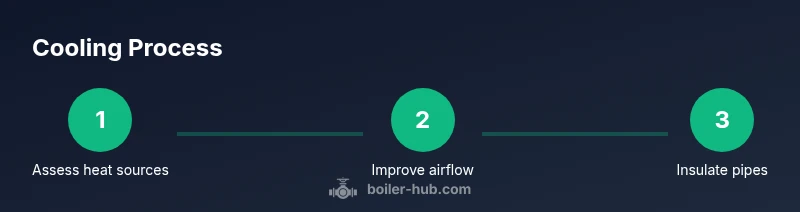
This guide from Boiler Hub emphasizes a methodical approach: assess current heat sources, improve airflow, insulate heat-prone areas, monitor temperatures, and schedule regular checks. Start with a simple baseline: observe the space during peak operation and note any obvious heat hotspots such as pipes, pumps, or adjacent equipment. Use this information to tailor a cooling plan that fits your boiler room layout and the equipment present.
Core Principles for Cooling Efficiently
Effective cooling hinges on a few core principles that stay constant across different boiler room configurations. First, ensure consistent air exchange so heated air can exit and fresh air can circulate. Second, minimize heat gains by isolating hot components and optimizing the arrangement of equipment to prevent heat crosstalk. Third, implement simple, safe cooling methods that do not interfere with combustion or ventilation requirements. Fourth, maintain accessible spaces and clear pathways so maintenance staff can inspect and service the boiler without obstruction. Finally, monitor temperatures and adjust as needed to keep the room within a safe operating range. These principles support energy efficiency, safety, and long-term equipment life.
Ventilation and Airflow: Designing the Right Flow
Ventilation is often the most impactful, least expensive way to control boiler room temperatures. Start by ensuring there is adequate makeup air and an exhaust path for warm air. If the space lacks natural ventilation, install a properly rated exhaust fan or roof vent that moves air without drawing combustion gases back into the room. Position vents and fans to create a cross-flow pattern that sweeps hot air away from critical components and toward outside openings. Keep access doors open during non-operational hours only if safe and compliant with local codes. Regularly inspect ductwork for leaks and seal any gaps to prevent reintroduction of warm air. The goal is steady, low-velocity airflow that steadily removes heat without creating dangerous drafts near hot surfaces.
According to Boiler Hub’s guidance, balancing airflow with the room’s heat-generating load is essential. If the boiler room contains multiple heat sources or parallel equipment, consider alternating or staged cooling to avoid sudden drafts that could affect burner operation. Use simple, portable fans for temporary relief during maintenance or high-heat events, but avoid placing fans directly in front of intake vents or above the boiler where they could disrupt combustion air supply.
Insulation and Heat Management: Stop Heat at the Source
Insulation is a powerful ally in reducing heat transfer from the boiler and hot piping to the surrounding space. Thermally insulating exposed hot water and steam pipes with foam or fiberglass insulation helps keep ambient temperatures lower and reduces radiant heat into the room. For boiler rooms with metal walls, consider insulating the walls or adding reflective paneling to bounce radiant heat away from critical components. Use weatherstripping on doors to minimize drafts while still allowing for safe ventilation. If space permits, install a simple cold air return path behind equipment with an unobstructed route to an exterior vent. Insulation not only lowers room temperatures but also improves overall system efficiency by reducing heat losses from pipes and fittings.
Boiler Hub notes that insulation effectiveness correlates with proper installation. Pay attention to joints, corners, and penetrations where heat can escape. Choose insulation materials rated for high temperatures and ensure that any insulation used around burners or flames is fire-rated and code-compliant. A well-insulated boiler room experiences less heat gain and can maintain stable operating conditions for longer between maintenance sessions.
Cooling Equipment and Controls: What Works Safely in Boiler Rooms
When cooling equipment is necessary, select devices that complement, not complicate, boiler operation. Exhaust fans and pass-through ventilation are common solutions that move hot air out while avoiding interference with combustion air. If you consider mechanical cooling, opt for components rated for boiler room environments and designed to operate in confined spaces with limited clearance. Install temperature sensors at representative points: near the boiler, along hot piping, and near intake vents. A simple digital thermometer with data logging can reveal heat patterns over a day or week. Avoid high-power air conditioning units that pull conditioned air directly into the boiler room if they threaten to disrupt ventilation balance or exhaust flow. The safest approach is to implement ventilation-first, insulation-second, and cooling third, only as needed and in compliance with local codes and manufacturer recommendations.
Boiler Hub encourages practical, safety-first upgrades that improve air quality and comfort without compromising burner performance.
Monitoring, Controls, and Maintenance Routine
Ongoing monitoring is essential for maintaining a cool boiler room. Install a basic temperature monitor or thermostat that records peak and average temperatures over time. Place sensors at key locations—near the boiler, at the highest heat source, and near any intake/exhaust openings—to get a representative picture. Regularly review readings and look for unusual spikes that suggest compromised insulation, blocked vents, or failing equipment. Tie the monitoring system to a simple alert protocol so maintenance staff are notified of dangerous heat elevations. In parallel, establish a maintenance schedule that includes cleaning combustion air intakes, inspecting insulation, checking duct seals, and verifying vent operation. Pairing routine maintenance with proactive monitoring creates a reliable, cooler boiler room environment and reduces the risk of unexpected outages.
In summary, consistent monitoring combined with thoughtful ventilation and insulation is the backbone of a safe, efficient boiler room. Boiler Hub’s approach emphasizes practical, repeatable steps that homeowners and facility managers can implement with minimal risk and maximum payoff.
Common Pitfalls and How to Avoid Them
Many boiler room cooling efforts fail because of overreliance on single solutions, such as oversized fans or off-brand insulation. A common pitfall is sealing the room completely to “keep heat out,” which can trap dangerous combustion gases and create unsafe working conditions. Another pitfall is placing electrical devices or cords near heat sources, which increases the risk of heat damage or fire. Finally, neglecting regular maintenance can let heat issues go unnoticed until a costly failure occurs. Avoid these missteps by following a balanced plan that includes ventilation, insulation, monitoring, and routine service. Always check that any cooling measures do not interfere with the boiler’s combustion air supply or ventilation requirements, and consult a licensed professional if you’re unsure about code compliance or safety considerations.
Next Steps and Implementation Plan
With the concepts covered, the next steps are to draft a simple cooling plan tailored to your boiler room: map heat sources, identify ventilation openings, select insulation where needed, install a temperature monitor, and set up a maintenance calendar. Start with a low-cost, high-impact improvement—improved ventilation and pipe insulation—and observe results over a 1–2 week period. If the space still shows heat buildup, consider modest, code-compliant mechanical cooling additions and re-evaluate heat sources for additional insulation opportunities. Document all changes and train staff to monitor temperatures, ensuring a quick response if readings rise. This practical plan aligns with Boiler Hub’s emphasis on safety, efficiency, and long-term reliability.
Tools & Materials
- portable ventilation fan(Oscillating, high CFM option; position to pull heat away from equipment)
- exhaust vent or ducting kit(For directing warm air outside; ensure weatherproof installation)
- pipe insulation (foam or fiberglass wrap)(Insulate hot water and steam pipes; choose fire-rated materials for boiler room zones)
- temperature monitor / digital thermometer(Place near boiler, pipes, and intake vents; log readings)
- infrared thermometer (IR gun)(Quick spot checks on surface temperatures)
- weatherstripping/door seals(Minimize drafts while allowing controlled ventilation)
- basic protective PPE(Safety goggles and gloves for insulation work)
- duct tape and sealant(Seal gaps around insulation and ducts)
Steps
Estimated time: 2-4 hours
- 1
Assess heat sources and space
Begin by surveying the boiler room to identify heat sources, airflow patterns, and potential hot spots. Note equipment positions, vent openings, and any obstructions that restrict air movement. A clear baseline helps tailor the cooling plan and set measurable goals.
Tip: Take photos and measurements for reference; map heat hotspots on a simple floor plan. - 2
Plan ventilation and airflow
Design an airflow plan that moves warm air toward an exterior vent or exhaust path. Avoid blocking combustion air intakes or boiler exhaust with furniture or equipment. If there are multiple heat sources, consider staggered ventilation to prevent heat pooling.
Tip: Place an exhaust vent away from entry doors and ensure it vents to the outdoors. - 3
Clear obstructions and organize
Remove clutter and create clear access paths around the boiler and ventilation routes. Debris can block airflow and hinder maintenance. Organizing the space also reduces the risk of accidental contact with hot surfaces.
Tip: Keep a dedicated area for tools and spare parts separate from boiler components. - 4
Install or upgrade exhaust and venting
Install the exhaust vent or upgrade existing ductwork to improve heat removal. Ensure ducts are properly sealed and sloped to prevent backflow. Test the ventilation by monitoring temperature changes after running the boiler.
Tip: Hire a professional if duct work involves structural alterations or gas venting. - 5
Insulate hot pipes and surfaces
Wrap hot pipes with suitable insulation, paying attention to joints and bends. Insulation reduces radiant heat transfer to the room and improves system efficiency. Check for gaps and reseal as needed.
Tip: Use heat-rated insulation and avoid covering boiler vents or louvers. - 6
Install temperature monitoring
Mount a temperature monitor near the boiler, at least one on a hot pipe, and near any intake/exhaust. Enable simple data logging and set alert thresholds for high temperatures. Regular checks help you catch heat spikes early.
Tip: Test alerts by simulating a temperature rise to confirm notifications work. - 7
Establish maintenance routine
Create a maintenance schedule that includes inspecting insulation, cleaning air intakes, verifying vent operation, and checking seals. Tie the schedule to seasonal boiler checks so cooling measures stay effective year-round.
Tip: Document each maintenance event with date, readings, and any adjustments. - 8
Review and adjust plan
After implementing changes, review temperature data over 2–4 weeks and adjust as needed. If heat persists, consider incremental cooling additions aligned with codes and safety requirements. Maintain a cycle of assessment, action, and reassessment.
Tip: Share results with your facilities team and update the plan accordingly.
Questions & Answers
Why does a boiler room get hot?
Boiler rooms accumulate heat from the boiler, pumps, and adjacent equipment. Proper ventilation and insulation help manage that heat and prevent overheating.
Heat in a boiler room comes from the equipment itself; good ventilation and insulation keep it under control.
Can I install an air conditioner in a boiler room?
Direct air conditioning is generally not recommended as the sole cooling method because it can interfere with ventilation and combustion air needs. If used, it should be properly sized, vented, and code-compliant.
Air conditioning isn’t usually the best primary solution; if used, it must be properly installed and safe with the boiler.
How often should I service my boiler to maintain a cool room?
Annual boiler service is typically recommended. Regular checks help verify that ventilation, insulation, and exhaust systems function correctly and that heat levels remain under control.
Have the boiler serviced every year to ensure cooling measures stay effective.
What insulation materials are best for boiler pipes?
Choose high-temperature pipe insulation with fire-rated facing. Fiberglass or foam insulation wrapped around hot pipes reduces heat transfer and protects surrounding areas.
Use fire-rated pipe insulation around hot pipes to cut heat transfer.
Is it safe to run fans in a boiler room during operation?
Yes, fans can improve ventilation if placed to move air away from the boiler and not obstruct combustion air. Ensure wiring and fans comply with safety standards and codes.
Fans can help if they’re positioned safely and don’t block combustion air.
What signs indicate overheating in a boiler room?
Look for unusually warm surfaces, drafty doors, or rising room temperatures during operation. Temperature spikes or persistent high readings warrant inspection of insulation and ventilation.
If the room stays unusually hot, check insulation and ventilation right away.
Watch Video
Key Points
- Ventilate to prevent heat buildup in the boiler room.
- Insulate pipes and surfaces to reduce heat transfer.
- Monitor temperatures and log heat patterns regularly.
- Balance airflow with safety requirements and maintenance.
- Prioritize maintenance as a core part of cooling strategy.