How to Stop a Boiler Clock Ticking: A Practical Guide
Practical steps to stop a boiler clock ticking safely. Learn safe checks, timer options, and when to call a pro, with trusted guidance from Boiler Hub.


Running noises from a boiler clock can be annoying and concerning. This guide explains how to stop a boiler clock ticking by identifying the most common causes, performing safe fault checks, and choosing practical fixes. We’ll cover when to service or replace the timer, and how to minimize noise without compromising safety.
What causes a ticking boiler clock?
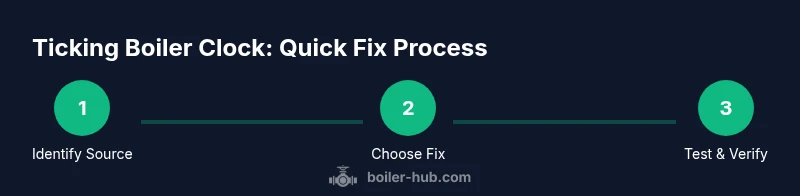
A ticking or rhythmic clack from a boiler clock is most often linked to the timer mechanism or related components that control when the boiler turns on and off. Traditional mechanical timers use a small motor to advance the dial, and the motor or drive gear can emit a noticeable tick as it engages. Digital timers may click when relays switch, while zone valves or motorized appliances in the heating circuit can produce ticking-like sounds as they modulate flow. In some cases, small air pockets or pressure fluctuations in the heating system can resonate and emphasize ticking noises near the timer housing. Identifying the exact source—timer motor, relay, zone valve, or air pockets—helps determine the safest and most effective remedy. According to Boiler Hub, persistent ticking across multiple components is a signal that warrants careful inspection and safe handling to avoid compromising boiler operation or safety.
When you’re trying to stop a boiler clock ticking, avoid assuming a single cause. Listen for where the sound originates (timer area, control panel, or pipework), and check if the ticking coincides with boiler cycles or occurs independently. If the ticking worsens with firing up or cooling down, it’s more likely tied to the timer or relay rather than a pressure-related issue. In some cases, a ticking noise can be an early sign of wear or a loose mounting; in others, it’s a sign of normal operation in older mechanical timers. Understanding the nuance will help you decide whether a simple adjustment is enough or if a replacement is required.
The reader should note that ignoring ticking noises can mask underlying issues such as faulty safety devices or maladjusted controls. If you smell gas, hear a hiss, or notice hissing sounds near the gas line, shut down the boiler and contact a licensed professional immediately.
For homeowners and facility managers, distinguishing between a harmless tick and a potentially hazardous symptom is crucial. The aim of this article is to provide safe, practical steps for diagnosing and reducing tick while maintaining boiler safety and compliance with local regulations.
Tools & Materials
- Screwdriver set (Phillips and flat-head)(To remove timer cover and mounting screws)
- Non-contact voltage tester(Safety first when working near electrical components)
- Protective gloves and eye protection(Reduce injury risk from sharp edges and debris)
- Owner’s manual or boiler installation manual(Identify timer type and compatible replacement parts)
- Replacement timer or timer module (if opting for a swap)(Only if you confirm the timer is faulty and compatible with your boiler)
- Soft brush or microfiber cloth(Clean dust from timer housing and contacts)
Steps
Estimated time: 60-90 minutes
- 1
Power down and locate the timer
Shut off the boiler from the thermostat or mains switch and wait 5–10 minutes for ignition components to cool. Open the control panel to locate the timer clock or timer module and confirm its model type. This initial step prevents accidental shocks and makes the source easier to identify.
Tip: If you’re unsure which component is the timer, photograph the control layout before touching anything. - 2
Inspect the timer housing
Carefully remove the timer cover using the appropriate screwdriver. Look for signs of wear, loose mounting screws, or damaged gears. A loose cover can amplify vibration and ticking, while worn gears may indicate a motor replacement is needed.
Tip: Keep screws organized and reference the manual to avoid mixing parts from different modules. - 3
Identify the ticking source
Listen closely near the timer, relays, and any zone valves linked to the timer. If the tick persists after you’ve fully isolated power, the problem may lie in a relay or motor rather than a simple setting. Document what you hear and where it seems to emanate from.
Tip: Use a stethoscope-style probe or a long screwdriver to pinpoint the sound safely from a distance. - 4
Check for obvious wear and wiring issues
Examine exposed wiring for looseness, discoloration, or damaged insulation. Check the timer wheel or dial for wear marks. If you see frayed wires or melted insulation, stop and call a professional—replacing wiring without proper training can be dangerous.
Tip: Do not tug on wires; label and unplug where necessary before any further work. - 5
Test timer control and mode
With the power still isolated, operate the timer’s manual and programmed modes to observe if the ticking changes with mode shifts. If the tick changes or stops in a specific mode, the issue may be tied to the timer’s settings rather than a hardware fault.
Tip: Document mode settings before adjusting to avoid misconfiguring the schedule. - 6
Assess zone valves and thermostat integration
If your system uses zone valves or a thermostat, ensure their operation aligns with the timer. Misalignment can cause rapid cycling or jitter that accompanies ticking sounds. Reset or resequence controls if instructed by the manual.
Tip: Ensure thermostat batteries are fresh and the device isn’t forcing rapid calls for heat. - 7
Decide on repair vs. replacement
If the timer shows wear, loose connections, or persistent ticking after adjustments, a replacement timer or motor is often the most reliable fix. Compare model compatibility and warranty terms before purchasing a new unit.
Tip: Warranties may cover replacement parts for a fixed period—check before buying a new timer. - 8
Reassemble and test
Reconnect any panels, restore power, and run the boiler through a normal cycle to verify that the ticking has diminished and the system heats reliably. Observe for a few cycles to ensure stability.
Tip: If noise returns after a few cycles, stop and reassess; do not force a fixed position on mechanical parts. - 9
Address related maintenance
During quieter operation, check system pressure (follow manufacturer guidance) and bleed radiators if needed. Although not always related to ticking, good maintenance reduces overall noise and improves efficiency.
Tip: Maintain a routine service schedule to catch early signs of wear. - 10
Know when to call a pro
If you’re uncertain about the type of timer, encounter gas safety concerns, or notice gas smell, shut down the boiler and contact a qualified technician. Professional help ensures safe handling and compliant fixes.
Tip: Never bypass safety devices or wiring standards—professional service protects your home and occupants.
Questions & Answers
What typically causes a boiler clock to tick?
Ticking usually stems from the timer motor, relays, or zone valves that control the boiler, though pressure changes and air pockets can amplify sounds. Identifying the exact source is key to choosing a safe fix.
Ticking usually comes from the timer motor or the valves. Identifying the source helps you choose a safe fix.
Is it safe to ignore a ticking boiler clock?
No. Persistent ticking can indicate a faulty component or incorrect settings that may affect boiler performance or safety. If you notice gas smells or irregular operation, stop and call a professional.
No. Persistent ticking could signal a faulty part or unsafe conditions; seek professional help if in doubt.
Can I stop ticking by removing the timer?
Removing or bypassing a timer is not recommended. Timers regulate safe boiler operation; removing them can lead to uncontrolled heating or violate safety standards. Replace with a compatible timer if needed.
Removing a timer is not advised. Timers are essential for safe operation; replace with a proper unit if needed.
How much does it cost to replace a boiler timer?
Costs vary by timer type and boiler model. A professional can provide a quote after diagnosing the source. Avoid DIY if you’re not confident with electrical and gas components.
Cost depends on the timer and labor. A pro can quote after checking the source.
When should I call a professional?
Call a professional if you detect gas odors, if the ticking persists after safe checks, or if you’re uncomfortable working with electrical or gas components.
Call a pro if you smell gas, the ticking continues after checks, or you’re unsure about electrical work.
What maintenance helps prevent ticking noises?
Regular servicing, checking timer settings, inspecting wiring, and ensuring venting and valves are functioning properly reduce noise and improve reliability.
Regular servicing and good valve and wiring checks help prevent ticking and improve reliability.
Watch Video
Key Points
- Identify the ticking source before taking action.
- Prioritize safety and power isolation at all times.
- Shortlist repair options: adjust, replace timer, or upgrade components.
- Consider non-invasive sound-reduction methods first, when safe.
- Know when to call a pro to avoid risks and ensure proper service.