How to Stop Boiler Noise: A Homeowner's Guide
Learn proven, safe steps to stop boiler noise. From quick fixes to maintenance habits, this guide helps homeowners and facility managers diagnose sounds and restore quiet, efficient operation.


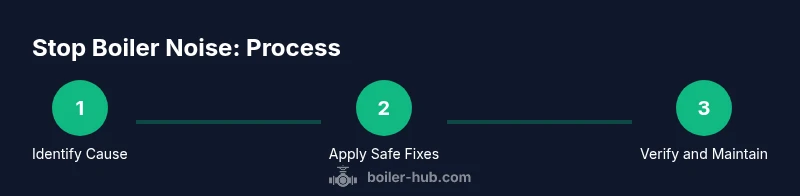
To stop boiler noise, start with a quick inspection of venting, flame stability, and loose components. Tighten accessible screws, bleed trapped air from radiators, and verify water pressure within the manufacturer’s recommended range. If noises persist after these safe steps, schedule a professional service today.
What causes boiler noise and why it matters
According to Boiler Hub, most boiler noises arise from air in the system, pressure irregularities, loose components, or venting issues. These sounds are not just annoying; they can signal inefficiencies or potential damage if ignored. Air trapped in radiators creates banging or hammering as water moves through the loop. An under- or over-pressurized system can produce hums, gurgles, or whines that stress pumps and valves. Loose panels, loose pipes, or a failing expansion tank can rattle or rattle loudly, especially during startup. Regular inspection helps catch these problems before they escalate, saving fuel and extending boiler life.
Environmental and safety factors matter here, too. A noisy boiler may mask a developing fault such as a faulty burner or degraded venting, which can affect efficiency and, in rare cases, indoor air quality. Boiler Hub Analysis, 2026 supports a practical, proactive approach: diagnose the noise, apply safe fixes, and schedule professional service for persistent sounds. This structured method reduces downtime and keeps your heating reliable through cold months.
Common noise types and their meanings
Boiler noises come in several recognizable flavors, each hinting at a different root cause. Banging or knocking often points to kettling from mineral buildup in the heat exchanger or from air pockets disrupting water flow. Whistling usually signals restricted venting or a high-velocity flow through a valve. Humming or buzzing can indicate a serviceable component like the circulator pump or a loose part vibrating against the cabinet. Tapping or rattling might be the result of loose piping expanding and contracting with temperature changes. Finally, a gurgling sound often comes from trapped air or turbulent flow in the system. Understanding the sound helps you narrow down the fix rather than guess at multiple potential causes.
Quick, safe fixes you can try today
Start with the simplest fixes that don’t involve touching gas lines or electrical components. First, switch off the boiler and let it cool. Tighten any loose screws on access panels and trim, and gently resettle pipes that may be rattling. Bleed radiators starting from the highest floor to release trapped air, then recheck room temperatures and radiators for uniform warmth. Check the water pressure on the boiler gauge; if it’s outside the recommended range, consult the user manual for safe pressure adjustment procedures or contact a professional if you’re unsure. Ensure the area around the boiler is free of debris that could affect intake or exhaust. Remember, if you smell gas or hear a hiss near the gas line, do not attempt any adjustments—exit the area and call your utility or service technician immediately.
Checking water pressure and system air
Water pressure is a critical parameter for quiet, efficient operation. Most hot-water boilers run best around 1.0–1.5 bar when cold, rising slightly as the system warms. Check the pressure gauge on the boiler when the system is off or cold to avoid misreading. If pressure is too low, a slow drip from the fill valve or a re-pressurization procedure described in the manual may be necessary. If pressure is too high, release a small amount of water through the bleed valve or relief valve after confirming you know where it is and how to operate it safely. After any adjustment, recheck the pressure and run the boiler for a cycle to confirm sound levels return to normal. Trapped air can also cause noise; bleed radiators to release air pockets and restore smooth circulation.
Inspecting burner and flame stability
Gas-fired boilers rely on a stable flame for quiet combustion. A healthy flame is blue with a steady edge; a yellow or orange flame can indicate incomplete combustion or improper gas pressure, which may produce popping, noise, or soot. Do not attempt to adjust gas pressure or burner settings unless you are a qualified technician. If you notice persistent humming, crackling, or popping sounds after basic checks, it could be an indication of burner wear or venting problems that require professional diagnosis and service. Regular professional inspections help maintain flame stability, improve efficiency, and reduce sound and emissions.
When to bleed radiators and how
Bleeding radiator valves is a common, effective way to reduce noise associated with trapped air. Start at the radiator farthest from the boiler and work toward the boiler. Use a bleed key or screwdriver to open the valve slightly until you hear a hiss of air and water, then close when water starts to flow steadily. Re-pressurize the system if needed and check for cold spots after bleeding. Do not bleed radiators while the system is hot, and keep a cloth handy to catch splashes. If bleeding does not reduce noise, there may be circulating air or pump issues that require professional help.
Maintenance habits to prevent future noise
Preventive maintenance is the best defense against future boiler noise. Schedule an annual professional service, including a comprehensive inspection of burners, heat exchangers, venting, expansion tank, and circulating pump. Regularly rinse or flush the boiler if your system manufacturer recommends it, and replace worn gaskets or seals promptly. Keep the area around the boiler clean and accessible, and document any unusual noises you hear so a technician can assess changes over time. Proactive care reduces unexpected downtime and maintains efficiency.
System-specific considerations: gas, oil, electric boilers
Different boiler types have distinct noise profiles and maintenance needs. Gas boilers require careful monitoring of flame quality and venting; oil boilers rely on combustion efficiency of the burner and fuel delivery; electric boilers are generally quieter but may produce hums from wiring or pumps. Regardless of type, follow the manufacturer’s service intervals, use only approved parts, and avoid DIY adjustments to critical gas or electrical components. If in doubt, consult with a boiler technician who specializes in your system type. This ensures safe operation and helps you avoid costly mistakes.
Troubleshooting checklist you can print
- Verify the boiler is powered and the thermostat is set correctly. - Check for trapped air by bleeding radiators. - Check the pressure gauge and adjust within the recommended range. - Inspect for loose panels, pipes, or fittings and tighten as needed. - Listen for new noises after each fix to identify lingering issues. - If you detect gas odors, turn off and call for professional help immediately. - Schedule a professional service if noises persist after basic steps.
Bonus: quick reference table (if you want a quick glance)
- Noise type: Banging; Likely cause: Air or kettling. Fix: Bleed air, flush system as directed by manual.
- Noise type: Whistling; Likely cause: Restricted vent or valve. Fix: Inspect venting and clear obstructions.
- Noise type: Humming; Likely cause: Pump bearing or loose component. Fix: Tighten fittings; service the pump if needed.
- Noise type: Gurgling; Likely cause: Trapped air. Fix: Bleed radiators and recheck pressure.
- Noise type: Squeal; Likely cause: Worn belts or fan. Fix: Do not attempt DIY repair; call a pro.
Tools & Materials
- Flathead screwdriver(For panel screws and ventilation checks)
- Phillips screwdriver(Adjusting minor components)
- Wrench set(Tightening fittings and pipes)
- Radiator bleed key(Bleeding radiators to release air)
- Pliers(Grip and adjust components)
- Digital manometer or pressure gauge(Verify system pressure)
- Multimeter(Electrical checks (only if trained))
- Towel or cloths(Catch drips during bleeding)
- Flashlight(Inspect vents and flame area)
- Gloves and eye protection(Personal safety gear)
Steps
Estimated time: 45-60 minutes
- 1
Power down and prep
Turn off the boiler at the switch and thermostat. Allow the system to cool before touching panels or exposed pipes. This minimizes burn risk and prevents electrical shocks while you inspect visible parts.
Tip: Label any wires or hoses you touch to simplify reassembly. - 2
Tighten loose components
Inspect access panels, cabinet screws, and obvious pipe fittings for looseness. Gently tighten with the appropriate screwdriver or wrench. Loose parts can vibrate and amplify noise when the system runs.
Tip: Use a torque-limited screwdriver if available to avoid over-tightening. - 3
Bleed the radiators
Starting from the highest radiator in your home, use a bleed key to open the valve just until air escapes with a steady stream of water. Close the valve when water runs smoothly. Recheck the boiler pressure afterward.
Tip: Keep a cloth handy to catch water; wear gloves to avoid hot metal contact. - 4
Check and adjust system pressure
Look at the boiler pressure gauge. If pressure is below the recommended range, use the fill valve to re-pressurize slowly. If it’s high, carefully release water via the drain valve as described in your manual, then recheck.
Tip: Make small adjustments and recheck frequently to avoid overcorrection. - 5
Inspect venting and burner area
Inspect visible venting for obstructions and ensure the burner area is clean and free of soot or debris. Do not disassemble the burner or fuel lines unless you are trained; call a professional for combustion- or vent-related concerns.
Tip: Do not operate the boiler if you notice smoke or a strong gas odor. - 6
Test run and observe
Restore power and run the boiler through a complete cycle. Listen for persistent noises and check that hot water and heating respond promptly. If new sounds appear, document them for your technician.
Tip: Note the time of day and weather—external factors can influence cycling noise. - 7
Call a professional if needed
If noises persist after the safe, basic steps, or if you detect gas smells, contact a qualified technician. Ongoing noise can indicate burner misadjustment, venting faults, or pump wear that requires specialized equipment.
Tip: Boiler noise is not always urgent, but a professional assessment can prevent bigger problems later.
Questions & Answers
What causes banging noises in a boiler, and is it dangerous?
Banging often indicates kettling or trapped air. While usually not dangerous, it can point to mineral buildup or air pockets that reduce efficiency and may stress components over time. Address the issue promptly with the steps outlined above, and seek professional help if the noise continues.
Banging usually means kettling or trapped air. It’s not immediately dangerous, but fix it early to protect efficiency and parts.
Can trapped air cause noise in a boiler?
Yes. Trapped air disrupts water flow and creates banging, gurgling, or popping sounds. Bleeding radiators and checking system pressure typically resolves this, but persistent noise may require a service call.
Yes. Trapped air can cause gurgling and banging. Bleed radiators and verify pressure; call a pro if it persists.
Should I bleed radiators if there’s no air in the system?
If there’s no obvious air, bleeding may not help and could lower pressure. Check the pressure gauge and verify that flow is smooth. If noises persist or pressure fluctuates, a professional should evaluate the system.
Bleeding isn’t always needed if there’s no air; check pressure and system flow, and call a pro if noises continue.
Why is my boiler whistling or humming after startup?
Whistling or humming can result from restricted venting, a failing pump, or loose hardware. Start with securing connections and cleaning accessible paths, but won’t risk gas/ignition components—consult a pro if the noise persists.
Whistling may mean restricted venting or a faulty pump. Tighten what you can, but call a pro if it keeps up.
What maintenance helps prevent boiler noise?
Annual professional service, periodic flushing or cleaning per manufacturer guidelines, and timely replacement of worn seals and pumps reduce noise and improve efficiency.
Regular professional checkups, cleaning, and part replacements cut down noise and boost efficiency.
When should I replace a noisy boiler?
If noise persists after safe fixes and routine maintenance, or if the boiler is old and inefficient, replacement may be more cost-effective than ongoing repairs. Consult a Boiler Hub-trained technician for a cost-benefit assessment.
If noise won’t go away after fixes and maintenance, consider replacement after a professional assessment.
Watch Video
Key Points
- Identify the noise source (air, pressure, venting).
- Perform safe, basic fixes before calling a pro.
- Regular maintenance prevents future noise.
- Different boiler types require tailored checks.