How to Reset a Boiler After Oil Runs Out
Learn how to safely reset an oil boiler after fuel runs dry with a practical, step-by-step approach. Includes safety tips, troubleshooting, and maintenance guidance from Boiler Hub.


According to Boiler Hub, restarting an oil boiler after the fuel runs dry requires safety checks, verifying fuel delivery, and a controlled restart sequence. This quick-guide segment outlines the core steps to restore heat while minimizing risk, so homeowners can approach the process confidently and safely. Keep flammable materials away, and never bypass safety interlocks.
Understanding Oil Run-Out and Restart Implications
When an oil boiler runs dry, the burner typically locks out to prevent damage and unsafe operation. Restarting without proper checks can lead to delayed ignition, air locks, or fuel spills. The Boiler Hub team emphasizes a controlled restart: verify fuel delivery, reseat sensors, and re-supply oil before attempting ignition. The consequence of skipping these steps can include repeated lockouts, wasted energy, and higher repair costs. Understanding how your system locks out helps you plan a safe, methodical restart rather than a rushed attempt. This section explains what happens inside your boiler and why a measured approach improves outcomes for heat, safety, and efficiency.
Safety First: Precautions Before Restart
Safety should be your first priority. Before touching electrical panels or the burner, switch off the boiler at the control, shut off the fuel valve (if accessible), and disconnect power if you’ll be working in an area with standing water or damp surfaces. Wear protective gloves and eye protection, and keep the work area well ventilated. If you smell strong fuel or see signs of a leak, do not restart—evacuate and contact your fuel supplier or a licensed technician. Boiler Hub stresses that following interlocks and manufacturer warnings reduces the risk of flash fires and carbon monoxide exposure. Keep children and pets away from the boiler during servicing.
Pre-Refuel Checks: What to Inspect Before Restart
Before the new fuel arrives, inspect the fuel line for signs of damage, cracks, or oil leaks. Check the fuel tank gauge (if equipped) and confirm the supplier’s delivery ETA. Ensure the expansion tank and pressure relief valve are within normal operating parameters. If you notice abnormal pressure, unusual odors, or water in the condensate line, pause and consult a professional. Clearing air from the lines after refueling is usually required; air in the system can hinder ignition and efficiency. This is also a good time to verify that the thermostat and circulator pump are functioning properly.
Step-by-Step: Prepare the System and Reset Controls
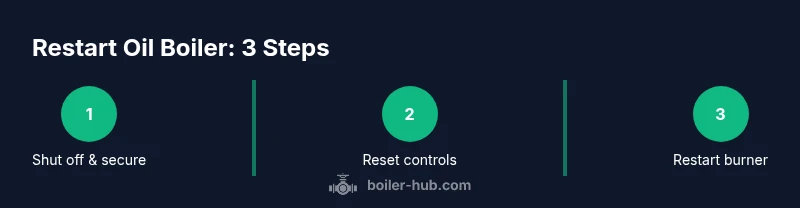
- Power down the boiler and isolate circuits per the manual. 2) Close the fuel shutoff valve and ensure the line is restrained. 3) Confirm the power supply is stable and the thermostat is calling for heat. 4) Reset the boiler control panel or burner circuit according to the manufacturer’s instructions. 5) Check for error codes on the control panel display and clear if the procedure allows. 6) Reconnect the fuel line after refueling, ensuring there are no leaks. 7) Re-prime the burner by following the manual’s priming sequence. 8) Restore power and initiate a test ignition, observing the flame and safety devices. If your boiler uses a separate pressure switch or flow switch, verify it is operating correctly.
Restart the Burner: Operation and Monitoring
When ignition occurs, listen for a clean flame with steady audible combustion. Observe the flame color (blue is typical; yellow can indicate incomplete combustion) and monitor for unusual noises. Check the return temperature, and watch the pressure gauge to ensure it remains within the normal range. The burner should reach steady operation without cycling excessively. If fault codes appear, refer to the manual and consult a professional if codes persist.
Troubleshooting Restart Issues
If the burner fails to ignite, confirm fuel delivery and verify that the stop/start controls are set correctly. A dirty flame sensor, clogged nozzle, or air in the lines can prevent ignition. Recheck for oil leaks and ensure the venting system is unobstructed. If you still see a fault, reset the control again or power cycle the boiler as permissible. Persistent faults warrant a service call to avoid unsafe conditions.
Maintenance Tips to Prevent Future Outages
Preventive maintenance reduces the chance of an unexpected outage. Schedule annual professional servicing, replace or clean filters, bleed air from radiators or baseboards, and test safety devices like low-water cutoffs and pressure relief valves. Keep a small stock of emergency fuel or a plan with your supplier. Regular inspection of the fuel line, fittings, and the oil storage tank minimizes contamination and improves combustion efficiency. Boiler Hub recommends documenting maintenance activities for quick reference.
Quick Safety Recap and When to Call a Professional
Always prioritize safety; if you sense fuel leaks, strong odors, or error codes that you cannot clear, shut down the boiler and contact a licensed technician. If restarting the boiler does not restore heat or if the flame is abnormal after several attempts, stop and seek professional service. The Boiler Hub team suggests maintaining a scheduled service plan to ensure safe operation and longevity of your heating system.
Note: This article uses practical guidance for typical residential and light commercial oil boilers. Always refer to your unit’s manual for model-specific steps, controls, and safety precautions. When in doubt, consult a certified boiler technician.
Tools & Materials
- Owner’s manual for boiler(Keep model and installation details handy)
- Flashlight(For dark basements or utility rooms)
- Screwdriver (Phillips/flat-head)(For reset buttons or service panels)
- Multimeter (optional)(Check electrical supply if advised by the manual)
- Rag or towel(Wipe spills and keep area clean)
- Fuel delivery contact info(Have supplier's ETA and contact handy)
Steps
Estimated time: 15-25 minutes
- 1
Power down and secure
Shut off the boiler at the control panel and isolate circuits per the manual. This prevents accidental restart while you inspect fuel lines and electrical connections. Ensure you’re not working in a damp area or near a potential ignition source.
Tip: Always follow the boiler’s manual for panel access and shutoff procedures. - 2
Close fuel valve and check for leaks
If your system has a manual fuel shutoff, close it before handling anything near the fuel line. Visually inspect for any signs of oil leaks or damp spots. Do not proceed if you detect a leak; call your supplier or a technician.
Tip: A leak can be a fire hazard; safety comes first. - 3
Verify power and thermostat status
Confirm the boiler is disconnected from power and that the thermostat is not calling for heat while you work. If your thermostat has a battery, replace it to avoid misreads after the restart.
Tip: A false heat call can confuse the restart sequence. - 4
Reset controls and clear faults
Follow the manufacturer’s instructions to reset the burner circuit or control module. Check the display for fault codes and consult the manual to interpret them. Clearing codes where advised prevents misinterpretation on the restart.
Tip: Do not bypass safety interlocks—these protect you and the equipment. - 5
Reconnect fuel line and prime burner
Reconnect the fuel line if you had disconnected it for safety. Prime the burner per the manual, ensuring fuel flow is steady and free of air locks. Do not attempt a dry start; ensure there is oil to feed the burner.
Tip: Air in lines can prevent proper ignition; priming helps ensure a clean start. - 6
Restore power and attempt ignition
Turn the boiler back on and initiate a test ignition as instructed by the manual. Monitor ignition behavior for a steady flame and listen for normal combustion sounds. If ignition fails, do not force the start; reassess fuel delivery and air conditions.
Tip: If you hear hisses or banging, stop and inspect the vent and combustion areas. - 7
Observe operation and safety devices
Watch the flame, observe for smoke or unusual smells, and ensure the pressure and temperature readings stabilize within normal ranges. Safety devices, like pressure relief and low-water cutoffs, should remain ready to trip if conditions become unsafe.
Tip: Document any fault codes and monitor for recurring alerts. - 8
Record the restart and monitor
Note the time of restart, fuel delivery status, and any anomalies observed during ignition. Schedule a follow-up check with a professional if issues persist. Proper record-keeping helps future diagnostics and maintenance.
Tip: Keep a restart diary for quick reference during seasonal checks.
Questions & Answers
What should I do immediately after oil runs out?
Shut off the boiler and avoid restarting until fuel delivery has confirmed and lines are checked for leaks. Contact your supplier if fuel delivery is delayed, and never start the boiler while you suspect a leak. Once fuel is on site, follow the restart steps in your boiler manual.
Shut off the boiler, check for leaks, and confirm fuel delivery before attempting restart. If unsure, contact a technician.
Can I reset the boiler myself after refueling?
Yes, you can reset the boiler following the manual and safety steps. Do not bypass interlocks or force ignition. If the fault persists after reset, call a professional to check fuel line integrity and burner condition.
You can reset if you follow the manual and safety steps. If faults persist, seek professional help.
What are common warning signs during restart?
No ignition, irregular flame color (yellow instead of blue), unusual banging, or strong fuel odor are red flags. If you notice these, shut down and consult the manual or a technician rather than continuing to restart.
Watch for no ignition or odd smells; stop and check before trying again.
How long does oil delivery typically take?
Delivery times depend on your supplier, location, and current demand. Plan ahead by maintaining a reasonable back-stock and coordinating with your fuel supplier about delivery windows.
Delivery times vary; work with your supplier to plan ahead.
Is it safe to restart if there is a small fuel leak?
No. A leak should be addressed before attempting any restart. Shut off the system, contain the area, and contact your fuel supplier or a licensed technician immediately.
Do not restart if you suspect a leak; contact a professional.
What maintenance reduces outages?
Schedule annual professional service, replace filters, bleed air, and test safety devices. Regular fuel line checks and tank inspections help prevent outages and improve efficiency.
Regular professional service and system checks prevent outages.
Watch Video
Key Points
- Verify fuel delivery before restarting to avoid repeated lockouts.
- Follow manufacturer guidelines and safety interlocks without exception.
- Prime the burner properly to ensure reliable ignition.
- Monitor flame quality and system pressure after restart.
- Schedule professional maintenance to prevent future outages.