How to bleed boiler when oil runs out: A practical guide
Learn how to bleed your oil boiler after fuel runs out with a safe, practical, step-by-step process. This guide covers safety, tools, precise steps, troubleshooting, and maintenance tips from Boiler Hub Team to keep your heating efficient.


You can restore boiler operation after an oil run-out by safely bleeding air and re-priming the system. This quick guide outlines the essential steps, required safety measures, and when to call a professional. According to Boiler Hub, addressing air pockets promptly minimizes cold spots, boiler cycling, and potential damage to the heat exchanger. If you don’t feel confident, review the full article before proceeding.
Why bleeding is necessary when oil runs out
Bleeding a boiler after an oil run-out is often essential because air can enter the heating circuit when the fuel supply is interrupted. The oil pump and lines may draw air through seals, fittings, or the return path, creating gaps that hinder circulation. When air pockets form, the boiler struggles to maintain even heat distribution, and the burner may cycle on and off more frequently. Bleeding helps expel these pockets, restoring consistent flow and improving combustion efficiency. Boiler Hub emphasizes that prompt attention to air in the system reduces cold spots, excess soot, and unnecessary wear on pumps and heat exchangers. If your boiler shows persistent noises or uneven heating after refueling, recheck bleed points and fuel supply rather than assuming a larger fault.
Understanding how air gets into an oil boiler
Air can accidentally enter the system during fuel runs, maintenance, or repairs. When the fuel line is interrupted, the pump can pull air from fittings, joints, or the expansion tank area. Oil boilers often have air vents at strategic points; if these vents are not closing properly or become blocked, air pockets form and reduce flow to the heat exchanger. The resulting turbulence can cause the burner to cycle erratically or fail to reach proper temperature. Recognizing the signs—gurgling radiators, inconsistent heat, or loud banging—helps you act quickly and protect the heating system. Boiler Hub notes that early detection minimizes damage and keeps efficiency high.
Safety first: Essential precautions before you begin
Before touching any boiler components, power down the unit and lock out the electrical supply. Do not work near open flames or smoking materials, especially when fuel is in play. Wear protective gloves and eye protection, and keep a functioning fire extinguisher nearby. Check for fuel leaks or strong fuel odors; if you smell oil, evacuate and call a professional. Ensure the area is well-ventilated and dry, as moisture can worsen corrosion and slip hazards. Keep children and pets away. Finally, consult the user manual for model-specific bleeding points and safety warnings.
Before you start: conditions that must be met
Confirm the boiler has recently been refueled and primed, and the oil pump is ready to operate once power returns. Verify the fuel valve is closed during setup to avoid unintentional starts. The system should be cold to the touch, with no hot surfaces exposed. Ensure you have a stable work area with a drain pan or bucket to catch any drips. If the boiler shows visible leaks, corrosion, or damaged seals, postpone bleeding and contact a technician.
Tools and materials you’ll need
- PPE: safety glasses and heat-resistant gloves (essential)
- Drain pan or wide-mouthed bucket (essential)
- Rags or absorbent towels (essential)
- Adjustable wrench or screwdriver (essential)
- Clean, labeled containers for catching fuel/oil (essential)
- Flashlight or headlamp (optional but helpful)
- Manual or service guide for your model (optional but recommended)
Step-by-step: prepare the boiler and area
Clear the work area around the boiler and lay down towels to catch spills. Power off the boiler, close the fuel valve, and verify that no ignition sources are present. Put on PPE, connect the catch pan, and identify the bleed valve or air vent on the boiler. Familiarize yourself with the location of related fittings in the vicinity of the burner and heat exchanger. This preparation reduces spill risk and ensures you can work efficiently.
Step 1: Check fuel supply and restore flow
Ensure the fuel tank is topped up and the main fuel line is primed. If the line was previously shut off, slowly reopen the valve after a short pause to equalize pressure. Do not rush the startup; a slow re-pressurization prevents sudden air bursts. Listen for the pump’s hum and watch for oil movement in the sight glass (if available). If fuel won’t flow, recheck the filters and any inline shutoffs before attempting to bleed further.
Step 2: Locate bleed points and prepare to vent
Identify the boiler’s air vents and bleed screws. Some models provide automatic vents; others rely on manual bleed valves near the top of the heat exchanger or on the circulator housing. Place the bucket underneath and ensure the bleed point is accessible. If you cannot locate a bleed valve or if you feel resistance, consult the manual or seek professional help to avoid forcing components and causing leaks.
Step 3: Bleed air from the boiler’s vent or drain valve
With the boiler powered off and fuel flow restored, slowly loosen the bleed screw or vent. Allow air to escape in short bursts until a steady stream of water or oil appears, then close the valve firmly. If you hear hissing or see continued air pockets, stop and re-check the connections for leaks or blockages. Do not overtighten, as damaged threads can create leaks and future bleed problems.
Step 4: Refill and re-prime the oil pump
After venting, re-pressurize the fuel system and re-prime the oil pump according to your model’s instructions. This step ensures the pump can push oil efficiently through the lines and into the burner. Listen for a consistent burner ignition without stuttering. If you notice air in the line again, inspect filters and the suction line for kinks or restrictions.
Step 5: Re-pressurize and verify burner operation
Check the system pressure with the boiler’s gauge and adjust to the manufacturer’s recommended range. A stable pressure usually indicates a successful bleed. Restart the burner and observe for consistent flame and heat output. If the flame flickers or goes out, re-check the fuel supply and electrical connections. Safety remains the top priority; if uncertain, stop and call a pro.
Step 6: Purge air from radiators if needed
If the heating circuit still feels noisy or cold spots persist, purge air from radiators following your system’s bleed procedure. Use a radiator bleed key to open the vent slowly until water appears, then close. This step is particularly important in multi-zone systems where trapped air can reduce room comfort.
Step 7: Inspect for leaks and test run the boiler
With the system running, perform a quick visual inspection around joints, valves, and the oil line for any signs of leaks. Run the boiler for 15-20 minutes and monitor temperature consistency and pressure. If leaks are detected or the unit cycles abnormally, shut down and call a professional.
Step 8: Aftercare: air control and vent maintenance
Check and, if necessary, replace worn vent diaphragms or seals as preventive maintenance. Clean vents and ensure there’s no mineral buildup around bleed points. Record the bleeding event and date for future service notes. Periodic checks help prevent salt or sludge buildup that can interfere with air release in future cycles.
Step 9: Recheck fuel filters and line condition
Inspect filters for debris and replace if necessary. A clogged filter can mimic air-related symptoms and impede circulation. Verify the line from the tank to the boiler remains airtight and free of leaks. Periodic filter changes support smoother operation and longer system life.
Step 10: Document outcomes and plan professional follow-up
Note the results of the bleed: pressure reading, burner performance, and any residual noises. If problems persist beyond a few days or if you notice ongoing oil leaks, schedule a professional service appointment. Regular professional checkups help keep your boiler running safely and efficiently, especially after an oil run-out.
Troubleshooting common symptoms after bleeding
If the boiler still cycles or fails to heat properly after bleeding, consider possible causes beyond air pockets: faulty burner, degraded seals, faulty venting, or insufficient oil pressure. Check for unusual noises, cold spots in radiators, and fluctuating water temperatures. Inconsistent performance may require a professional diagnostic, especially if electrical components or flame monitoring are involved. Boiler Hub recommends documenting symptoms and the steps you took to bleed to aid a technician.
Long-term maintenance to prevent future air problems
Schedule annual service, replace worn gaskets, and keep vents clean. Use high-quality fuel, replace filters on schedule, and verify the integrity of seals and connections. Regular bleeding during maintenance windows can prevent air buildup and improve efficiency. Keeping a log of each bleed event helps identify recurring issues and informs discussions with your heating technician.
Tools & Materials
- Personal protective equipment (PPE)(Safety glasses, heat-resistant gloves)
- Drain pan or bucket(To catch any spilled oil or water)
- Rags or towels(For cleaning and absorbing spills)
- Adjustable wrench or screwdriver(To operate bleed valves or fittings)
- Clean, labeled containers(Store any recovered fuel safely if allowed by local code)
- Flashlight(To see small bleed points clearly)
- Operation manual or model-specific guide(Helpful for locating bleed points and correct pressures)
Steps
Estimated time: 60-90 minutes
- 1
Shut off power and isolate fuel supply
Power down the boiler and switch off the electrical supply. Close the main fuel valve to prevent accidental ignition while you work. This minimizes risk and ensures you won’t start the burner during bleeding.
Tip: Lock out/tag out if you have access to proper lockout devices and follow your facility’s safety protocol. - 2
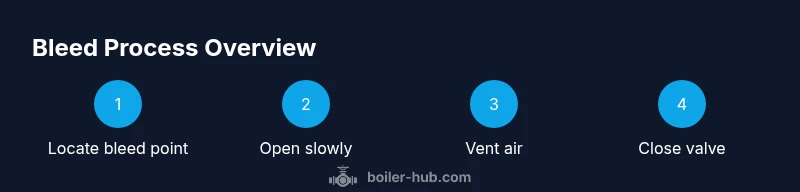
Locate bleed points and prepare to vent
Identify the bleed valve or air vent on the boiler or circulator housing. Place a drain pan underneath and gather towels so you can catch any escaping air or liquid. This step prevents spills and makes the venting precise.
Tip: If you’re unsure about valve locations, consult the model’s manual or take a quick photo to reference later. - 3
Open bleed valve gradually
Use an appropriate tool to slowly loosen the bleed valve until you hear air hissing. Continue until a steady flow of water or oil appears, then close the valve firmly to seal. Reseat the valve carefully to avoid leaks.
Tip: Open slowly to prevent water hammer or splashing; do not force beyond comfort resistance. - 4
Check for air pockets and re-vent if needed
Observe the discharge for air pockets. If air continues to come out, re-open the valve very slightly to purge additional air. Close once a clean, steady liquid stream runs.
Tip: Check for repeated air pockets after the initial bleed; some systems need a second, lighter pass. - 5
Re-pressurize the system and prime the pump
Restore the oil supply, then re-prime the pump following the manufacturer’s steps. Listen for a smooth motor hum and ensure no air is trapped in the intake line.
Tip: If the pump struggles, stop and re-check filters and the suction line before proceeding. - 6
Restart the burner and observe combustion
Turn the boiler back on and monitor flame stability and heat output. A stable flame and steady heat indicate successful bleeding and priming.
Tip: Listen for consistent ignition; a fluctuating flame can indicate lingering air or fuel issues. - 7
Bleed radiators if required by your system
If radiators show cold spots, bleed them in the usual sequence from highest to lowest zone. Collect expelled air and water, then close valves securely.
Tip: Bleeding radiators helps balance system pressure and improves overall comfort. - 8
Check pressure and adjust as necessary
Read the boiler pressure. If it’s outside the recommended range, adjust per the manual and re-check after a quick run.
Tip: Avoid over-pressurizing; small adjustments are safer and more effective. - 9
Inspect for leaks and tighten fittings
Look for signs of leaks at bleed valves, joints, and connections. Tighten cautiously to prevent over-tightening, which can cause damage.
Tip: If you see fresh oil or water leaks, shut off and call a technician. - 10
Document the bleed and plan maintenance
Record date, pressure, and notes on the bleed task. Schedule regular maintenance and fuel checks to prevent future air issues.
Tip: A maintenance log helps track performance and supports proactive service.
Questions & Answers
Can I bleed the boiler myself if the oil runs out, or should I call a professional?
Bleeding is often within a homeowner’s reach if you follow safety steps and have the right tools. If you smell fuel, hear leaks, or feel uncomfortable with any step, contact a licensed technician. A safety-first approach is essential when dealing with oil and electricity.
You can often bleed the boiler yourself if you follow the steps carefully, but call a professional if you detect leaks or fuel odors.
What are common signs that air is still trapped after bleeding?
Persistent banging noises, cold spots on radiators, fluctuating burner flames, or the boiler cycling abnormally often indicate remaining air or a faulty vent. Recheck bleed points and consider a professional if symptoms persist.
Look for banging, cold spots, or uneven heating; these usually mean more air or a venting issue.
Should I bleed the radiators after bleeding the boiler?
Yes. Bleeding radiators helps remove air from the entire system, improving circulation and heat delivery. Start with the highest radiator in the building and work downward.
Yes, bleed radiators if you still hear air or feel cold spots after bleeding the boiler.
Is it safe to run the boiler again after an oil run-out and bleed?
Only once the oil supply is restored, the pump re-primed, and the system checked for leaks and proper pressure. If you notice any fuel odor or leaks, stop and consult a professional.
Only run it again after you’ve refilled the oil and checked for leaks.
When should I call a professional?
Call a professional if you cannot locate bleed points, there are persistent leaks, or the burner fails to ignite after bleeding. Complex gas or oil burner work should be handled by licensed technicians.
Call a professional if bleeding doesn’t fix the issue or you’re unsure about any step.
Watch Video
Key Points
- Bleed air promptly after oil run-out to restore circulation
- Always shut off power and isolate fuel before bleeding
- Bleeding reduces burner cycling and improves efficiency
- Re-pressurize, test run, and inspect for leaks after bleeding
- Maintain a service log for future reliability