How to Bleed an Oil Boiler: A Practical Step-by-Step Guide
Learn how to bleed an oil boiler safely to remove trapped air, restore efficiency, and improve heating performance. Follow this step-by-step guide with tools, safety tips, and troubleshooting.


You will learn how to bleed an oil boiler to remove trapped air and restore efficient heat. You’ll need a boiler bleed key or screwdriver, a length of tubing, a tray, rag, and protective gloves. This guide walks you through safety checks, isolating the boiler, locating the bleed valve, venting air, and verifying system pressure and performance.
Why Bleeding an Oil Boiler Matters
Bleeding an oil boiler is a simple maintenance task that helps remove trapped air from the heating system. When air pockets form, you may notice cold spots on radiators, banging or gurgling noises, and reduced heating efficiency. Over time, these air pockets can cause the boiler to work harder, consume more fuel, and shorten component life. According to Boiler Hub, properly bleeding an oil boiler can restore heat delivery and improve overall system performance. By releasing this air, you also prevent corrosion and ensure the pressure readings reflect the actual water content in the loop. This article explains why bleeding matters, what you can expect to achieve, and how it fits into routine boiler maintenance for homes and facilities alike.
Safety First: Before You Start
Working on an oil boiler involves hot components, pressurized water, and fuel. To minimize risks, always start by turning off the boiler and allowing it to cool, then switch off power at the breaker if accessible. Keep a fire extinguisher suitable for electrical and fuel spills nearby. Wear eye protection and gloves, and work in a well-ventilated area. Do not attempt bleeding if you notice fuel odors, leaks, or signs of a faulty burner. If any safety signals appear, contact a qualified technician. Safety is the priority, and taking time to plan reduces the chance of scalding or fuel exposure.
Tools and Materials You’ll Need
Before you begin, assemble a few essential items: a boiler bleed key or a flathead screwdriver appropriate for your valve, clear plastic tubing, a shallow tray or bowl to catch overflow, absorbent rags, protective gloves, and a flashlight. Depending on your system, you may also need a wrench to loosen fittings and a simple map of your heating zones. Having these ready prevents mid-task interruptions and helps you bleed quickly and cleanly. If you’re unsure about valve compatibility, check your boiler manual or contact a boiler service professional.
Step-By-Step Overview and What Happens When You Bleed Air
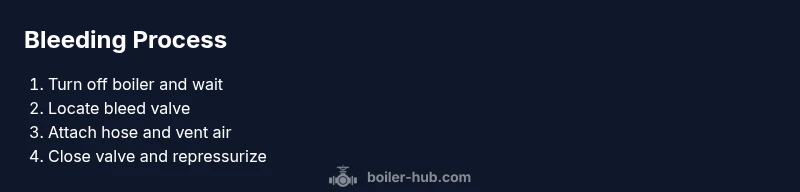
Bleeding air from a closed heating system creates a controlled release of pressurized air and a small amount of water. The air bubbles escape through the bleed valve, allowing the system to reach stable pressure and better radiative heat distribution. This overview will guide you through the essential actions without boiler-specific manufacturer instructions. Always refer to your boiler manual for exact valve locations and pressure targets, and never force fittings beyond their design.
Troubleshooting Common Issues After Bleeding
If air persists after bleeding, recheck the radiator bleed points and the boiler pressure gauge. A sudden pressure drop after venting may indicate a leak elsewhere in the loop; in this case, inspect joints, valves, and the expansion vessel. If water spurts rather than drips from the bleed valve, close the valve and try again with gentler pressure. Noise after bleeding could signal circulating pump issues or air trapped in radiators beyond the boiler loop. In most homes, a single successful bleed resolves the most noticeable issues, but persistent symptoms warrant a professional inspection.
Aftercare: Repressurizing, Testing, and Maintenance
After venting, check the boiler’s pressure gauge and restore the pressure to the manufacturer’s recommended range by adding water through the filling loop. Once pressure is steady, turn the boiler back on and run the central heating to verify heat delivery and listen for unusual noises. Re-bleed any radiators showing air pockets and monitor for the return of noise or cold zones. Regular checks and a light seasonal bleed can help maintain efficiency and extend boiler life.
When to Call a Professional
If you smell fuel, notice leaking seals around the burner, or cannot locate the bleed valve, stop and call a licensed technician. Oil boilers operate with combustion equipment that requires proper burner settings and leak detection. Bleeding is safe for most homeowners, but a professional should handle repairs beyond basic venting, adjustments to pressure, and any sign of fuel issues.
Tools & Materials
- Oil boiler bleed key or flathead screwdriver(Choose the tool that fits your bleed valve hex or slot)
- Clear plastic tubing(Long enough to route away from the boiler)
- Shallow tray or bowl(Catches water and any residue)
- Absorbent rags(Wipe spills and excess moisture)
- Protective gloves(Keep hands safe from hot surfaces and steam)
- Flashlight(Illuminates valve area if lighting is poor)
- Adjustable wrench(Only if your valve or fittings require it)
Steps
Estimated time: 20-40 minutes
- 1
Turn off the boiler and allow to cool
Switch off the boiler and cut power at the appropriate switch or breaker. Wait until the system is cool to avoid burns and scalding from hot water or steam. This initial safety step reduces risk before you touch any valves.
Tip: Never bleed while the boiler is hot or when the radiators are hot to avoid burns. - 2
Locate the bleed valve and prepare the area
Find the bleed valve on the boiler, usually near the outer edge of the unit. Place a tray beneath the valve and attach the clear hose to channel water away from the boiler and any electrical components.
Tip: If you’re unsure of valve location, consult the manual or label on the boiler near the valve. - 3
Attach tubing and position the collection tray
Fit the tubing over the valve outlet and route it into the tray or bucket. Keep everything stable to prevent spills as you vent air.
Tip: Test the tubing fit before opening the valve to avoid losing the stream of water. - 4
Open the bleed valve slowly to vent air
Use the appropriate tool to slightly loosen the bleed valve. Let air escape until a steady water stream appears, then close the valve firmly to stop airflow.
Tip: Open slowly and pause if you hear hissing air or see spurting water. - 5
Close valve and check for leaks
Tighten the bleed valve securely and inspect the surrounding fittings for any signs of moisture. A small trace is normal, but persistent dampness means you may have a loose seal.
Tip: Wipe down the area to clearly see any future leaks. - 6
Repressurize and recheck pressure
If your boiler pressure is low after bleeding, reintroduce water via the filling loop according to the manual until the gauge reads within the recommended range.
Tip: Do not overfill; small adjustments are easier to fix later. - 7
Test operation and inspect radiators
Turn the boiler back on and run the central heating for a cycle. Check radiators for consistent heat and listen for unusual noises that might indicate remaining air pockets.
Tip: Bleed additional radiators if you hear air-related noises or cold spots.
Questions & Answers
What is bleeding an oil boiler?
Bleeding an oil boiler releases trapped air from the heating system to restore efficient water flow and consistent heat. It helps prevent noisy operation and cold spots in radiators.
Bleeding is releasing trapped air from your system to improve heating performance.
Can I bleed an oil boiler myself?
Yes, with proper safety precautions and the right tools. If you smell fuel, find leaks, or are unsure about valve locations, call a professional.
Yes, you can bleed it yourself if you follow safety steps and use the right tools.
What should I do if water spurts out instead of dripping?
Pause, tighten the valve, and reattempt slowly. If spurting recurs, switch off and consult a professional to avoid scalding and potential damage.
If water spurts, stop, close the valve, and consider professional help if it repeats.
How often should I bleed the boiler?
Bleed when you notice cold spots, noises, or reduced heating efficiency. Routine checks once per season can help maintain performance.
Bleed as needed, typically when you notice cold spots or noises, and do a seasonal check.
Will bleeding affect warranty?
Bleeding a boiler as part of normal maintenance typically does not affect warranty, but performing unauthorized repairs or altering safety components can.
Normal bleeding as part of maintenance should not void warranty, but avoid repairs beyond basic venting.
What if I don’t see any improvement after bleeding?
If issues persist, there may be leaks, pump problems, or air trapped in other zones. A professional inspection can diagnose hidden faults.
If there’s no improvement, a pro should check for leaks or other air pockets.
Watch Video
Key Points
- Bleed air safely using the correct valve and tools.
- Check and adjust boiler pressure after venting.
- Re-test the heating system for full warmth distribution.
- Consult a pro if leaks or fuel smells are detected.