How to Reduce Boiler Pressure to the Ideal Range
Learn a clear, safe approach to bring boiler pressure to the ideal range. This guide covers diagnosis, bleeding, expansion tank checks, re-pressurization, and professional signs to watch for—so homeowners and facility managers can maintain efficient heating.


According to Boiler Hub, reducing boiler pressure to the ideal range is a safe, doable task when you follow proper steps. You’ll confirm the target pressure on your gauge, bleed radiators, inspect the expansion tank, and relieve excess pressure carefully. This quick guide outlines the core actions and safety checks you need before proceeding with a full step-by-step approach.
Understanding boiler pressure and the ideal range
Boiler pressure is the force that pushes hot water through your heating system. It is displayed on a gauge near the boiler and is measured in bar or psi depending on your region. When people ask how to reduce boiler pressure ideal, they’re usually trying to bring the gauge back into the manufacturer’s safe range after it has climbed or fallen unexpectedly. The concept of an ideal range is not a fixed number for every home; it depends on boiler type, system size, and whether the boiler is cold or hot. Generally, you want the pressure to sit within the range shown on the gauge when the system is cold, and to stay within a range just above that when the system is hot. The difference accounts for water expansion as the boiler heats. If the needle sits in the high red zone, you should take action promptly; if it stays persistently low, the system may need re-pressurization. Throughout this guide, we’ll focus on safe, controlled steps you can take to reach and maintain that ideal pressure. This content draws on practical experience and general guidelines from Boiler Hub.
Safety considerations before you begin
Before you touch any boiler pipes or valves, prioritize safety. Ensure the entire area is cool to the touch, especially around radiators and the boiler itself. Wear protective gloves and eye protection if you have them. Never work on a boiler that is hot or pressurized; sudden releases can cause burns or scalds. Keep children and pets away from the workspace. If you notice obvious leaks, corrosion, or a persistent pressure spike, stop and seek professional service. This section emphasizes safe handling and sets the stage for careful, methodical steps later in the guide.
Quick diagnostic checks you can perform
Start with non-invasive checks to determine the likely cause of pressure deviations. Inspect the gauge to see whether it fluctuates with the heating cycle. Look for any damp spots around joints, valves, or the expansion tank—these can signal leaks. Listen for hissing sounds near the boiler or radiators, which may indicate air entering the system. Check radiator fins for cold spots while the system is operating; inconsistent heat can suggest trapped air or circulation issues. Note whether the boiler has recently undergone maintenance or a refill, as those events can temporarily affect pressure. These diagnostics help you decide whether a bleed, a tank inspection, or a professional service is required. This approach aligns with general best practices seen in Boiler Hub guidance.
Bleeding radiators correctly
Bleeding radiators is a common first step to relieve excess pressure and release trapped air that can hinder circulation. Start with the radiator farthest from the boiler to balance the system. Use a bleed key or screwdriver to open the bleed valve slowly—just enough to release a steady hiss of air and a few drops of water. Close the valve promptly once water begins to flow. Do not overtighten, and keep a cloth handy to catch minor spills. After bleeding, recheck the pressure gauge and inspect nearby valves for any signs of wear. Bleeding is straightforward, but it must be done safely and deliberately to avoid scalding or water spraying.
Inspecting expansion tank and its role
The expansion tank accommodates water expansion as the system heats. If the tank is waterlogged, it cannot absorb pressure spikes, leading to higher pressure in the system. Inspect the tank’s air charge if you have access, or look for signs of a wet tank (water collecting in the tank area). If you suspect an issue, it may require a professional refill or replacement. While inspecting, check for rust, corrosion, or leaks at the tank connections. A healthy expansion tank helps stabilize pressure and reduces the likelihood of sudden spikes.
Re-pressurizing the system to the ideal range
After bleeding and tank inspection, you’ll refill the system to the target pressure. Use the boiler’s filling loop or recommended fill mechanism, opening it slowly and allowing water to enter gradually. Frequently watch the gauge as pressure rises to avoid overshoot. Stop filling as soon as you approach the manufacturer’s specified safe range, then close the loop and recheck the system for leaks. If your gauge continues to drift, there may be hidden leaks or a faulty pressure relief valve that needs professional service. This stage is subtle but critical for long-term performance and safety.
Verifying readings and preventing future pressure drops
Take a few minutes to verify that readings are steady after re-pressurization. Run the heating cycle briefly and monitor the gauge for any drift. Inspect joints and valve seals again for signs of renewed leaks. Consider scheduling a routine check of pressure-relief valves, expansion tanks, and circulating pumps to prevent future variances. Regular monitoring helps catch problems early and preserves energy efficiency. Maintaining proper pressure supports boiler longevity and consistent comfort.
Common mistakes and how to avoid them
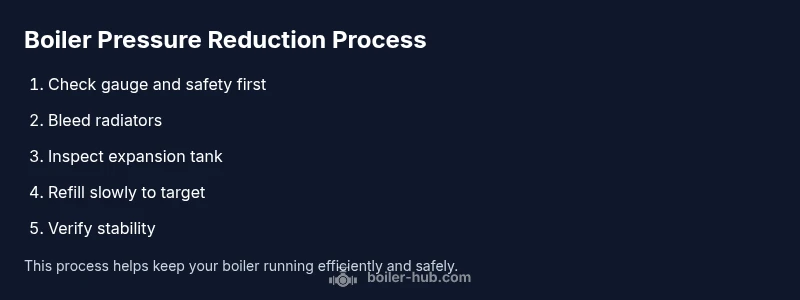
Beware of common errors: bleeding when the system is hot, ignoring safety warnings, or overfilling the system too quickly. Don’t improvise with improvised tools or force valves beyond their designed range. Never work alone if you feel unsure, and don’t ignore warning signs like persistent leaks or unusual noises. By following a deliberate sequence—cool system, bleed as needed, inspect components, re-fill gradually, verify readings—you reduce risk and improve outcomes.
Troubleshooting beyond the basics
If pressure continues to drift after following the steps above, you may be dealing with a more complex issue, such as a faulty pressure relief valve, a failing expansion tank, or a circulating pump problem. In such cases, document readings, note any noises or water leaks, and contact a licensed technician. Boiler systems can be intricate, and professional evaluation ensures safety and compliance with local regulations. This section outlines when to escalate and why expert help matters for long-term reliability.
Tools & Materials
- Bleed key or flat screwdriver(Essential for radiator bleed valves)
- Adjustable wrench(For valve fittings and drain cock)
- Container to catch water(Place beneath bleed valve)
- Towels or rags(Absorb spills and protect floors)
- Gloves and eye protection(Personal safety gear)
- Boiler manual / target pressure range(Know expected range and procedure)
- Flashlight or headlamp(Improve visibility in tight spaces)
- Soft brush or cloth(Clean area around valves before starting)
Steps
Estimated time: 45-60 minutes
- 1
Power down and cool the boiler
Turn off the boiler and allow the system to cool completely before touching any components. This reduces the risk of burns and pressure-related injuries. Verify that the thermostat is set to off and that the boiler has not been recently running hot.
Tip: If you must work near the heat exchanger, wait at least 15-20 minutes after the boiler ceases operation. - 2
Check the target pressure on the gauge
Read the pressure gauge to identify whether you are above, within, or below the recommended range. Note the current reading and compare it to the boiler’s label or user manual. This establishes the goal for your bleed and refill steps.
Tip: Keep a small notepad to record readings over time for trend analysis. - 3
Bleed radiators to release trapped air
Start with the radiator farthest from the boiler. Use a bleed key to open the valve slowly until air escapes, then close once water begins to flow steadily. Check each radiator in turn, ensuring no valve remains partially open. This lowers air resistance and helps stabilize pressure.
Tip: Do not force the valve; a gentle turn is enough to release air safely. - 4
Inspect the expansion tank for signs of failure
Check the expansion tank for signs of waterlogging, corrosion, or leaks. If the tank is not holding air or appears damp, it may need servicing or replacement. This prevents future pressure excursions caused by poor expansion compensation.
Tip: Carefully test the tank’s air charge if accessible; a professional can recharge or replace it as needed. - 5
Refill slowly to the target pressure
Open the filling loop gradually and let water enter the system at a controlled pace. Monitor the gauge closely and stop just before reaching the upper end of the safe range. Close the loop securely to prevent unintended refilling.
Tip: Filling too quickly can overshoot the target, requiring a repeat of several steps. - 6
Bleed again if the gauge fluctuates
If the pressure needle wobbles as you re-fill, bleed a small amount from one radiator and re-check. Small adjustments can stabilize readings and prevent overshoot. Avoid repeated aggressive bleeding.
Tip: Record any fluctuations to show a tech later if needed. - 7
Check for leaks and secure all connections
Walk the system and inspect joints, valves, and the expansion area for moisture or damp patches. Tighten fittings only to manufacturer torque if specified. Leaks are a common cause of pressure drift.
Tip: If you notice a persistent leak, shut down the system and call a technician. - 8
Test boiler operation and confirm stability
Power the boiler back on and allow it to run through a heating cycle. Monitor the pressure as the system heats, ensuring it remains within the safe range. If stability is achieved, tidy the work area and resume regular use.
Tip: Keep monitoring for the first few cycles; occasional drift can occur but should settle.
Questions & Answers
Is reducing boiler pressure safe for DIY homeowners?
Yes, with proper safety steps and by staying within the manufacturer’s guidelines. Work only when the system is cold, use protective gear, and stop if you detect leaks or unusual noises. If any step feels uncertain, contact a professional.
Yes, you can safely reduce boiler pressure if you follow safety steps and stay within the manual’s guidelines. If anything feels uncertain, call a pro.
What is considered an ideal boiler pressure?
Ideal pressure is the range specified by the boiler manufacturer, typically shown on the gauge. It can vary by model and whether the system is cold or hot. Always rely on the label near your unit for the exact range.
Ideal pressure is the range shown on your boiler’s label; follow the manufacturer’s range for your model.
Why does my expansion tank matter for pressure?
The expansion tank absorbs water expansion as the system heats. A faulty tank can cause pressure spikes or drops, leading to unstable operation. Regular checks help prevent costlier issues later.
The expansion tank soaks up expansion; if it fails, pressure can spike or drop unexpectedly.
What if pressure rises again after re-pressurizing?
Persistent rise after re-pressurizing suggests a leak, faulty valve, or tank issue. Recheck for signs of leakage and consider professional service to diagnose and repair the root cause.
If pressure climbs again after re-pressurizing, there may be a leak or faulty component; call a pro.
Can I bleed while the system is hot?
Bleeding while the system is hot can cause scalding and burns. Always wait for the system to cool and perform bleeding with caution.
No—bleed only when the system is cool to avoid burns.
Watch Video
Key Points
- Verify the target pressure first, then act.
- Bleed radiators and check the expansion tank if pressure drifts.
- Refill slowly and monitor gauges to avoid overshoot.
- Inspect for leaks and secure connections after re-pressurization.
- If in doubt, consult a licensed technician promptly.