How to Prevent Boiler Pipe Freezing: A Practical Guide
Learn proven, practical methods to stop boiler pipes from freezing. This guide covers insulation, heating strategies, and maintenance tips to protect your boiler and home during cold snaps.


According to Boiler Hub, preventing boiler pipe freezing starts with protecting exposed pipes, maintaining warmth, and staying on top of maintenance. This guide provides 6 practical steps you can implement this winter, plus safety reminders and simple checks to reduce burst pipes and costly repairs. Follow each step, and contact Boiler Hub Team for professional help if you detect unusual boiler behavior.
How frost forms in boiler piping and why it matters
When outdoor temperatures plunge, uninsulated boiler pipes in attics, crawl spaces, garages, or exterior walls become the most vulnerable. Water inside the pipes can freeze, expand, and stress the pipe walls, potentially causing cracks or bursts. A frozen section can also starve the boiler of water, causing the boiler to shut down or overheat once thawing occurs. Risks include property damage from leaks and costly boiler repair. Proactively protecting these pipes reduces freeze-related failures and keeps your heating system reliable throughout cold snaps. According to Boiler Hub, the most at-risk installations are those with long runs of exposed copper or plastic piping in unheated zones.
Quick wins you can implement today
Even before a cold front hits, you can implement simple measures that dramatically cut the chance of a freeze. Keep the thermostat set to a minimum comfortable level (ideally 55–60F) even when you’re away. Open cabinet doors under sinks to allow warm room air to reach pipes. Seal obvious gaps where cold air leaks in from outside. Let a slow drip from faucets on the cold side during extreme cold if you have long pipe runs. Move exterior hoses to dry storage and disconnect sprinklers. These small actions buy time and reduce pressure differentials that force water through vulnerable sections.
Insulation and pipe wrapping techniques
Insulating exposed pipes is one of the most effective defenses. Use foam sleeves or fiberglass wrap and ensure seams are sealed with appropriate tape. For pipes in unheated spaces, add an extra layer of insulation, especially around bends where cold air pools. Do not compress insulation; leave an air gap to prevent moisture buildup. Apply insulation to every exposed run under sinks, in basements, and along exterior walls. Check for gaps around electrical boxes or joints and seal them.
Heating strategies to keep spaces warm and pipes moving
Maintain even heat throughout the building to avoid cold pockets where water can stagnate and freeze. If you have zone heating, keep all zones active in winter, especially those feeding outdoor spaces or garages. Consider heat tracing cables on long pipe runs, but follow manufacturer instructions and keep cords away from combustibles. Gentle, continuous warmth helps water move, which lowers freezing risk and reduces pressure build-up in the system.
Boiler system safeguards and controls to prevent freezing
Modern boilers often include frost protection modes. Activate frost protection if your area experiences severe cold, and verify the boiler’s settings before cold snaps. Check the expansion tank and make sure the fill valve maintains proper water level. Monitor boiler pressure — irrational swings can indicate a hidden problem. Keep CO detectors fresh and test alarms monthly to ensure your safety in a freeze.
Plumbing and appliance layout considerations
If possible, reroute exposed pipes away from unheated spaces and towards interior walls where warmth is more reliable. Avoid routing pipes through garages or crawl spaces that are not climate-controlled. For homes with basements, ensure pipes are insulated and that there’s adequate ventilation to prevent condensation. Simple layout adjustments can dramatically reduce frost risk and simplify maintenance.
Maintenance routines you can schedule now
Create a winter maintenance calendar that includes a boiler service, insulation checks, and radiator bleeding if your home uses hydronic heating. Have a professional inspect the system for leaks, check pressure, and test frost protection features. Replace brittle insulation and keep a log of service dates. Regular checks catch issues before they become costly problems and extend boiler life.
What to do during an extreme cold spell
If temperatures plummet, keep the heat on and avoid turning off the system. If you notice a visible frost on pipes or a sudden drop in performance, increase warmth modestly and check seals around doors and windows. Do not attempt to thaw pipes with open flames or high-heat devices. If you suspect a burst or you hear rushing water, shut off the main water supply and call a professional immediately.
When to call a professional
If freezing occurs across multiple locations, or you see leaks after thawing, a licensed plumber or boiler technician should assess the system. A professional can perform a pressure test, inspect insulation, diagnose hidden risks, and safely restore full operation. Regular professional maintenance remains the best defense against repeat freezes.
Tools & Materials
- Pipe insulation sleeves (foam or rubber)(Choose pre-slit sleeves for quick installs; fit snugly around pipes)
- Fiberglass wrap or reflective tape(Use heat-resistant tape to seal seams)
- Heat tracing cables / heat tape(Only if long runs lack adequate warmth; follow manufacturer instructions)
- Programmable thermostat or smart thermostat(Set to maintain 55–60F in unoccupied periods)
- CO detector (battery-operated, audible)(Install on every floor near living areas)
- Drip valve or small-bore faucet (optional)(Use during extreme cold to keep water moving in vulnerable lines)
- Caulk/sealant and foam sealant(Seal gaps around pipes and through-penetrations to reduce drafts)
- Duct tape / foil tape(Seal seams and patches on insulation)
Steps
Estimated time: 2-3 hours
- 1
Survey and identify vulnerable pipes
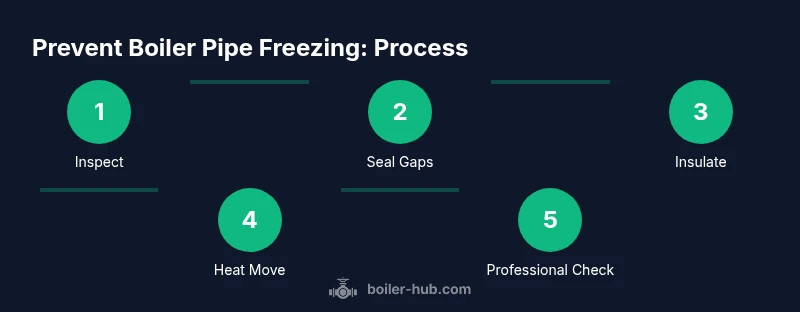
Walk your home to map pipes in basements, attics, garages, and exterior walls. Mark sections that are uninsulated or exposed to cold air. This helps you target insulation and protective measures where they matter most.
Tip: Use a marker to flag high-risk runs for quick future reference. - 2
Seal gaps and drafts
Inspect doors, windows, and penetrations around pipes. Seal visible drafts with caulk or foam to prevent cold air from reaching pipes.
Tip: Pay attention to gaps near plumbing vents and electrical conduits. - 3
Install insulation on exposed pipes
Slip on foam sleeves or wrap fiberglass around all exposed pipe runs. Ensure tight fit without compressing material. Seal seams with foil tape or duct tape.
Tip: Take care around bends; use extra pieces to cover corners. - 4
Enhance heating and circulation
If you have zones or cold spaces, ensure they receive adequate heat. Consider heat tracing for long runs, and maintain a steady temperature to keep water moving.
Tip: Avoid turning off heating entirely during cold spells. - 5
Check boiler safeguards
Verify frost protection mode is enabled where available and confirm the expansion tank and fill valve are correctly set. Ensure CO detectors are functional.
Tip: Record last service date and next recommended maintenance. - 6
Set up a maintenance plan
Create a winter maintenance schedule with inspections, radiator bleeding (if needed), and annual service. Keep a log of dates and findings.
Tip: Schedule service before the coldest months for best protection.
Questions & Answers
Is it possible to prevent boiler pipe freezing without professional help?
Yes. You can reduce risk with insulation, warm temperatures, and basic checks. More complex issues, like leaks or hidden pipes, require a licensed pro.
Yes, you can DIY many preventive steps, but call a professional for leaks or hidden pipes.
What are the most common signs that pipes are at risk of freezing?
Unusually cold spots on pipes, frost buildup on exteriors, condensation, or weak water flow can indicate freezing risk.
Look for cold or frosty pipes and reduced water flow as warning signs.
Should I drip faucets during extreme cold?
Yes, a slow drip on exposed lines helps prevent pressure buildup and keeps water moving during severe cold.
A small drip from faucets can prevent a burst by keeping water moving.
Can frost protection features fail on newer boilers?
While modern boilers have frost protection, they rely on proper settings and insulation. Additional insulation reduces risk further.
Frost protection helps, but good insulation is still essential.
When should I call a professional for freezing issues?
If freezing recurs, multiple areas are affected, or you suspect a burst, contact a licensed technician promptly.
Call a professional if you suspect a burst or persistent freezing.
Watch Video
Key Points
- Protect exposed pipes with insulation and wraps
- Keep heat flowing and avoid drafts around pipes
- Schedule annual boiler service and insulation checks
- Know safe thawing steps and when to call a pro
- Maintain CO detectors and safety alarms