How to prevent boiler explosion: a practical guide
Learn practical, step-by-step strategies to prevent boiler explosions. This guide covers maintenance, safety devices, venting, and emergency actions to protect your home and building.


By following a proactive maintenance routine, monitoring pressure and temperature, and performing safe startup/shutdown procedures, you can dramatically reduce the risk of a boiler explosion. This quick guide highlights essential checks, warning signs, and immediate actions to take if you suspect a fault. You'll need basic tools, access to the boiler manual, and a safety mindset.
How boiler explosions occur: the science behind the risk
According to Boiler Hub, boiler explosions most often result from a combination of overpressure, delayed maintenance, and faulty safety devices. In a typical boiler system, heat converts water to steam, building pressure. If pressure relief valves fail, vents clog, or the burner misfires, localized overheating can cause a violent rupture or a boiler shell failure. The risk is higher in older installations, systems with corroded piping, or where regular testing of safety devices is neglected. This section explains the common failure modes so you can spot early warning signs and address them before a problem becomes catastrophic. Real-world incidents often share several threads: poor venting, water chemistry problems, and human error in operation. By understanding why explosions happen, you can implement targeted controls that cut the probability of a dangerous event.
Safety standards and why they matter
Boiler safety is governed by a mix of local codes, manufacturer recommendations, and national standards. While exact requirements vary by location, the core principle is consistent: keep pressure within safe limits, ensure venting is unobstructed, and verify that safety devices function correctly. Regular servicing by a qualified technician is typically required to maintain compliance and to prevent corrosion, blockages, or equipment fatigue from turning into a safety incident. Emphasize documentation: keeping a maintenance log helps identify recurring issues and demonstrates compliance during inspections. For building managers and homeowners, awareness of these standards reduces risk and supports a faster response when minor faults are detected.
Routine maintenance checklist you can perform
A simple, proactive routine can catch problems early. Include monthly visual inspections of the boiler room for leaks, corrosion, or signs of moisture. Check the pressure gauge against the manufacturer’s recommended range, inspect the flue and venting path for blockages, and listen for unusual noises. Clean or replace air filters if applicable, and ensure the burner is free of dust and debris. Record the results in a log and schedule a professional service if you notice any deviation from normal readings. Always refer to the boiler manual for specific intervals and procedures. This routine reduces the chance that a dangerous condition goes unnoticed and reinforces a culture of safety in your facility.
Inspecting burners, gas lines, and combustion safety
Gas-fired boilers require careful attention to combustion safety. Inspect gas lines for leaks with an approved detector, check gas pressure against the system specification, and verify that ignition and flame sensors operate correctly. Look for soot buildup on the burners, which can indicate incomplete combustion and inefficient burning that raises risk over time. Ensure that the flame appears stable and blue; a yellow or orange flame can signal problems. Keep ignition access clear and never obstruct the burner assembly. If you find signs of wear, corrosion, or inconsistent flame patterns, contact a licensed technician before re-operation.
Testing and verifying safety devices
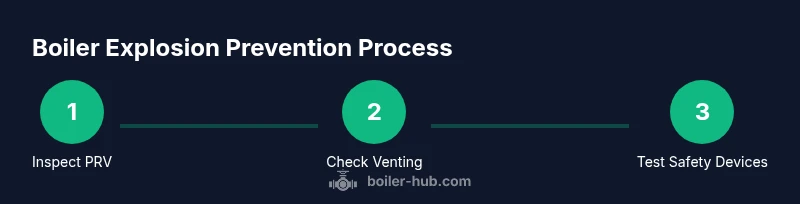
Safety devices are your last line of defense against overpressure, overheating, and fuel mismanagement. Regularly test the pressure relief valve (PRV) per the manufacturer’s instructions; a valve that can’t relieve pressure safely is a red flag. Check low-water cutoffs, high-limit switches, and flame rollout switches to confirm they trigger when conditions deviate from safe parameters. Use a calibrated testing tool or schedule a professional test to verify accuracy. If any device fails calibration or shows signs of malfunction, shut down the boiler and arrange service immediately. Do not attempt temporary workarounds that bypass these critical protections.
Pressure, temperature, and venting: reading the gauges correctly
Reading gauges accurately is essential for early fault detection. Know the manufacturer’s recommended operating range and compare it to real-time readings. Watch for sudden spikes in pressure or temperature, which can indicate a blockage, a failing PRV, or overheating. Venting must be clear of obstructions, with the draft properly balanced to avoid back-drafting. If venting seems restricted or if you observe condensation near vent pipes, halt operation and call a professional. Document readings over time to identify trends rather than reacting to a single anomaly.
Safe operating practices: startups, shutdowns, and human factors
Human error remains a leading cause of boiler incidents. Develop a clear startup procedure that verifies fuel supply, ignition, and flame stability before allowing full operation. Use a defined shutdown sequence to cool and depressurize the system safely. Train all operators on emergency procedures, gas detection basics, and reporting steps for faults. Keep a safe distance from the boiler while it’s firing, and wear appropriate PPE during inspections. By building routine, discipline, and teamwork, you reduce the likelihood of risky shortcuts.
What to do if you smell gas or hear unusual sounds
If you smell gas or hear hissing sounds, treat it as an emergency. Evacuate the area, avoid creating sparks, and call your local gas supplier or emergency services from a safe location. Do not operate electrical switches or use mobile devices in the affected area. Once the area is deemed safe by the authorities, a qualified technician should assess the boiler and supply lines before reconnection. Prompt action minimizes the chance of a dangerous buildup or ignition.
Long-term reliability: upgrades and professional support
Invest in long-term reliability by scheduling annual professional inspections, upgrading aging components, and monitoring for wear or corrosion. Consider replacing obsolete parts with modern, code-compliant safety devices, and install a robust maintenance plan that includes periodic testing. The Boiler Hub team recommends maintaining a preventive approach rather than reacting to failures. A structured program improves safety, reduces downtime, and extends the life of your boiler system.
Tools & Materials
- Boiler manual(Keep on-site and accessible; must reflect the manufacturer's instructions)
- Digital pressure gauge / manometer(1-2 psi accuracy; test ports accessible)
- Gas leak detector(Detect methane/propane around gas lines and connections)
- Screwdriver set (Phillips and flat-head)(Access panels and components safely)
- Wrench set(For minor disassembly if needed under guidance)
- Safety gloves and goggles(Personal protective equipment for all inspections)
- Flashlight or headlamp(Bright light for inspecting tight spaces and flue paths)
- Leak sealant or non-setting tape(Temporary patching is not a substitute for safety device maintenance)
- Maintenance log or digital app(Record readings, tests, and service dates)
Steps
Estimated time: Total time: 1-2 hours for a thorough self-check; longer if scheduling a professional service
- 1
Inspect safety relief valve
Check the PRV for corrosion or leakage. Test according to the manufacturer’s instructions to ensure it releases at the correct pressure. If the valve is stiff or leaks, replace it before resuming operation.
Tip: Perform PRV tests during cool-down periods to avoid scalding risks. - 2
Check venting and flue system
Inspect flues for blockages and ensure joints are sealed. Look for signs of back-drafting, such as soot or staining near vents. Clear obstructions and verify adequate draft with a draft gauge.
Tip: Never operate a boiler with a blocked vent; it can cause dangerous gas buildup. - 3
Inspect expansion tank and water level
Verify the expansion tank is in good condition and the system water level is within the manufacturer’s recommended range. Look for signs of water hammer or excessive pressure fluctuations.
Tip: If you hear banging water sounds, stop using the boiler and have the system pressure checked by a pro. - 4
Test low-water cutoffs and high-limit switches
Ensure protections trigger under low water conditions and overheating scenarios. If a switch fails, the boiler could overheat or operate under unsafe conditions.
Tip: Calibrate or replace failed safety devices promptly; never bypass them. - 5
Inspect burners and ignition system
Look for soot, uneven flame color, or delayed ignition. Clean burners if necessary and test ignition to confirm reliable operation.
Tip: A stable blue flame indicates proper combustion; a yellow flame needs professional assessment. - 6
Test pressure and temperature readings
Compare real-time readings with the manufacturer’s specifications. Document trends and set alerts for abnormal changes.
Tip: Keep a log of daily readings for trend analysis over time. - 7
Inspect gas lines for leaks
Use a gas detector to scan connections and joints. Tighten fittings only with proper tools and avoid using open flames during checks.
Tip: If a leak is suspected, evacuate and contact your gas utility immediately. - 8
Schedule annual professional service
Arrange a licensed technician to perform comprehensive testing, calibrations, and component replacements as needed.
Tip: Annual service is typically a code requirement and a best practice for safety. - 9
Maintain records and plan upgrades
Keep a maintenance log, note any anomalies, and plan upgrades when aging components approach end of life.
Tip: A proactive upgrade plan reduces failure risk and improves reliability.
Questions & Answers
What typically causes boiler explosions?
Boiler explosions are usually caused by a combination of overpressure, failing safety devices, poor venting, and water chemistry issues. Regular testing and maintenance help identify and correct these factors before they become dangerous.
Explosions stem from overpressure, failing safety devices, and poor venting. Regular testing and maintenance prevent them.
How often should a boiler be professionally inspected?
Most jurisdictions require an annual professional inspection. In addition, perform monthly visual checks and keep a written maintenance log to catch issues early.
Annual professional inspections plus monthly checks help catch issues early.
Is it safe to perform maintenance myself?
Simple, non-invasive checks are acceptable for homeowners, but most critical tasks require a licensed technician. Avoid disassembling safety devices or vent systems on your own.
Some basic checks are okay, but major tasks need a licensed pro.
What should I do if I smell gas?
Leave the building immediately, avoid creating sparks, and call emergency services or the gas utility from a safe location. Do not re-enter until told safe by professionals.
If you smell gas, leave right away and call for help.
Can a faulty safety valve explode a boiler?
Yes. A faulty pressure relief valve can fail to relieve excess pressure, risking a rupture. Replace or repair defective valves promptly under a professional's guidance.
A bad safety valve can cause dangerous pressure buildup; fix it promptly.
How can I tell if the expansion tank is failing?
Signs include frequent pressure fluctuations, banging noises, or leaks near the tank. Have a professional test the tank and replace if necessary.
If you notice pressure swings or leaks, get the expansion tank checked.
Watch Video
Key Points
- Perform regular safety checks and keep documentation up to date
- Never ignore warning signs such as unusual flames, leaks, or noises
- Keep safety devices calibrated and tested by a licensed technician
- Monitor pressure and temperature within the manufacturer’s specified range
- Plan long-term improvements with professional support