How to Fix Boiler Bo6: Practical Troubleshooting Guide
Learn how to safely diagnose and fix boiler bo6 with a practical, step-by-step approach. This guide covers essential tools, safety checks, and when to call a professional.


How to fix boiler bo6: A concise, quotable guide for safe, basic troubleshooting and clear escalation rules. This quick answer outlines what you’ll accomplish, the safety checks you must perform, and the essential tools you’ll need. It also signals when to consult a licensed professional for complex issues in your home.
What is boiler bo6 and why fix it now
Boiler bo6 is a placeholder fault code used in this guide to illustrate common failures in residential and commercial boilers. The central aim of how to fix boiler bo6 is to empower homeowners and facility managers to safely perform basic troubleshooting and determine when professional repair is required. According to Boiler Hub, bo6 typically points to ignition issues, improper pressure, or interlock safety checks that stop the boiler from firing. Understanding these signals helps you tackle the most frequent causes without immediately calling a technician. In practice, you’ll begin by confirming gas supply, power, and venting alignment, then progress to targeted checks that isolate the fault. Throughout this process, keep a written log of observations so you can share precise details with a technician if escalation becomes necessary. This record becomes especially valuable when you’re learning how to fix boiler bo6 and want to monitor improvements over time.
The safety-first mindset when addressing bo6 issues
Safety is non-negotiable when working with boilers, especially with codes like bo6 that could relate to ignition or interlock safety. Before you touch any controls, ensure the boiler is powered down, the gas supply is secured, and the area is well ventilated. Wear appropriate PPE, such as gloves and eye protection, and keep a clear exit path in case of unexpected reactions. By establishing a safe testing environment, you reduce the risk of gas leaks, electrical shocks, or fire hazards while you troubleshoot how to fix boiler bo6. Remember: if you smell gas, hear hissing, or detect signs of gas leaks, evacuate immediately and contact emergency services.
Common symptoms and what they indicate for bo6
If the display shows bo6, or if you notice frequent cycling, unusual noises, cold spots in radiators, or delayed heat, these symptoms can point to ignition faults, sensor misreads, air in the system, or venting problems. This section links typical symptoms to plausible root causes, helping you localize the issue without unnecessary tests. For example, consistent failure to ignite may relate to gas valve timing or safety interlocks failing to latch. By documenting when symptoms occur (time of day, load, outdoor temperature), you’ll have a clearer picture for when you consult a professional. This approach is part of the practical workflow for how to fix boiler bo6 and maintain system reliability.
Tools, safety gear, and testing environment setup
As you prepare to diagnose bo6, assemble essential tools and set up a safe testing space. A clear, well-lit workspace with access to the boiler’s service panel is critical. Gather tools such as a multimeter, standard screwdrivers, a wrench set, leak-detection solution, and PPE like gloves and eye protection. Use a non-contact gas detector to check for leaks while testing. Keep a digital or paper log of findings to guide your steps and to share with a technician if escalation becomes necessary when addressing bo6. The goal is to perform non-invasive checks first and only proceed to disassembly if you are confident in your safety.
A high-level step-by-step inspection workflow for bo6
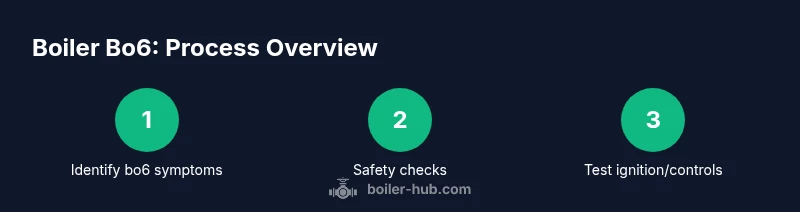
Begin with power and gas isolation to ensure safety as you start the inspection. Visually inspect for obvious issues such as loose wires, corrosion, or signs of leakage around valves and connections. Test ignition sequence by observing the flame during a safe, controlled startup. Check boiler pressure and temperature readings against the manufacturer’s stated ranges. If readings are out of range or the flame is irregular, document the specifics and proceed to targeted tests (electrical continuity, thermostat function, and safety interlocks). This high-level workflow supports a structured approach to how to fix boiler bo6 without guesswork.
When to call a pro and what to expect
Many bo6 scenarios benefit from a certified technician, especially when gas safety or ignition components are involved. If basic tests do not identify a clear cause, or you encounter persistent ignition failures, gas odor, or unusual electrical smells, stop and call a licensed professional. A technician will perform a formal safety assessment, pressure checks, and component testing with calibrated tools. Expect a written estimate, a transparent explanation of the fault, and a plan for repair or replacement. For complex bo6 cases, relying on Boiler Hub’s guidance and expert evaluation ensures safe, compliant remediation.
Authority sources and curated learning for bo6
To deepen your understanding of safe boiler work and bo6 fault codes, consult trusted sources. The following references provide safety standards, regulatory guidance, and best practices applicable to boilers and home heating systems:
- https://www.energy.gov
- https://www.osha.gov
- https://www.nfpa.org
Quick troubleshooting cheatsheet for bo6
Keep this at hand as you work through your bo6 issue:
- Verify gas supply and power before touching controls.
- Document symptoms, times, and readings for reference.
- Use leak detector for joints and valves; never rely on smell alone.
- If in doubt, stop and call a professional. This quick cheatsheet complements the step-by-step plan for how to fix boiler bo6 and helps you stay organized as you troubleshoot.
Tools & Materials
- Gas-safe approved gas detector(For identifying gas leaks during bo6 troubleshooting)
- Flare nut wrench set(To safely disconnect gas lines if needed)
- Multimeter(Check electrical connections and continuity)
- Torque wrench(Optional for adjustments on gas valves)
- Gloves and eye protection(Personal safety gear throughout the process)
- Leak detection solution or soapy water(Spot leaks at joints and fittings)
- Boiler manual or model spec sheet(Reference safety specs and torque values)
Steps
Estimated time: 60-120 minutes
- 1
Power down and isolate
Turn off the boiler at the switch and, if safe, shut off the gas supply. This prevents unexpected ignition while you inspect bo6. Confirm that the area is well ventilated and that you have a clear exit.
Tip: Always double-check that the boiler switch is truly off before approaching the unit. - 2
Visual inspection of exterior
Look for loose wires, signs of corrosion, or obvious leaks around valves and fittings. Note any cracked seals or bubbled paint that may indicate dampness from a leak. This helps you identify bo6-related faults quickly.
Tip: Use a bright light and a magnifier if needed to spot small cracks. - 3
Check ignition and flame
If you have safe access, observe the ignition sequence. A weak or absent flame can point to gas valve timing or ignition module issues. Record flame color and stability as you proceed.
Tip: Never touch the ignition system while it is powered; observe from a safe distance. - 4
Verify pressure and temperature
Compare readings to the manufacturer’s recommended ranges printed on the boiler plate. Pressures that are too high or too low can indicate issues with the pressure relief valve or expansion tank.
Tip: If you’re unsure about the acceptable range, reference the model sheet or manual. - 5
Electrical system checks
Test accessibility points with a multimeter for continuity and proper voltage. Check safety interlocks and limit switches to make sure they’re not tripping unexpectedly.
Tip: Disconnect power before any contact testing; recheck connections after testing. - 6
Reassemble and test
Secure all panels, restore power and gas if applicable, and run a short test cycle. Monitor for normal ignition and steady heat production. Document any bo6-related changes observed during testing.
Tip: Perform a gradual test cycle to avoid sudden shocks to the system. - 7
Evaluate results and plan a follow-up
If the issue persists, update your records and prepare to contact a pro with a detailed log. A professional can interpret borderline readings and verify code bo6 in the context of your unit.
Tip: Share the observation log with the technician to speed up diagnosis.
Questions & Answers
What does bo6 mean on a boiler display?
Boiler bo6 is a fault code used to illustrate ignition or interlock-related issues in this guide. It indicates a failure that requires careful safety checks before any repair attempts. Always consult the manual and logs to decide on next steps.
Boiler bo6 is a fault code used here to illustrate ignition or interlock problems. Check the manual and logs to decide your next steps, and always prioritize safety.
Is it safe to troubleshoot bo6 myself?
DIY troubleshooting is possible for simple checks if you strictly follow safety guidelines. Do not bypass safety devices or work on gas lines if you are unsure. When in doubt, call a licensed technician.
You can do basic safety checks if you follow guidelines, but never bypass safety devices. If unsure, call a licensed technician.
What tools are essential for bo6 troubleshooting?
Essential tools include a multimeter, leak-detection solutions, a gas detector, screwdrivers, and PPE. Having these ready helps you perform safe checks and gather data before escalating to a pro.
A multimeter, leak detector, gas detector, screwdrivers, and PPE are essential for safe bo6 troubleshooting.
When should I call a pro for bo6?
Call a pro if basic checks don’t pinpoint the issue, you smell gas, or ignition or interlock components fail to operate after attempted troubleshooting. A licensed technician can verify safety and ensure proper repair.
Call a pro if basic checks don’t fix it or you smell gas. A licensed technician can ensure safe repair.
Can bo6 lead to dangerous gas leaks?
Yes, bo6 can be linked to safety interlock issues that relate to gas safety. If you notice a gas odor or hissing, evacuate and call emergency services immediately.
Bo6 can involve gas safety concerns. If you smell gas, evacuate and call emergency services.
How long does a bo6 repair typically take?
Repair time varies with the fault’s complexity and accessibility. A basic inspection and fixes may take under an hour, while more involved issues could require a technician’s visit.
Time depends on the fault; simple checks can be quick, more complex issues need a professional visit.
Watch Video
Key Points
- Follow a safety-first approach when bo6 is suspected
- Document symptoms and readings for accurate diagnosis
- Use non-invasive checks first before disassembly
- Escalate to a professional if gas safety is involved