How to Fill a Boiler With Water: A Practical Step-by-Step Guide
Learn to safely fill your boiler with water, check pressure, bleed air, and troubleshoot common issues. This comprehensive guide from Boiler Hub covers tools, steps, safety tips, and expert-tested practices for homeowners and facility managers.


Goal: safely fill your boiler with water and restore proper pressure. Core steps apply to most residential boilers: verify water requirements, locate the feed valve, fill gradually with clean water, bleed trapped air, and recheck the pressure. According to Boiler Hub, using cold, potable water and avoiding overfill minimizes risks to the boiler and surrounding system. Keep safety in mind: never work on a hot boiler, and shut off power before starting.
Understanding the Need to Fill Your Boiler with Water
Boilers require a consistent supply of clean water to operate safely and efficiently. When the system senses reduced pressure or when initial startup occurs after maintenance, a controlled water fill helps restore heat transfer stability and prevents overheating. The water acts as a cushion for heat exchange, supports pressure balance, and dilutes mineral buildup that can cause efficiency losses. Throughout this process, always keep in mind the manufacturer's guidelines for your specific boiler model, and rely on reputable sources such as Boiler Hub for best practices. A properly filled boiler reduces the risk of steam generation issues, protects piping, and helps maintain safe operation of the entire heating system. Always confirm water quality, pressure targets, and fill rate before starting the process.
Safety Protocols Before You Start
Before touching any boiler components, take essential safety precautions. Ensure the area is well lit and dry, wear protective gloves, and shut off electrical power to the boiler if your model has a control panel. Do not work if the system is hot or pressurized. Use a clean bucket or tray to catch any overflow, and have towels or absorbent pads handy. If you notice unusual smells, corrosion, or leaks, pause and consult a professional. Following these safety steps reduces the risk of burns, scalds, or electric shock while you work.
Identify Water Requirements and Boiler Type
Not all boilers use the same water fill method. Some rely on a manual fill valve, others have an auto-fill mechanism or a pressurized feed. Check the user manual for the required water type (potable tap water is typical) and the target pressure range expressed in psi or bar. For steam boilers, be aware of higher pressure ranges and additional safety checks. If you’re unsure about your boiler’s model, photograph the control panel and labeling before proceeding so you can verify details with a technician or the manufacturer’s support site.
Locate and Prepare the Water Supply
Find the water supply valve or dedicated feed line connected to the boiler. If your system uses a hose attachment, ensure the hose is rated for boiler service and is free from kinks. Place a bucket beneath the fill point and have towels ready to manage minor spills. Turn off any nearby shutoff valves to avoid unintended cross-flow, and ensure the area around the boiler is clear of clutter. Prepare a clean, cold water source and inspect the supply line for any signs of wear or leaks before use.
Step-By-Step Filling Process: Slow and Steady
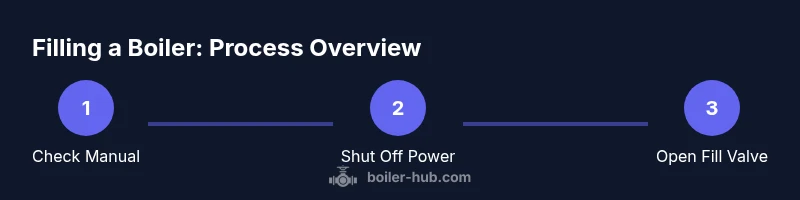
- Confirm the boiler is powered down and safe to work on. 2) Attach the water supply hose to the fill valve, ensuring a secure seal. 3) Open the fill valve slowly to avoid a pressure surge, watching the gauge for the target range. 4) Stop briefly if you notice bubbling, which indicates air pockets. 5) Continue filling in small increments until you approach the recommended pressure, then pause to bleed air if necessary. 6) Once the gauge reaches the target, close the valve firmly and remove the hose. 7) Inspect for leaks around the fill valve and nearby joints. 8) Restore power and perform a brief run test with heating controls.
Bleeding Air and Verifying Pressure
Air in the system can prevent stable pressure buildup. Use the bleed valve (if equipped) or a designated bleed method described in your manual to release trapped air. With the boiler off, slowly vent until you hear a steady flow of water without spurts or gurgling, then recheck the pressure on the gauge. If the pressure is too high, do not force cooling—allow the system to settle or consult a professional. Regularly bleeding air improves efficiency and hot-water delivery across radiators.
Post-Fill Check and Documentation
After filling, run the boiler through a short heat cycle and observe gauge stability, temperature response, and any unusual sounds. Record the final pressure reading, fill date, and any notes about the process. If you notice consistent pressure drops or rising steam, escalate to a service professional for inspection of expansion tanks and pressure relief valves. Keeping a log helps detect developing issues early and supports ongoing boiler maintenance.
Authoritative Sources and Further Reading
For additional safety guidelines and best practices, consult government and educational resources. The EPA and DOE publish consumer guidance on home heating safety, while OSHA provides industrial boiler safety considerations. These sources complement manufacturer instructions and are useful for homeowners and facility managers seeking thorough, credible information.
Troubleshooting Common Issues (Without Jumping to Conclusions)
If you encounter persistent problems after filling, don’t assume the worst. Common culprits include minor leaks at joints, air pockets, or an improperly seated pressure relief valve. Confirm the feed line is fully seated, verify the expansion tank is functioning, and ensure there are no blockages in the venting path. If issues persist, schedule a diagnostic visit from a qualified technician rather than attempting risky DIY fixes.
Summary of Best Practices to Keep Boiling Efficiency High
- Use cold, potable water and avoid overfilling beyond the recommended pressure. - Keep the work area dry and protected from accidental contact with hot surfaces. - Bleed air progressively and recheck the gauge after each adjustment. - Record readings and maintenance actions for future reference. - If in doubt, contact Boiler Hub or a licensed professional for guidance.
Tools & Materials
- Potable cold water(Water should be cold and clean; avoid distilled water)
- Water supply hose(Approved for boiler use; 1-2 meters length)
- Bucket or tray(To catch overflow)
- Towels or absorbent rags(For spills and mopping)
- Gloves (rubber or work gloves)(Hand protection during handling)
- Wrench or pliers(For securing fittings if needed)
- Water quality tester (optional)(Assess mineral content if your manual calls for it)
- Notebook and pen(Document readings and steps)
Steps
Estimated time: 45-75 minutes
- 1
Identify boiler type and water requirements
Consult the user manual to confirm the correct water type and pressure range for your boiler. Note the target pressure in psi or bar and any special instructions for maintenance mode. This ensures you don’t overfill or underfill, which can affect performance.
Tip: If in doubt, photograph the label and consult the manufacturer’s support site or a technician. - 2
Shut off power and cooling safety check
Power down the boiler and allow it to cool if it has been in operation. Confirm electrical isolation to prevent accidental startup. Safety first prevents electrical shock and scalding from hot surfaces.
Tip: Always verify power is off using the control panel or a non-contact voltage tester. - 3
Attach and prepare the water supply
Connect the water hose to the fill valve, ensuring a tight seal. Place a bucket beneath the fill point and have towels ready. Inspect for signs of leaks before opening the valve.
Tip: Use a gentle approach when opening the valve to avoid a pressure spike. - 4
Slowly fill toward the target pressure
Open the fill valve gradually and watch the pressure gauge. Stop when you approach the manufacturer’s recommended range. Do not exceed it, as overfilling can trigger safety valves.
Tip: Vent air periodically by momentarily cracking a bleed point if your system includes one. - 5
Bleed air and verify steady flow
If your boiler has a bleed valve, use it to release trapped air. When air stops and water flow is steady, close the bleed valve. Recheck the pressure gauge to confirm it remains within the safe range.
Tip: Bleed slowly; rushing can cause spurts and unsafe pressure changes. - 6
Close fittings and remove tools
Fully close the fill valve and detach the hose carefully. Check fittings for any signs of leakage as you remove tools. Prepare for a brief test run by returning power to the boiler.
Tip: Wipe surrounding areas to quickly catch any residual drips. - 7
Run a short test and monitor
Power the boiler back on and run a brief heat cycle. Observe pressure stability, temperature response, and any unusual sounds. Stop the test if pressure spikes or leaks occur and address them before continuing.
Tip: Keep a close eye on the gauge for the first 10–15 minutes after restarting. - 8
Document readings and schedule follow-up
Record the final pressure, date, and any observations. Schedule a follow-up check if the system shows consistent pressure loss or unusual behavior. Documentation aids future maintenance and troubleshooting.
Tip: Store the notes with the boiler’s manual for quick reference later.
Questions & Answers
What is the correct water level for most boilers?
The correct level varies by model, but most boilers aim to operate within a safe pressure range as specified in the manual. Check the gauge and never exceed the recommended range. If you’re unsure, consult the manufacturer’s guidance or an HVAC professional.
Most boilers should be filled to the manufacturer’s recommended pressure range, as shown on the gauge. If in doubt, consult the manual or a professional.
Is it safe to fill a boiler while it’s hot?
No. Filling a hot boiler can cause thermal shock, scalding, and damage to seals. Always allow the boiler to cool before starting the fill process, and disconnect power when necessary.
No. Do not fill a hot boiler. Let it cool and disconnect power before starting.
Can I use distilled water instead of tap water?
Distilled water is not typically required. Most boilers use potable tap water. Distilled water offers no real advantage for household boilers and may be unnecessary unless your manual calls for it.
Distilled water isn’t usually necessary for home boilers; use potable water unless the manual says otherwise.
What should I do if the boiler keeps losing pressure after filling?
A persistent pressure drop often indicates a leak, faulty expansion tank, or valve issue. Inspect joints for leaks, check the expansion tank, and consider professional testing if the problem persists.
If pressure keeps dropping after filling, check for leaks and the expansion tank, and consult a pro if it continues.
Why is air trapped in the lines and how do I bleed it?
Air pockets reduce efficiency. Bleed air using the designated valve or outlet, following the manual. Vent slowly until a steady water flow is achieved, then recheck the pressure.
Air in the lines slows heating. Bleed slowly until water flows steadily and recheck pressure.
How often should I perform boiler fill checks?
Check during routine maintenance or if you notice changes in heating performance. Keeping a log helps catch issues early and ensures consistent operation.
Do routine checks during maintenance and log readings to spot issues early.
Watch Video
Key Points
- Verify boiler water requirements before filling
- Fill slowly and monitor the pressure gauge
- Bleed air to prevent pressure instability
- Check for leaks and document readings
- Consult a professional if anomalies persist