Fill Loop Boiler: Step-by-Step Repressurization Guide
Learn how to safely repressurize a fill loop boiler, restore proper system pressure, and prevent future losses with a clear, expert guide from Boiler Hub.


Goal: restore proper boiler pressure via the fill loop. With the boiler off, locate the fill loop valve, connect a water supply, and open slowly until the pressure gauge reaches the recommended range. Close the valve, remove the supply, and run the boiler to confirm stable pressure and check for leaks. If pressure drops again, contact Boiler Hub for guidance.
Why correct pressure matters for a fill loop boiler
According to Boiler Hub, maintaining correct pressure in a fill loop boiler is essential for safe operation and efficient heating. Pressure indicates how well the heat exchanger transfers heat to your radiators and can prevent air locks that cause cold spots. A small, gradual pressure adjustment reduces the risk of water hammer and protects vital components from stress. This section explains why getting pressure right matters before you begin any adjustment and sets the stage for a safe, effective repressurization process.
What a fill loop is and how it works
A fill loop is a short, purpose-built water connection that allows you to add water to the central heating system when pressure is low. It typically consists of two valves connected by a short braided hose or copper pipes, and it links to the feed and expansion circuit. When opened slowly, the fill loop introduces water to the system, raising pressure and circulating to purge air pockets. Understanding this mechanism helps you perform the procedure without unintentionally over-pressurizing or causing leaks.
Safety first: essential precautions
Before touching any boiler components, ensure the area is dry and accessible. Turn off the boiler and allow it to cool; high temperatures can cause burns and scalds. If your system is powered by gas, keep flames and sparks away and avoid smoking. Wear protective gloves and eye protection, and never force valves or hoses. If you notice gas smells or hissing sounds, evacuate the area and call the gas emergency line. This section emphasizes safe preparation and awareness of common hazards.
Signs your boiler needs repressurization
Common indicators include a dropping pressure gauge, longer heating cycles, or radiators that remain cold at first. You may also hear gurgling sounds as air moves through radiators, which can be a sign of air pockets from low pressure. If you notice frequent pressure loss after each cycle or repeated boiler fault codes related to pressure, repressurization is likely needed. These signals help you decide when to act rather than guess.
Tools and materials you'll need
Gathering the right tools before you start saves time and reduces risk. A complete list is provided in the Tools & Materials block, but you should expect to use items such as a gauge-compatible filling hose, wrenches, screwdrivers, protective gloves, and a clean towel for spills. Having everything at hand minimizes trips to the toolbox and helps maintain a calm, methodical workflow. (See Tools & Materials for the full list and notes.)
Step-by-step overview
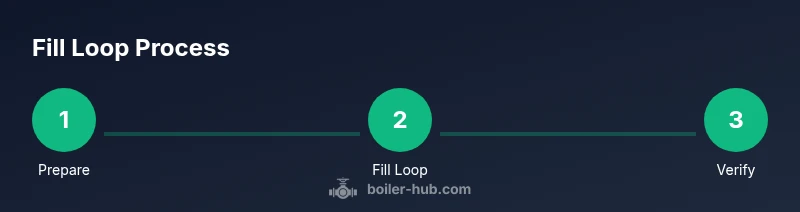
The repressurization process can be broken into preparation, connection, gradual filling, and verification. You will first ensure safety and identify the fill loop. Next, you will connect the water supply and monitor the gauge as you introduce water. Finally, you will close the loop, disconnect the supply, and run a short boiler test to confirm stable performance. This overview aligns with best practices from Boiler Hub and standard industry guidance.
Step-by-step: fill loop and repressurize (high-level)
- Prepare the area and safety gear, ensuring the boiler is off and cold. 2) Find and inspect the fill loop; confirm valve positions are correct for filling. 3) Attach the water supply to the fill loop and slowly open the valve while watching the gauge. 4) When the gauge approaches the target range, close the valve and remove the supply. 5) Reconnect power and run a heat cycle to check for leaks. 6) Bleed radiators if air pockets are present and re-check pressure. 7) Record final pressure and monitor for 24 hours. (Overview: follow step-by-step instructions in the dedicated STEP-BY-STEP block for precise actions.)
Aftercare: checks and test run
After repressurization, perform a brief test run by turning the boiler on and letting it heat up to normal cycling. Listen for unusual sounds and feel for steady radiators. Inspect joints and the fill loop connections for leaks during and after the cycle. If any leak or drift is detected, turn off the boiler and reassess the connections before continuing. Document the final readings for your records.
Maintenance to prevent future pressure loss
Regular checks help prevent future needs for repressurization. Schedule monthly visual inspections of the pressure gauge and visible piping, and bleed radiators at the start of the heating season to remove trapped air. If pressure frequently drops, it may indicate a larger issue such as a faulty expansion vessel or a slow leak; these require professional assessment. Proactive maintenance reduces emergency calls and keeps heating costs predictable.
When to call a professional
If you notice persistent pressure loss after repressurization, leaks around the fill loop, or if the boiler display shows codes you cannot resolve, contact a qualified technician. A professional can diagnose expansion vessel faults, valve wear, or pipe corrosion that a homeowner cannot safely repair. Boiler Hub recommends escalating to a pro when pressure behavior seems abnormal or recurring.
Tools & Materials
- Adjustable wrench(To loosen or tighten fittings on the fill loop)
- Flathead and Phillips screwdrivers(For panel access and securing fittings)
- Filling hose or compatible fill loop key(Needed to connect water supply to the fill loop)
- Clear water supply with compatible connector(Municipal water supply or a hose with correct adapters)
- Pressure gauge or boiler manual reference(To verify target pressure range before and after filling)
- Towels or absorbent rags(Catch drips and keep area dry)
- Personal protective equipment(Gloves and eye protection for safety)
- Bucket(Optional container for spills)
Steps
Estimated time: 30-45 minutes
- 1
Prepare and safety gear
Power down the boiler and verify it is cold. Put on gloves and eye protection. Clear a workspace, lay towels, and ensure good lighting. This reduces risk of burns and slips and prepares you to work methodically.
Tip: Double-check that the room is well-ventilated and free of clutter to avoid accidents. - 2
Shut off boiler and isolate fill loop
Turn off the boiler from the wall switch or boiler control. If your system has a separate isolation valve for the fill loop, close it first to prevent uncontrolled water flows. This gives you full control during filling.
Tip: Never open the fill loop without confirming the boiler is off and cool. - 3
Attach water supply to fill loop
Connect the water supply to the fill loop fitting. Ensure the connection is secure and leak-free before you begin. A loose connection can cause sprays and scalding water.
Tip: Use a dry rag to wipe away any moisture on fittings before sealing. - 4
Open fill valve gradually
Slowly open the fill valve and watch the boiler pressure gauge. Increase water gradually to avoid hydraulic shock. If you see rapid pressure rise, stop and investigate for possible blockages or closed radiators.
Tip: Take 15–30 seconds to observe each small adjustment; abrupt changes can harm components. - 5
Reach target pressure and close the valve
As the gauge approaches the required range, close the fill valve and disconnect the supply. Do not overshoot; over-pressurizing can damage seals and valves. Return the system to its normal state by removing the hose.
Tip: Document the final gauge reading for future reference. - 6
Reconnect power and run a short heat cycle
Restore power and set the boiler to a brief heat cycle to check for stable operation. Listen for leaks and monitor the pressure gauge during startup. A steady rise should settle within a single cycle.
Tip: If you notice slow pressure drop during the test, re-check fittings for leaks. - 7
Bleed radiators and verify final pressure
Bleed any air pockets from radiators if present after repressurization. Re-check the pressure once the system has cooled. This ensures the long-term stability of pressure and heating efficiency.
Tip: Bleed from the top-most radiators first for faster air removal.
Questions & Answers
What is a fill loop in a boiler?
A fill loop is a short water connection that lets you add water to the central heating system when pressure is low. It typically includes two valves and a hose, and it is used to raise system pressure safely.
A fill loop is a short water connection with valves used to add water to your boiler’s heating system when pressure drops.
What is the correct pressure range for repressurizing?
Most boilers have a recommended pressure range shown on the gauge or in the manual. Always aim for the range specified by your model to avoid over- or under-pressurizing.
Check your boiler manual for the exact range; it’s different for each model.
Can I use the fill loop to fix a leak?
No. Repressurizing through the fill loop is a corrective step for pressure loss, not a fix for leaks. A persistent leak requires professional diagnosis and repair.
No, the fill loop is for adding water, not repairing leaks. Get professional help for leaks.
Why does pressure drop again after repressurization?
Recurring pressure loss can indicate a slow leak, faulty expansion vessel, or air ingress. A professional should test the system to identify the root cause.
If pressure falls again after repressurizing, there’s likely a bigger issue that needs diagnosing.
Is repressurizing dangerous for homeowners?
When done properly with the boiler off and cool, repressurization is a common maintenance task. Follow safety steps and stop if you sense danger or unusual signs.
It’s generally safe if you follow the steps and keep safety in mind.
How often should I check boiler pressure?
Check the pressure gauge during the heating season and after any repressurization. Regular checks help you catch issues early and prevent emergencies.
Check pressure during the heating season and after any making adjustments.
Watch Video
Key Points
- Verify boiler off and cool before starting.
- Open fill loop gradually and monitor gauge closely.
- Check for leaks after repressurization and during test run.
- Bleed radiators to remove air pockets if needed.
- Document final pressure and call a pro if pressure keeps dropping.