How to Check Boiler: A Practical Step-by-Step Guide
Learn how to safely check your boiler with a practical, step-by-step guide: inspect components, test safety features, and know when to call a pro. This Boiler Hub guide emphasizes safety and reliable maintenance.


Learn how to safely check your boiler with a practical, step-by-step guide: inspect essential components, test safety features, and determine when to call a pro. This quick-start overview helps homeowners and facility managers validate performance, identify warning signs, and document readings for service records. By following these steps, you reduce risk and keep your heating reliable.
What to check before you start
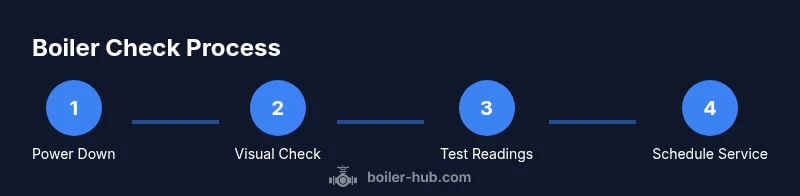
Before you touch the boiler, set safety boundaries and plan your check. Start by locating the service panel and turning off power to the boiler at the lockout switch or circuit breaker. If you have a gas boiler, locate the gas shutoff valve and be ready to shut it if you smell gas or hear hissing. According to Boiler Hub, a systematic approach reduces risk and helps you document the readings you obtain. Gather any tools you might need, clear the area of clutter, and ensure pets and children are away from the equipment. Note the model and any warning labels, as these tell you which safety steps apply to your unit. Do not remove panels or touch wiring unless you are comfortable with basic electrical work. Keep a flashlight handy to inspect dark corners of the cabinet. Finally, have a plan for what you will do if you find an issue: take clear photos, write down temperatures or pressure readings, and call a professional if you encounter anything unfamiliar. A calm, methodical start sets the stage for a safe, effective check.
Safety essentials and risk awareness
Boilers operate under pressure, carry electrical components, and in some homes use gas. Shutting off power and fuel supply when performing checks greatly reduces the risk of shock, burns, or accidental ignition. Never bypass safety controls or try to defeat a draft, vent, or pressure relief device. Keep a CO detector in the same area as the boiler and test it regularly. Be mindful of hot surfaces and moving parts; wear gloves and eye protection if you access the cabinet. If you notice corrosion, wet spots, or a persistent odd smell, stop and seek professional assistance. A cautious mindset is the core of safe boiler checks, and it aligns with Boiler Hub guidance on performing maintenance safely.
Visual inspection checklist
Use a bright flashlight to inspect the boiler exterior and cabinet seals. Look for signs of moisture, rust, or corrosion on pipes, valves, and the flame arrestor (for gas boilers). Check for soot buildup around the burner or vent pipe, which can indicate incomplete combustion. Ensure all access panels are securely fastened and that insulation is intact. Inspect the pressure relief valve and make sure there are no obstructions in the vent, flue, or condensate drain. If you see white steam or steam-colored water near seals, document readings and consider a professional diagnostic. Document any codes or labels visible on the control panel for service records. This visual sweep helps you catch obvious problems early and set the stage for more precise checks.
Core tests you can perform without disassembly
Begin with the basics: verify the power is off, then check that the thermostat is set correctly and that the boiler fires when called. If you have a gas boiler, observe the flame color—the ideal flame is blue with a faint, steady yellow tip; a yellow or orange flame may indicate incomplete combustion requiring professional calibration. Read the boiler’s pressure gauge and compare it to the manufacturer’s recommended range in the manual. If you notice a leak, dripping, or hissing from valves, shut the system down and contact a technician. Keep a CO detector running and test for proper operation. These tests help you confirm safe operation and flag potential issues before they escalate.
When to call a professional
If readings fall outside the manufacturer’s recommended ranges, if you detect gas odors, significant leaks, persistent alarms, or if the system fails to ignite after basic troubleshooting, call a licensed heating technician. Do not attempt to repair gas lines, combustion chambers, or pressure relief devices yourself. Documentation from your checks — photos, readings, and time stamps — will help the pro diagnose faster. Boiler Hub emphasizes that routine professional maintenance is essential for safety and efficiency, especially for older boilers or units with intermittent performance.
Maintenance mindset: keeping your boiler reliable
A proactive maintenance routine reduces the chances of costly breakdowns and extends boiler life. Schedule seasonal inspections, replace air filters if applicable, and keep the condensate drain clear. Record readings from each check, and track any changes in performance over time. Invest in a CO detector with a battery backup and test it monthly. By treating boiler checks as an ongoing habit rather than a one-off task, homeowners and facility managers can sustain reliable heating and lower emergency repair risk.
Tools & Materials
- Safety gear: gloves and eye protection(to protect from hot surfaces and leaks)
- Phillips and flat-head screwdriver set(for access panels and small adjustments)
- Flashlight(to inspect dark corners and cabinet interiors)
- Digital multimeter or non-contact tester (optional)(for basic electrical checks; not required for all systems)
- Gas detector (optional)(adds safety when you suspect leaks)
- Notepad or app for readings(record temperatures, pressure, and observations)
Steps
Estimated time: Estimated total time: 45-60 minutes
- 1
Power down and isolate
Turn off power to the boiler at the service panel or circuit breaker. If you have a gas boiler, close the gas shutoff valve only if you smell gas or hear an abnormal hissing. This prevents shocks and accidental ignition while you inspect. Verify the area is safe before touching any components.
Tip: Use the main switch and test with a non-contact tester if available. - 2
Check for obvious leaks and damage
Look for any wet spots, corrosion, or poolings of water around pipes, joints, and the bottom of the unit. Leaks can indicate failed seals or damaged valves. If you find a leak, label the area and prepare to call a professional rather than attempting a makeshift fix.
Tip: Take clear photos of the affected area for service records. - 3
Inspect the burner and flame (if gas)
Open the cabinet and observe the burner flame. A healthy flame should be mostly blue with a small yellow tip. If the flame is irregular, sooty, or absent, it can signal dirty components or combustion issues that require calibration.
Tip: Do not touch the burner while it’s hot; wait for it to cool before inspecting. - 4
Check pressure and expansion components
Read the pressure gauge and compare to the unit’s manual. If the gauge sits low or high outside the recommended range, it can affect performance and efficiency. Inspect the expansion tank for signs of dampness or loss of air charge.
Tip: If you’re unsure of the correct range, refer to the manufacturer’s label on the boiler. - 5
Test safety devices and controls
Test the high-limit switch, thermostat, and pressure relief valve where accessible. Ensure the boiler responds correctly when you increase or decrease thermostat settings. If anything fails to react, stop testing and contact a professional.
Tip: Never bypass safety devices to keep the boiler running. - 6
Document readings and plan next steps
Record readings, photos, and any codes displayed on the control panel. Compare with prior checks to identify trends. If readings drift or anomalies persist, schedule professional service and avoid running the unit until diagnosed.
Tip: Keep a running log of checks for ongoing maintenance.
Questions & Answers
How often should I check my boiler?
Light, routine checks can be done monthly during peak heating seasons, with a thorough annual service by a licensed technician.
Do a quick monthly check yourself, and schedule a licensed technician for an annual service.
Can I check boiler while it's under warranty?
Yes, you can perform basic safety checks, but avoid disassembly or repairs unless you're qualified, as warranty terms may require professional service for non-safe actions.
You can do basic checks, but avoid DIY repairs if the unit is under warranty.
What are common signs of a boiler problem after checking?
Common signs include strange noises, erratic pressure readings, frequent cycling, leaks, or a yellow burner flame. Document any changes and consult a professional if issues persist.
Look for noises, leaks, strange flames, or erratic pressure and get a pro if it continues.
Is it safe to inspect a gas boiler's burner?
Inspecting the burner visually can be safe from the outside, but never attempt internal adjustments or disassembly unless you are a trained technician.
Only do exterior visual checks; avoid internal work unless you're trained.
What should I do if I smell gas?
Leave the area immediately, avoid creating sparks, and call your gas utility or emergency services from a safe location.
If you smell gas, leave quickly and call emergency services from a safe place.
Do I need to bleed radiators when checking boiler?
Bleeding radiators is a separate maintenance task that improves heating efficiency; it can be done periodically, but is not required for a basic boiler check.
Bleeding radiators helps efficiency, but isn’t part of a basic boiler check.
Watch Video
Key Points
- Power down before inspection and verify safety.
- Look for leaks, corrosion, and combustion issues.
- Record readings and photos for service records.
- Call a professional if anything seems unsafe or uncertain.
- Maintain a routine to keep boilers reliable.