How to Adjust Boiler Temperature: A Practical Guide
Learn how to adjust boiler temperature safely and effectively with a step-by-step approach. This guide from Boiler Hub covers controls, safety, testing, and maintenance to improve comfort and energy savings.


This guide explains how to adjust boiler temperature safely. You will learn how to adjust boiler temperature, locate the control panel, set the correct target range, and test system response. Always follow safety steps, shut off power when required, and consult Boiler Hub for persistent issues. This approach minimizes overheating and cold spots while preserving efficiency.
Why Temperature Management Matters
Maintaining the right boiler temperature is a core part of home comfort and energy efficiency. When you know how to adjust boiler temperature responsibly, you reduce energy waste, minimize hot and cold spots, and extend the life of your boiler and radiators. The Boiler Hub team emphasizes that this balance is about steady, small adjustments rather than dramatic shifts. Temperature control affects how quickly rooms heat, how evenly warmth is distributed, and how much wear the system endures over the heating season. By understanding the fundamentals and following a methodical process, homeowners can achieve reliable comfort without risking safety or equipment damage. This section outlines the key reasons to care about temperature settings and how a deliberate approach yields consistent results over time.
Understanding Boiler Controls and Terminology
Boiler systems use several interconnected controls that determine how hot the water gets and how it circulates. The setpoint is the target temperature you want the boiler to maintain, while the actual temperature is what the boiler is delivering at any moment. Some systems include an outdoor reset, which adjusts the indoor temperature target based on outdoor conditions. A mixing valve or tempering valve can blend hot water to reach a safer domestic hot water temperature. Familiarize yourself with terms like target temperature, differential, and boiler cycling to avoid confusion when reading the manual or adjusting settings. Clear labeling on the control panel is your friend when you learn how to adjust boiler temperature accurately.
Determining the Right Temperature Range for Comfort and Efficiency
The ideal range depends on your home, boiler type, and climate. A well-chosen setpoint should deliver comfortable indoor temperatures while minimizing energy use. In general, start from a baseline that aligns with how you experience space heating and hot water availability, and then verify by observation over a full heating cycle. Avoid sudden, large changes; instead, adjust gradually and monitor the impact on room temperature, system run time, and domestic hot water delivery. This approach helps balance comfort with efficiency without overworking the boiler.
Safety First: Prerequisites Before You Touch the Boiler
Before touching any boiler controls, ensure that you understand the potential risks. Turn off power to the boiler at the breaker or switch, and if your system is gas-fired, confirm that the gas valve is in the safe position. Keep extinguishers and working carbon monoxide detectors installed, and never work on the boiler while there is pressure or water in the system. Wear protective gloves and eye protection as needed. If you smell gas, hear unusual noises, or notice water leaks, stop and contact a professional. Following these safety steps is crucial to avoid injury and damage.
Accessing the Thermostat and Control Panel
Locate the thermostat or boiler control module. On many residential boilers, the primary controls are behind a panel on the boiler or integrated into a wall-mounted thermostat. If access requires removing a cover, use the correct screwdriver and disconnect power first. Take a quick photo of the original settings before making changes so you can revert if needed. If your boiler has a digital display, read the current setpoint and note any labels that indicate “temperature,” “setpoint,” or “limit.” Understanding where these controls live makes the next steps straightforward.
Step-by-Step Overview: How to Adjust Boiler Temperature (High-Level)
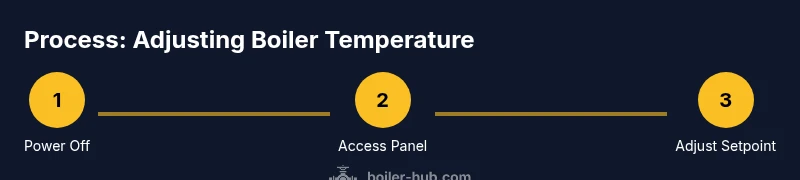
To adjust boiler temperature, you will assess the current setpoint, decide on a modest change, and observe the effects. Start by verifying safety, then locate the setpoint control, and make a small adjustment (a degree or two, depending on your system). After adjusting, restore power, run the boiler, and monitor how quickly rooms warm and whether hot water timing changes. This overview aligns with the detailed step-by-step instructions that follow and is designed to minimize risk while improving comfort and efficiency. The goal is steady improvement rather than dramatic, unpredictable swings.
Testing, Verification, and Fine-Tuning
Allow the system to operate for at least one entire heating cycle after any change. Observe room temperatures in several areas and check the domestic hot water temperature if you have a combined system. If noticeable overheating occurs or rooms remain cold, adjust gradually in smaller increments and re-test. Record the results and compare them to your comfort goals and energy use. Fine-tuning may require several iterations over a few days to find the optimal balance for your home.
Common Mistakes and Troubleshooting
A frequent error is making large temperature changes too quickly, which can cause uneven heating or cycling. Another issue is ignoring safety warnings or bypassing the power shutoff when adjusting controls. If the boiler seems to run constantly or fails to heat water adequately, recheck setpoints, differential, and the status of the thermostat. If you observe persistent problems, consult the manual or contact a licensed technician. Documenting changes helps you backtrack if results are unfavorable.
Maintenance Tips to Keep Temperature Stable Throughout the Year
Seasonal changes can affect how your boiler responds to setpoint changes. Schedule annual maintenance, including vent cleaning, valve inspection, and thermostat calibration if applicable. Bleed radiators in hydronic systems to ensure even heat distribution. Keep the area around the boiler clear and free of obstruction to improve efficiency and safety. A well-maintained system is less likely to need aggressive temperature adjustments and more likely to deliver consistent warmth.
When to Call a Professional
If you are uncomfortable with electrical or gas components, or if changes do not produce expected results after careful testing, it is prudent to call a professional. A certified technician can verify that controls, safety devices, and venting are functioning correctly and can diagnose issues that require specialized tools. Boiler Hub recommends professional evaluation when there is doubt about safety or system integrity, especially in homes with older equipment or complex hydronic networks.
Tools & Materials
- Screwdriver set (Phillips #2 and flathead)(Essential for panel screws or adjusting small dials)
- Owner's manual or model-specific guide(Contains safe setpoint ranges and wiring diagrams)
- Non-contact voltage tester(Verify power is off before touching conductors)
- Safety gloves(Protect hands when handling hot components)
- Safety goggles(Eye protection during panel work)
- Digital or infrared thermometer(Helpful for quick surface temperature checks)
- Notebook or digital device(Record setpoints and results for future reference)
Steps
Estimated time: 45-60 minutes
- 1
Power off and safety check
Begin by turning off the boiler at the power switch or circuit breaker. If your system is gas-fired, ensure the gas supply valve is closed. Confirm no live voltage with a tester, and wear protective gloves. This ensures you won’t be exposed to electrical hazards during adjustments.
Tip: Always double-check that power is off before touching any electrical connections. - 2
Locate the thermostat/control panel
Open the access panel and locate the main setpoint control. If your boiler uses a wall thermostat, identify whether you’re adjusting the boiler’s internal setpoint or a separate thermostat. Take a photo of the original settings for reference.
Tip: If the panel is stubborn, refer to the manual for exact panel labels and safety instructions. - 3
Read current setpoint and ranges
Read the current target temperature and note any differential or safety limits listed in the manual. Decide the initial adjustment amount based on comfort gaps and energy goals—keep increments small (1–2 degrees where possible).
Tip: Use the manual’s recommended range as a guardrail to avoid unsafe settings. - 4
Adjust in small increments
Make a modest adjustment to the setpoint and record the new value. If your system uses a remote sensor, adjust the local control to influence the overall network setpoint rather than individual zones.
Tip: Avoid large swings; small changes yield predictable results. - 5
Restore power and run a test cycle
Power the boiler back on and run a complete heating cycle. Observe how quickly spaces heat up and whether domestic hot water timing changes. Do not rely on a single room to judge performance; check multiple areas.
Tip: Watch for rapid cycling or overheating indicators during initial testing. - 6
Evaluate results and adjust again if needed
After a full cycle, reassess comfort and efficiency. If rooms are still too cold or too hot, repeat small adjustments and re-test. Avoid chasing a perfect readout in a single cycle; seasonal changes require gradual tuning.
Tip: Keep a log of changes and outcomes to guide future tweaks. - 7
Document changes
Record the final setpoint, differential, and any notes about comfort and energy. This provides a baseline for future seasons and helps technicians understand history if you need professional help.
Tip: A simple table or app note works well for tracking. - 8
Consider maintenance or professional review
If adjustments don’t deliver expected comfort or efficiency, or if you notice unusual operation, schedule a maintenance check or contact a licensed technician. A professional assessment ensures safe, reliable operation.
Tip: Some issues require specialized diagnostics beyond routine adjustments.
Questions & Answers
Is it safe to adjust boiler temperature myself?
Yes, with proper precautions. Always shut off power, verify there are no leaks, and follow the manual guidelines. If you’re unsure, consult a professional to avoid safety risks.
Yes, you can adjust it yourself if you follow safety steps and the manual, but don’t hesitate to call a professional if anything feels risky.
What should I check before changing the temperature?
Review the manual for safe setpoint ranges, inspect for leaks, and ensure carbon monoxide detectors are functioning. Have basic hand tools ready and confirm power is off before touching controls.
Check the manual for safe ranges, look for leaks, and verify detectors are working before you start.
Can adjusting temperature help with energy efficiency?
Modest adjustments often improve comfort while reducing energy waste. The balance depends on your home layout and equipment, so test gradually and monitor energy use over time.
Small, careful adjustments can boost comfort and save energy, but measure the impact over several days.
What should I do if the boiler is overheating after changes?
Return to the previous safe setting and re-check the setpoint and differential. If overheating continues, shut down and contact a professional to avoid damage or safety hazards.
If overheating happens, revert changes and seek professional help if it keeps happening.
How often should I adjust boiler temperature?
Only adjust when comfort or performance is clearly off. Seasonal changes or after maintenance may require small tweaks rather than routine daily changes.
Adjust only when needed—seasonal checks are usually enough to keep things balanced.
Is there a difference between adjusting for space heating and hot water?
Yes. Temperature settings can affect space heating and domestic hot water differently. Use the manual guidance for each mode and adjust with attention to how each system responds.
Space heating and hot water can respond differently; tailor changes to each system and test.
Watch Video
Key Points
- Identify the boiler’s safe operating range before adjusting.
- Make small, incremental changes and monitor results.
- Test across multiple rooms and verify hot water impact.
- Document changes for future reference and maintenance.
- Seek professional help if safety or performance concerns arise.