Mastering Boiler Controls: A Step-by-Step Guide
A practical, expert guide from Boiler Hub on selecting, installing, and tuning boiler controls to boost efficiency, comfort, and reliability. Learn about thermostat, outdoor reset, safety limits, and smart options with step-by-step instructions and safety reminders.


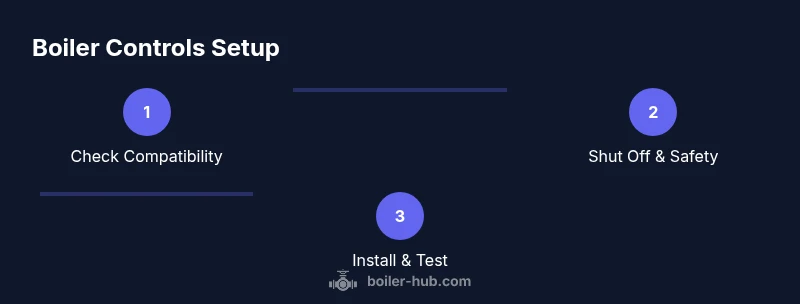
This guide helps homeowners and facility managers install and optimize boiler controls to boost efficiency and comfort. You'll learn about thermostat, outdoor reset, and safety-limit controls, plus wiring basics and compatibility checks. According to Boiler Hub, properly configured controls reduce cycling and energy waste. Start with a compatible control kit and essential tools, then follow a step-by-step process to tune your boiler system.
Understanding Boiler Controls: What They Do
Boiler controls are the brains of your heating system. They determine when the burner fires, what water temperature to maintain, how to respond to indoor and outdoor conditions, and how to protect the system from hazardous conditions. At a high level, controls coordinate ignition, fuel flow, circulator operation, and safety interlocks to keep your home comfortable without wasting energy. According to Boiler Hub, modern boiler controls can significantly improve system responsiveness and reduce unnecessary cycling when configured correctly. Understanding the core functions — setpoint regulation, system feedback, and sequencing — helps homeowners and facility managers make informed decisions about upgrades or replacements. In practice, you’ll interact with several control layers: room thermostats or setpoint inputs, outdoor reset or weather compensation, safety limits, and, for advanced systems, modulating valves or staged burners. Getting to grips with these layers sets the foundation for safer, more efficient operation.
A well-chosen control strategy aligns with your boiler type (gas, oil, or electric), your home’s load profile, and any zoning or radiant heating you have. It’s not just about lowering the water temperature; it’s about delivering the right temperature at the right time, which minimizes heat loss, reduces standby energy, and keeps rooms evenly comfortable. For larger facilities, automated control schemes may integrate with building management systems. Boiler Hub Analysis, 2026 emphasizes that the best outcomes come from a clearly defined control objective (comfort, efficiency, or reliability) and a plan to verify performance after installation. The result is steadier temperatures, fewer callbacks, and a more predictable energy bill.
Common Types of Boiler Controls
Boiler controls come in a variety of configurations, from simple on/off thermostats to sophisticated, fully modulating systems. The choice depends on your boiler’s design, fuel, and whether you plan to zone areas or integrate with a smart home. The most common categories include standalone thermostats (digital or mercury-based), outdoor reset or weather-compensation controls, high-limit safety devices, and modulating controls that adjust burner firing rate in response to demand. Some controls are built-in to the boiler, while others are add-on modules that connect to third-party thermostats or home automation hubs. When selecting controls, verify compatibility with your boiler’s control module and junction box, and confirm whether wiring diagrams and commissioning procedures are provided by the manufacturer. A well-matched control system reduces short cycling, extends equipment life, and improves occupant comfort. Boiler Hub’s guidance highlights the importance of checking wiring compatibility and calibration ranges before committing to a purchase. The right mix of controls can support efficient operation across changing weather and occupancy patterns, especially in homes with older boilers that lack modern modulation.
Thermostats come in standard, programmable, and smart varieties. Outdoor reset controls vary water temperature based on outside air temperature, which helps balance energy use with demand. High-limit and back-up safety controls provide a fail-safe if a sensor or actuator fails, protecting equipment and occupants. For multi-zone homes, zone control valves and individual thermostats enable targeted heating, preventing heat from being wasted in unused spaces. In all cases, plan for maintenance and periodic recalibration to maintain accuracy and reliability. For guidance on the latest best practices, see resources from Energy.gov and ASME, which inform best-practice applications for boiler controls.
Brand note: The Boiler Hub team recommends validating any new control configuration on a non-critical cycle first, then monitoring for several cycles to ensure stability and comfort before finishing the commissioning.
How Boiler Controls Impact Efficiency and Comfort
The efficiency impact of boiler controls comes from precise water temperature management, reduction of cycling, and improved heat distribution. When a thermostat calls for heat, the control sequence should ignite the burner, bring the water to the target setpoint, and circulate it through the system with minimal overshoot. If the water temperature is too high, you waste energy and risk overheating spaces; if it’s too low, you may not meet comfort needs. Outdoor reset strategies optimize energy use by adjusting boiler water temperature in response to outdoor conditions, enabling lower temperatures on milder days while preserving heating capacity on cold days. Weather-compensation logic can further refine performance by predicting loads rather than reacting to a single sensor input. Modern controls that include modulation reduce burnout and fuel usage by keeping the burner firing at just the right rate for current demand. In practice, homeowners who implement these strategies notice steadier indoor temperatures and a more even heat distribution across rooms.
From Boiler Hub’s perspective, effective control configurations also reduce wear on pumps and valves, which translates into lower maintenance costs and longer equipment life. However, it’s important to calibrate the system according to boiler type and manufacturer guidelines. Misconfigurations can cause short cycling, overheating, or unreliable ignition. A thoughtful installation plan, aligned with manufacturer instructions, yields tangible benefits in comfort, energy savings, and reliability. Remember to document setpoints and sensor locations so future technicians can reproduce the results and avoid regressions during service visits.
Troubleshooting Common Control Issues
Even well-chosen boiler controls can encounter hiccups. Common symptoms include erratic temperatures, cycling on and off too quickly, a failure to ignite, or error codes on the control panel. Start with the basics: ensure power and gas supply are steady, verify that the thermostat is calling for heat, and confirm the wiring connections match the control diagram. A loose wire or corroded terminal can mimic sensor failures. If there’s an ignition issue, check the glow plug or electronic spark; listen for a clicking sound indicating the control is attempting to start the burner. Sensor faults (temperature or pressure) often present as inconsistent readings; testing sensors with a multimeter or by comparing readings to room/adiabatic conditions can help identify faulty components.
Boiler Hub’s approach to troubleshooting emphasizes a systematic method: isolate subsystems, test in known states, and avoid guessing about sensor values. When the outdoor reset sensor reads a misleading temperature, outdoor compensation becomes skewed, leading to inefficient operation. In multi-zone systems, mismatched zone controllers or malfunctioning zone valves can create hot or cold spots. If a control board shows persistent fault codes, consult the manufacturer’s service bulletin and any available firmware updates. If in doubt, consult a licensed technician; electrical and gas work carries safety risks that require professional attention. Regular checks of venting health, condensate drainage, and intake air quality help prevent safety issues and improve long-term performance.
How to Choose the Right Boiler Controls for Your System
Choosing the right controls begins with understanding your boiler’s design and your performance goals. For older boilers with limited modulation, a capable thermostat and a simple outdoor reset can yield noticeable gains without a full replacement. If you have a modulating or condensing boiler, you’ll benefit from a control system that can fully modulate fuel delivery and maintain an efficient water temperature profile. Consider whether you want to add zoning to improve comfort and reduce waste in unused spaces. Compatibility with existing wiring, control panels, and sensors is essential, as is access to commissioning instructions and support from the manufacturer. Smart controls offer convenience, data, and remote access, but they require a reliable internet connection and an understanding of cybersecurity best practices. Boiler Hub emphasizes selecting controls that align with your system’s load characteristics and climate; a mismatched setup can be less effective or even counterproductive. In many cases, a professional assessment helps validate the best configuration for your home or facility.
When evaluating options, pay attention to the control’s sensing accuracy, the rate of temperature change, and the ability to maintain comfort at the boundary between rooms. A well-chosen control will deliver stable temperatures with minimal overshoot, reduce energy consumption, and extend the life of the boiler and circulators. Document the chosen settings, sensor locations, and wiring diagrams; this documentation makes future maintenance simpler and safer. Finally, ensure that the selected controls are supported by credible sources and industry guidelines from organizations such as Energy.gov and ASME, which provide objective standards for safe and efficient boiler operation.
Brand note: Boiler Hub recommends comparing several control options, including both legacy and smart devices, to determine which best suits your boiler type, local climate, and comfort priorities. A structured evaluation reduces the risk of overpaying for features you won’t use and helps you achieve consistent results over the system’s life.
Installation and Safety Considerations
Installation of boiler controls involves both electrical and mechanical work, and safety should be the top priority. Always start by shutting off electrical power and closing the gas supply to the boiler, following lockout-tagout procedures. Verify that the area has adequate ventilation and a functioning carbon monoxide detector. Read the manufacturer’s installation manual before beginning any wiring or component replacement, and ensure the control’s voltage, heat output, and sensor types match your boiler and piping layout. If possible, practice on a non-critical cycle to confirm that ignition, flame sensing, and extinguishing mechanisms operate correctly. For complex systems or high-energy installations, hiring a licensed technician is strongly advised. They can ensure proper venting, condensate drainage, combustion air supply, and compliance with local codes.
During wiring, keep wires organized and insulated, and label each connection with the corresponding control terminal. Use the correct gauge wires and avoid over-tightening terminals to prevent damage. After installation, perform a controlled startup sequence and monitor burner operation, ignition timing, flame sensor feedback, and water temperature response. If anything feels abnormal or unsafe, stop and seek professional help. Proper installation reduces the risk of gas leaks, electrical shocks, or equipment damage and improves long-term performance.
Boiler Hub’s guidance underscores that thorough testing is essential before returning to full service, including verifying temperature setpoints, safety limits, and alarm indications. Document all steps and outcomes so future service visits can be efficient and effective.
Maintenance and Upkeep for Long-Term Reliability
Regular maintenance is essential to sustain the benefits of modern boiler controls. Schedule at least an annual inspection to check wiring, sensor calibration, and safety devices. Clean or replace air and vent openings as needed to maintain proper combustion and venting efficiency. Firmware or software updates for smart controls should be installed according to the manufacturer’s recommendations to preserve security and compatibility with other devices in your home network. Periodically review thermostat schedules and setpoints to ensure they still meet your heating needs as the seasons change. If you have zone controls, confirm that zone valves operate properly under different loads and that each zone maintains a comfortable temperature without overheating adjacent spaces. Keeping good records of service visits, setpoints, sensor readings, and test results helps technicians diagnose issues quickly and keeps your system functioning at peak efficiency.
From a reliability perspective, steady operation reduces the risk of sudden failures during peak demand. Boiler Hub’s ongoing analysis suggests that a proactive approach to maintenance, including sensor checks and calibration, contributes to more predictable energy usage and fewer emergency repairs. If you notice unexplained temperature swings, contact a professional to verify whether sensors, wiring, or control firmware require adjustment. With thoughtful upkeep, boiler controls deliver consistent comfort and promote long-term energy savings.
Smart vs Legacy Controls: Pros and Cons
Smart boiler controls offer remote access, real-time performance data, and potential integration with home automation or energy-management systems. They enable flexible scheduling, learning capabilities, and alerts that help you react quickly to unusual conditions. The downside is the need for reliable internet access, potential cybersecurity concerns, and ongoing firmware updates. Legacy controls, while less flashy, are often simpler, robust, and easier to diagnose with traditional test equipment. They may be cheaper upfront and require less ongoing maintenance, but they lack the advanced diagnostics and remote control features that offer long-term convenience and energy savings. Your choice should reflect how much value you place on remote monitoring, data visibility, and automatic optimization versus straightforward reliability and local control. Boiler Hub notes that for many homes, a hybrid approach—keeping a reliable baseline legacy control with a smart interface for scheduling—can provide the best balance of reliability and modern functionality.
When integrating smart controls, ensure compatibility with your boiler’s communication protocol, confirm proper network configuration, and establish security measures. If security or privacy concerns exist, you may prefer a non-networked control with local programming. The key takeaway is to assess your heating needs, occupancy patterns, and maintenance capacity before committing to a major control overhaul. A measured approach helps avoid over-investment and ensures you receive meaningful performance improvements.
Real-World Case Studies: Saving with Proper Controls
In two recent residential projects, homeowners implemented targeted control upgrades and saw noticeable improvements in comfort and energy use. In the first case, a mid-century boiler with outdoor reset and a programmable thermostat delivered steadier room temperatures and reduced cycling, resulting in a more comfortable home with less temperature drift across rooms. In the second case, a small apartment building added zone controls and a weather-compensated boiler curve, which allowed each unit to maintain its own comfortable setpoint while minimizing heat waste in unoccupied spaces. In both scenarios, the Boiler Hub team observed that careful calibration of setpoints, sensor placement, and proper commissioning were essential to achieving the best results. While the specifics of installation vary by system, the common thread is that a deliberate, well-documented approach to controls yields better efficiency, reduced energy costs, and improved occupant comfort over time.
Tools & Materials
- Multimeter (digital)(Voltage, resistance, and sensor signal checks)
- Screwdriver set (Phillips and flathead)(Access and secure control panels)
- Boiler manufacturer's service manual(Wiring diagrams and safety instructions)
- Wire stripper/pliers(Prepare and terminate thermostat wires)
- Smart thermostat or control hub (optional)(Upgrade path for smart controls)
- Outdoor temperature sensor (separate if needed)(Outdoor reset requires sensor location)
- Digital manometer or pressure gauge (optional)(Check system pressure if needed)
- Gas detector and safety gear (gloves/eye protection)(Safety first)
- Notebook and pen(Document wiring and settings)
Steps
Estimated time: 2-4 hours
- 1
Verify compatibility and gather tools
Check boiler model, control compatibility, and available wiring. Gather tools and confirm the work area is ready for service, including safety gear and a clean workspace. This preparation reduces surprises during installation and helps ensure a smooth setup.
Tip: Label or photograph wiring before disconnecting any components to ease reassembly. - 2
Shut off power and gas to the boiler
Turn off electrical power at the main breaker and close the gas valve. Confirm there is no ignition source present and verify no pressure is building in the system before touching any wiring or sensors.
Tip: Use a gas detector to double-check for leaks in the immediate area before starting. - 3
Access the control panel and remove old components
Open the control panel, disconnect existing thermostat wires, and document their terminal locations. Remove any old sensors or modules that will be replaced by the new control system.
Tip: Take photos of wiring terminal labels and note any color-coding to prevent miswiring. - 4
Install the new thermostat/control module
Mount the new control module as per the manufacturer’s instructions. Connect the wires to the corresponding terminals, ensuring secure connections and correct wire gauge.
Tip: Double-check polarity and terminal labeling before powering the unit. - 5
Configure outdoor reset or weather compensation
If using outdoor reset, set the outdoor sensor and input the target design temperature range. Program weather compensation if supported by the controller to optimize efficiency across seasons.
Tip: Reference your climate zone and boiler load profile when selecting reset parameters. - 6
Set safety limits and modulating parameters
Enable high-limit safety controls and configure modulation ranges for boilers that support modulation. Do not bypass safety devices; ensure the system returns to safe operation after cycles.
Tip: Record the target temperatures and modulation range for future service visits. - 7
Power up the boiler and perform a quick test
Restore power and ignite the boiler. Observe ignition, flame stability, sensor feedback, and initial water temperature rise. Check for abnormal noises or gas smells.
Tip: Monitor the first few cycles closely for at least 20 minutes after startup. - 8
Fine-tune and document the settings
Adjust setpoints, reset curves, and sensor calibrations as needed to achieve stable temperatures and comfortable comfort levels. Document all settings and wiring diagrams for maintenance references.
Tip: Create a one-page summary with diagrams for quick future reference.
Questions & Answers
What are boiler controls?
Boiler controls coordinate ignition, flame modulation, water temperature, and safety interlocks to regulate heating. They can be simple thermostats or advanced modulators that adjust output based on demand. Understanding these elements helps you select and tune the right system for performance and comfort.
Boiler controls regulate when the boiler fires, how hot the water is, and ensure safe operation. They range from simple thermostats to advanced modulators.
Do I need a professional to install boiler controls?
Installation can involve electrical, gas, and combustion safety considerations. If you’re not confident with wiring or gas connections, hiring a licensed technician is recommended to ensure proper setup and compliance with local codes.
If you’re unsure about wiring or gas connections, hire a licensed technician to install boiler controls safely.
What is outdoor reset control and how does it work?
Outdoor reset adjusts the boiler water temperature in relation to outdoor temperatures, which helps reduce energy use while maintaining comfort. It can significantly improve efficiency in variable weather by lowering temperature when it’s mild and increasing it on cold days.
Outdoor reset lowers water temperature on warm days and raises it on cold days, saving energy while keeping you warm.
Why is my boiler not turning on after installing new controls?
Check power supply, gas flow, and base wiring. Verify sensor readings at startup and confirm that safety limits aren’t tripped. If the burner fails to ignite after these checks, there may be an ignition issue or wiring fault requiring professional diagnosis.
If it won’t start, first check power, gas, and wiring. If it still won’t ignite, a professional should diagnose ignition or sensor problems.
Can I use a smart thermostat with a boiler?
Yes, many boilers support smart thermostats, which offer remote control and data insights. Ensure compatibility with your boiler’s control interface and plan for network security and backup heating plans in case of connectivity loss.
Smart thermostats can work with boilers if compatible. Just mind network security and backup heating if the connection drops.
Watch Video
Key Points
- Confirm compatibility before purchasing controls.
- Install safely with manufacturer guidelines and proper shutdown procedures.
- Tune outdoor reset and modulation to maximize efficiency.
- Test thoroughly and document all settings for future maintenance.
- Regular maintenance preserves performance and comfort.