Denver Boiler Repair: Troubleshooting Guide for Homeowners
Learn practical, safe boiler repair guidance for Denver homeowners and facility managers. This step-by-step guide covers safety checks, common Denver-specific issues, and when to call a professional from Boiler Hub.


This guide helps Denver homeowners repair common boiler faults safely and effectively. You’ll learn how to shut off power and gas, inspect for leaks, check pressure and thermostat operation, and determine when to call a professional. The steps apply to typical Denver climates and emphasize safety, code compliance, and practical troubleshooting.
Why boiler repair in Denver matters
In Colorado’s Denver metro area, boilers are a reliable source of heat during long winters, and a well-maintained system helps keep energy costs predictable. The Boiler Hub team emphasizes that timely diagnostics, routine maintenance, and prompt repairs reduce the risk of sudden outages and dangerous leaks. Local climate, housing stock, and aging equipment all influence failure modes, so knowing what to look for is essential for homeowners and facility managers alike. By understanding how boilers fail, you can intervene safely and minimize downtime while staying compliant with local codes. This article, inspired by Boiler Hub Analysis, 2026, aims to empower readers with practical, non-technical guidance that still respects professional limits.
Safety first: essential precautions before you begin
Safety is non negotiable when working with boilers. Before you touch any controls, verify there is no gas smell and power is shut off at both the boiler and the main switch. Install functioning carbon monoxide detectors in the area and keep a fire extinguisher accessible. Do not operate a boiler that hums, rattles, or emits unusual noises while running. If you observe damp or corroded wiring, or if you feel dizzy near the equipment, evacuate and seek help. These precautions protect you and anyone else in the building while you assess potential issues.
Understanding Denver boiler issues common to the climate
Denver-area boilers commonly show signs such as inconsistent heat, low pressure, frequent cycling, or burner ignition problems. Leaks from joints or the pressure relief valve are frequent culprits, as are thermostat misreads and blocked vents. In older homes, insulation gaps, air leaks, and drafty piping can exacerbate problems. A systematic check of controls, seals, and the heat exchanger can help identify root causes without disassembling major components. Use this understanding to guide safe troubleshooting or to brief a technician.
Tools, safety gear, and a baseline inspection checklist
A solid baseline includes a basic toolset, a CO detector, a flashlight, and a note pad for documenting observations. Begin with a quick exterior inspection for rust, condensation, or corrosion on pipes and junctions. Inside, verify the boiler area is clean and dry, panels are securely fastened, and ignition attempts are logged. Keep a record of error codes, unusual noises, and any recent work. This information speeds up diagnostics when a professional is needed.
Step-by-step troubleshooting overview (high-level)
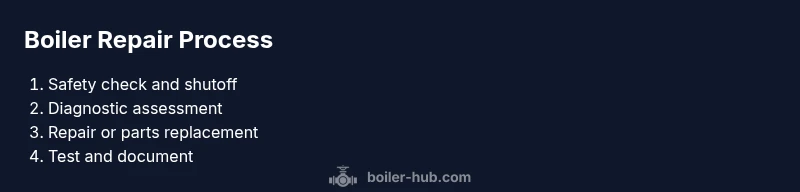
Denver boiler systems require careful inspection and cautious testing. Start by confirming service mode and safety devices are active, then check pressure, temperature readings, and ignition status. If readings are off, reset within manufacturer guidelines and isolate the boiler from other heat sources to avoid unsafe cross-talk. Document all changes and be prepared to call a professional for persistent anomalies or gas-related concerns. This overview helps homeowners make informed decisions and reduces the chances of misdiagnosis.
When to call a professional and what to expect
If you detect a gas odor, hissing from valves, or CO detectors alarm, exit the building immediately and call emergency services. For vibrations, loud banging, or leaks that persist after basic checks, a licensed boiler technician should intervene. Expect a technician to verify gas supply, check venting, inspect seals, test pressure, and determine whether components should be repaired or replaced. Clear communication about observations will help the technician work quickly and safely.
Maintenance to prevent future failures
Preventive maintenance reduces the likelihood of emergency calls. Schedule annual service, replace worn gaskets, ensure proper venting, and test safety devices regularly. Keep thermostat settings consistent and avoid abrupt temperature changes that stress components. Regularly check for mineral buildup or sediment, and consider a professional flushing if the system hasn’t been serviced in a while. A proactive approach saves money and extends the boiler’s life.
Denver-specific considerations: permits, energy codes, and rebates
Denver and nearby jurisdictions have specific building codes and energy-efficiency requirements. When planning replacements or major repairs, verify that permits and inspections are completed according to local codes. Explore energy-saving options such as weatherization and high-efficiency boilers, which can yield long-term savings. Staying compliant with code and taking advantage of available incentives helps protect your investment and improve comfort during Colorado winters.
Documentation and how to work with your technician
Create a concise summary of symptoms, dates of onset, and steps you’ve taken. Include pressure readings, thermostat behavior, and the last service date. When you hire a pro, share this information to speed diagnostics. After service, request a clear written report detailing parts replaced, warranties, and recommended next steps. This saves time and clarifies maintenance needs for future visits.
Common myths and practical realities
Common myths include the belief that every leak means a costly overhaul or that more heat equals better performance. In reality, leaks may be minor, and thermostat adjustments can restore comfort without extensive work. Another myth is that all gas boilers are equally risky; while safety concerns exist, proper maintenance and venting significantly mitigate risk. Understanding the practical limits of DIY fixes helps you avoid unnecessary costs and unsafe experimentation.
AUTHORITY SOURCES
- https://www.energy.gov/energysaver/boilers
- https://www.osha.gov/boilers
- https://www.nist.gov
Tools & Materials
- Adjustable wrench(Flat-jaw or crescent-style, 6-10 inch range for most valves and fittings)
- Screwdriver set (Phillips and flathead)(Flat and Phillips heads; include a precision set for small screws)
- Multimeter or volt-Ohm meter(For safe electrical checks and voltage testing on controls)
- Gas leak detector(Standalone CO detector plus a gas detector with battery backup)
- Flashlight(Bright LED with spare batteries for dark access panels)
- Towel or absorbent rags(Contain small spills and protect surfaces)
- Bucket and rubber gloves(For catching drips and keeping hands clean)
- Leak sealant or thread sealant tape(Only for approved, minor sealing tasks by a pro’s guidance)
- OWNER’S manual and model numbers(Keep on hand for specifications and safety cautions)
Steps
Estimated time: 1-3 hours
- 1
Power and gas shutoff
Begin by turning off the boiler’s power at the switch and then shut off the gas at the manual valve if you can do so safely. This prevents unintentional ignition or gas release while you inspect. Do not work on a live gas line.
Tip: If you smell gas, leave the area immediately and call emergency services. - 2
Safety verification
Check that CO detectors are active and positioned correctly around the boiler area. Ensure access to a well-ventilated space and remove any combustibles near the boiler. This helps prevent hazardous exposure during inspection.
Tip: Keep a safe distance from moving parts and wear gloves and eye protection. - 3
Visual inspection of components
Remove access panels and inspect for obvious issues: corrosion, wetness, loose connections, and damaged seals. Look for signs of mineral buildup on the heat exchanger or burner assembly, which can reduce efficiency.
Tip: Take photos of any suspect areas to share with a technician. - 4
Pressure and thermostat checks
If your boiler uses a pressure gauge, compare readings with the manufacturer’s recommended range. Verify thermostat calls for heat align with room temperature. Incorrect readings can cause cycling or overheating.
Tip: Record pressure and temperature readings for reference. - 5
System refill and purge (if trained)
For low pressure, follow the manufacturer guidance to safely add water to the system and restore proper levels. Bleed radiators if they’re present to remove trapped air.
Tip: Only perform refill/purge if you have the right tools and instructions. - 6
Restart and test run
Reconnect power and gas, then start the boiler and observe for normal ignition, steady flame, and consistent heat distribution. Listen for unusual noises and monitor for leaks.
Tip: If the flame is unstable or there’s smoke, shut down and call a pro.
Questions & Answers
What are the most common signs my boiler needs repair?
Look for inconsistent heating, loud bangs, water leaks, low pressure, or frequent cycling. Also note pilot light or burner ignition issues and error codes.
Common signs include weird noises, uneven heat, leaks, and low pressure, which usually warrant a professional check.
Can I repair a boiler myself if I’m not licensed?
For safety and code compliance, extensive boiler repairs should be handled by a licensed technician. You can perform basic safety checks and document symptoms to speed up the repair.
Basic checks are okay, but major repairs should be done by a professional.
How long does a typical boiler repair take?
Repair time varies by issue and parts availability. A simple diagnostic can take a couple of hours, while complex repairs may require a full day.
Most repairs are completed within a few hours to a day depending on parts and access.
Will my boiler be under warranty after a repair?
Warranty coverage depends on the boiler model and service terms. Ask your technician for a written warranty on parts and labor.
Warranties vary; always get a written warranty from the technician.
What maintenance can prevent future boiler breakdowns?
Annual professional servicing, securing venting, addressing mineral buildup, and testing safety devices reduce failure risk and extend boiler life.
Regular professional service and keeping safety devices in check helps prevent breakdowns.
Watch Video
Key Points
- Shut off power and gas before inspecting a boiler.
- Identify obvious leaks, noises, and abnormal readings early.
- Call a licensed pro for uncertain issues or gas-related concerns.
- Maintain a maintenance log to extend boiler life.